

Drone Delivery Medical Equipment – Complete Guide
Managing respiratory conditions in UAE? The future of medical logistics is here. Drone delivery medical equipment represents a revolutionary leap in healthcare accessibility and speed. This technology promises to transport critical supplies like oxygen concentrators, CPAP machines, and emergency medications directly to patients’ doors. Consequently, response times in emergencies can be drastically reduced. The UAE, with its forward-thinking vision, is actively pioneering these initiatives. Therefore, understanding this evolving landscape is crucial for patients and healthcare providers alike. At Oxydubai, trusted by 10,000+ UAE patients with premium respiratory equipment and products.
Need Respiratory Solutions?
Understanding Drone Delivery Medical Equipment
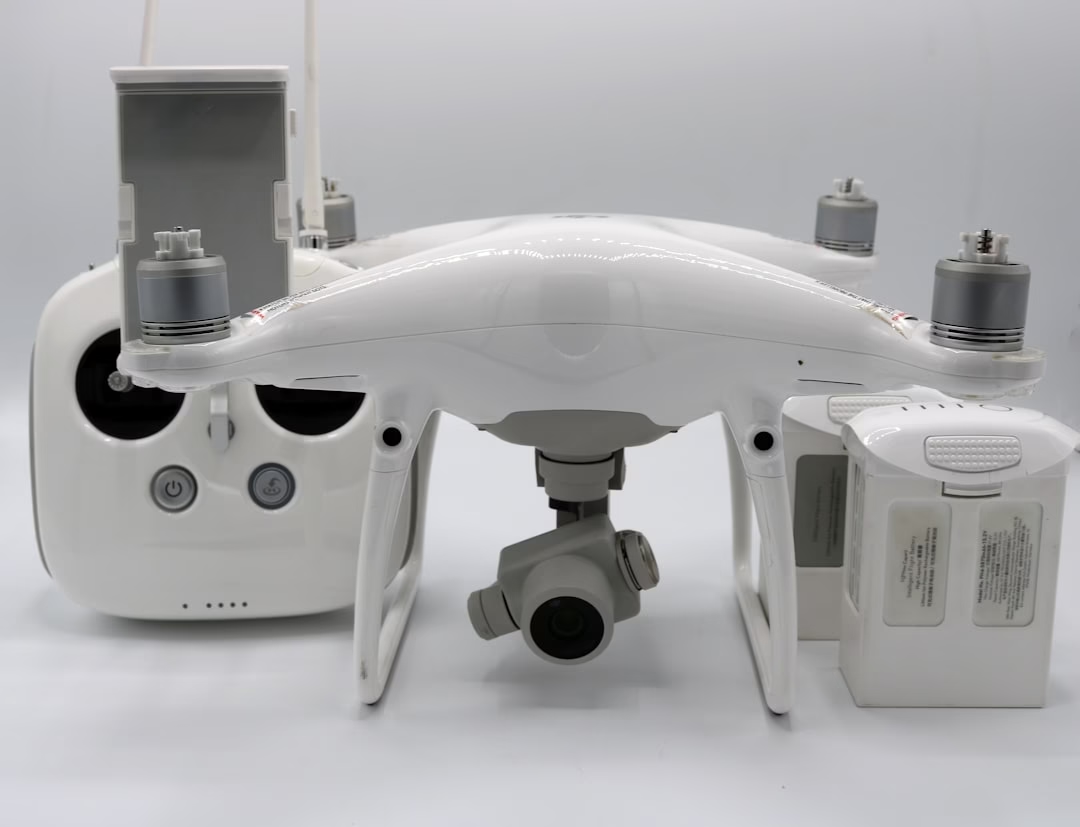
Drone delivery medical equipment involves using unmanned aerial vehicles (UAVs) to transport healthcare supplies. This method is particularly transformative for time-sensitive and remote scenarios. For instance, delivering a ResMed AirSense 11 CPAP machine to a new patient quickly can ensure uninterrupted therapy from day one. The UAE’s regulatory framework, guided by the Dubai Health Authority healthcare guidelines and the General Civil Aviation Authority (GCAA), ensures these operations are safe and secure. Furthermore, these drones are equipped with advanced navigation and climate-controlled compartments. As a result, sensitive items remain effective during transit. This system is not just about convenience; it’s a strategic enhancement to the national healthcare infrastructure.
Benefits of Aerial Medical Logistics
The advantages of using drones for medical logistics are profound. Primarily, they overcome terrestrial challenges like traffic congestion. This leads to dramatically faster delivery times for critical items. For example, a portable Inogen One G5 portable oxygen concentrator can reach a patient in a remote area within minutes, not hours. Additionally, this method reduces the carbon footprint associated with traditional vehicle delivery. According to the World Health Organization respiratory health guidelines, rapid access to medical devices is a key factor in managing chronic conditions. Moreover, drones provide a contactless delivery option, which is vital during infectious disease outbreaks. They ensure that essential care continues without interruption, safeguarding public health.
Drone Delivery Medical Equipment Features
Modern medical delivery drones are engineered with specific features for reliability. They possess robust GPS and obstacle avoidance systems for precise navigation. Importantly, their payload compartments are often temperature-stabilized. This is essential for medications and sensitive devices like the ResMed AirMini compact CPAP. Furthermore, they feature secure locking mechanisms and real-time tracking. This allows both the provider and the patient to monitor the shipment. The UAE Ministry of Health medical standards influence the design of these features to ensure compliance. Battery life and range are continuously improved, enabling longer flights to serve wider areas effectively and reliably.
UAV Medical Supply Specifications
The technical specifications of these UAVs are tailored for medical missions. Payload capacity typically ranges to carry several kilograms, enough for multiple units of equipment or urgent pharmaceuticals. Flight autonomy can cover significant distances on a single charge. This makes them ideal for connecting healthcare hubs with outlying communities. Drones used for transporting a device like the ResMed Astral 150 ventilator must meet stringent safety and reliability checks. These specifications are vetted against UAE government healthcare regulations. Compliance ensures that every flight is conducted with the highest regard for patient safety and data security, building trust in the technology.
Expert Medical Advice?
Setup and Operational Maintenance
Implementing a drone delivery system requires careful planning and ongoing maintenance. Initially, flight paths must be mapped and approved by aviation authorities. Then, integration with existing healthcare supply chains is essential. For a clinic offering a ResMed AirFit F30i mask, this means seamless order-to-delivery workflows. Regular maintenance of the drones is non-negotiable for safety. This includes battery checks, software updates, and hardware inspections. The Health Authority Abu Dhabi regulations provide a framework for operational standards. Consequently, a dedicated team is needed to manage logistics, monitor fleet health, and ensure continuous, reliable service for patients.
Drone Delivery Medical Equipment Advantages
The strategic advantages of drone delivery medical equipment are multi-faceted. Most importantly, it saves lives by slashing emergency response times. It also enhances the quality of life for patients with mobility issues or those living in remote locations. Economically, it can lower long-term logistics costs for the healthcare system. This model supports the UAE’s ambition to be a leader in smart healthcare technology. For a company like Oxydubai, it means we can serve our 10,000+ patients with even greater efficiency and care. Ultimately, this technology creates a more resilient and responsive healthcare ecosystem for everyone.
Common Questions and Concerns
Many people have questions about this new technology. A frequent concern is security and privacy during transport. However, drones are equipped with encryption and secure delivery protocols to protect shipments. Another question involves weather limitations. While adverse conditions can affect flights, advanced drones are built to handle various weather scenarios. People also wonder about the cost-effectiveness. Initially, the investment is significant, but the long-term benefits in saved time and lives are substantial. For any specific inquiries about integrating this with your medical equipment, you can always contact our respiratory specialists for personalized advice.
Expert Recommendations and Future Outlook
Industry experts recommend a phased approach to adopting drone delivery. Starting with pilot programs in controlled environments is a common first step. Collaboration between technology firms, healthcare providers, and regulators is key to success. The future outlook is incredibly promising, with research focused on increasing payloads and automating distribution centers. As the technology matures, we can expect drone delivery to become a standard part of medical logistics. This will further empower patients to manage their health from the comfort of their homes, supported by reliable, rapid delivery of essential equipment and supplies.
Frequently Asked Questions
Is drone delivery for medical equipment currently available across the UAE? It is primarily in the pilot program phase, with ongoing testing and regulatory refinement.
What types of medical supplies can drones carry? They can transport lightweight, critical items like medications, portable oxygen concentrators, and CPAP machines.
How does drone delivery medical equipment ensure safety? Safety is ensured through rigorous regulations, advanced navigation technology, and secure, tamper-proof containers.
Are drone deliveries affected by bad weather? Yes, severe weather can lead to delays, but flight planning systems are designed to minimize these risks.
What is the cost comparison to traditional delivery methods? Initially higher, but it offers potential long-term savings through efficiency and faster delivery times.
Who regulates these drone delivery services in the UAE? The GCAA, in collaboration with health authorities like the DHA and MOH, oversees and regulates all operations.
In conclusion, the integration of drone technology into medical logistics is a game-changer for the UAE. It aligns perfectly with the nation’s vision for a smart and future-ready healthcare system. The potential for drone delivery medical equipment to provide rapid, reliable access to life-saving supplies is immense. As pilot programs evolve into standard practice, patients can look forward to a new era of convenience and safety. This progress ensures that critical support, from emergency ventilators to routine CPAP supplies, is only a short flight away. The future of healthcare delivery is arriving from the sky, and it promises a healthier, more connected society for all.

