

Gut-Lung Axis Research – Complete Guide
Introduction
Managing respiratory conditions in UAE? Understanding gut-lung axis research could transform your approach to lung health. This groundbreaking field reveals how your digestive system directly influences respiratory function. Consequently, it opens new possibilities for managing conditions like asthma, COPD, and respiratory infections.
The gut-lung axis represents a bidirectional communication network. Essentially, your gut microbiota communicates with your lungs through immune pathways. Therefore, balancing gut health can significantly impact respiratory outcomes. Moreover, this connection explains why digestive issues often accompany respiratory problems.
In the UAE’s unique climate, respiratory challenges require innovative solutions. Fortunately, gut-lung axis research offers promising approaches. At Oxydubai, trusted by 10,000+ UAE patients with premium respiratory equipment and products, we integrate this knowledge into comprehensive care strategies.
Need Respiratory Solutions?
Understanding Gut-Lung Axis Research
Gut-lung axis research examines how gut microbiota affects lung immunity. Specifically, it explores microbial communication pathways between these distant organs. This research reveals that gut bacteria produce metabolites influencing lung inflammation. Furthermore, these metabolites travel through the bloodstream to reach lung tissues.
The immune system serves as the primary communication channel. Importantly, gut bacteria train immune cells that later migrate to the lungs. Consequently, a healthy gut microbiome supports appropriate immune responses in respiratory tissues. However, dysbiosis (gut imbalance) can trigger excessive inflammation in the lungs.
Research shows specific mechanisms driving this connection. Short-chain fatty acids from fiber fermentation reduce lung inflammation. Meanwhile, gut-derived immune cells help combat respiratory pathogens. Understanding these pathways helps optimize both gut and lung health through targeted interventions.
Proper respiratory support, like the ResMed AirSense 11 CPAP machine, combined with gut health strategies creates comprehensive care. Additionally, the World Health Organization respiratory health guidelines emphasize integrated approaches to respiratory management.
Benefits of Microbial Connection
The gut-lung connection offers numerous health advantages. Primarily, it enhances immune regulation throughout the body. A balanced gut microbiome reduces systemic inflammation. Therefore, it helps prevent excessive immune responses in the lungs.
Another significant benefit involves infection resistance. Gut-trained immune cells provide better protection against respiratory viruses and bacteria. Moreover, specific gut bacteria produce antiviral compounds that reach the lungs. This cross-protection proves particularly valuable during flu season.
Chronic respiratory conditions show remarkable improvement with gut health optimization. Asthma patients experience reduced symptom frequency and severity. Similarly, COPD progression may slow with proper microbial balance. These benefits complement traditional respiratory therapies effectively.
Portable oxygen therapy devices like the Inogen One G5 portable oxygen concentrator support active lifestyles while gut health strategies work internally. The UAE Ministry of Health medical standards recognize the importance of comprehensive respiratory care.
Gut-Lung Axis Research Features
Gut-lung axis research features several groundbreaking discoveries. Most notably, it identifies specific bacterial strains that benefit lung function. Certain Lactobacillus and Bifidobacterium species demonstrate particular promise. These strains modulate immune responses in respiratory tissues.
Another key feature involves metabolite identification. Researchers have pinpointed specific short-chain fatty acids with lung-protective properties. Butyrate, propionate, and acetate show significant anti-inflammatory effects. Consequently, increasing their production through diet improves respiratory outcomes.
The timing of microbial interventions represents another crucial aspect. Early life gut colonization profoundly influences lifelong respiratory health. However, adult interventions still provide substantial benefits. This research highlights windows of opportunity for maximum impact.
Modern respiratory devices like the ResMed AirMini compact CPAP integrate seamlessly with lifestyle approaches supported by gut-lung research. The Dubai Health Authority healthcare guidelines increasingly acknowledge these connections.
Expert Medical Advice?
Microbial Connection Specifications
The gut-lung axis operates through precise biological specifications. Immune cell migration follows specific chemokine signals. These chemical messengers guide gut-trained cells to respiratory tissues. Understanding these pathways enables targeted therapeutic approaches.
Metabolite transport occurs through particular biological systems. Short-chain fatty acids utilize specific transporters in gut and lung cells. Their concentration gradients determine movement efficiency. Therefore, optimizing these systems enhances communication effectiveness.
Neural connections complement immune pathways. The vagus nerve transmits signals between gut and lungs. This direct neural communication provides rapid response capabilities. Consequently, gut changes can immediately affect breathing patterns.
Advanced respiratory support from devices like the ResMed Astral 150 ventilator works alongside these natural communication systems. The Health Authority Abu Dhabi regulations ensure medical devices meet stringent safety standards while supporting holistic health approaches.
Setup & Maintenance
Implementing gut-lung health strategies requires proper setup. Begin with dietary modifications emphasizing fiber-rich foods. These provide substrates for beneficial gut bacteria. Subsequently, introduce fermented foods containing natural probiotics.
Probiotic supplementation represents another key component. Choose strains with documented respiratory benefits. Lactobacillus rhamnosus GG and Bifidobacterium animalis show particular promise. However, consistency proves more important than high doses.
Maintenance involves ongoing dietary diversity. Regularly consume various plant foods to support microbial diversity. Additionally, manage stress levels since stress negatively impacts gut ecology. Furthermore, adequate sleep supports microbial balance and immune function.
Proper respiratory device maintenance, like correctly fitting the ResMed AirFit F30i mask, complements gut health efforts. The UAE government healthcare regulations support integrated approaches to respiratory wellness.
Gut-Lung Axis Research Advantages
Gut-lung axis research advantages extend across multiple health domains. Primarily, it offers non-invasive approaches to respiratory support. Dietary and probiotic interventions avoid pharmaceutical side effects. Meanwhile, they provide systemic benefits beyond respiratory improvement.
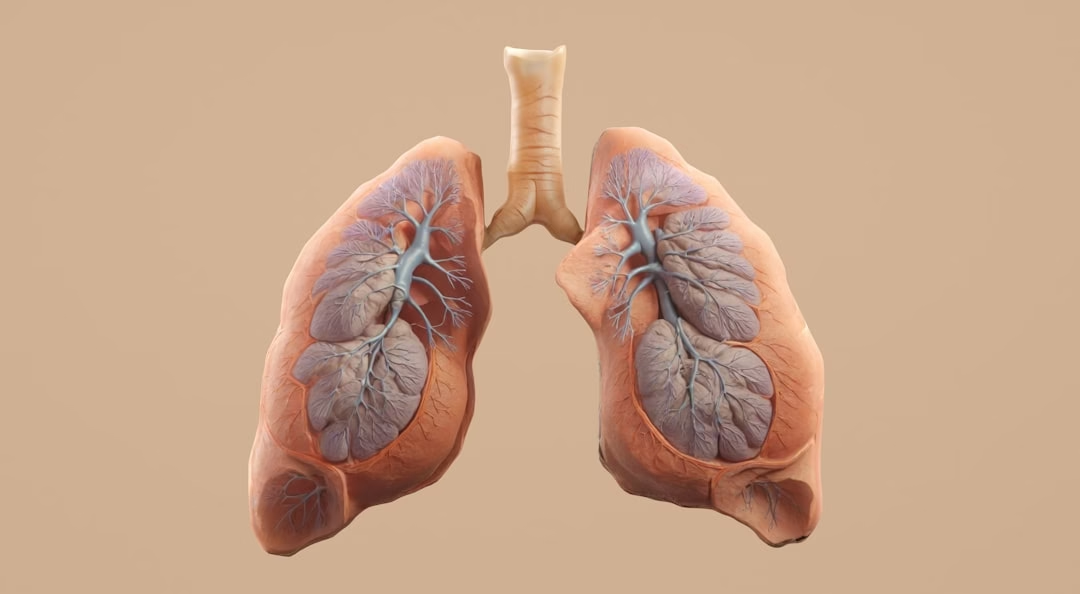
Another advantage involves prevention potential. Optimizing gut health can reduce respiratory infection risk. This proves particularly valuable for vulnerable populations. Additionally, it may decrease allergy and asthma development in children.
The personalized nature of microbial interventions represents another benefit. Gut microbiome testing enables tailored probiotic and dietary recommendations. Consequently, individuals receive optimized strategies for their unique microbial profile.
Combining these advantages with reliable respiratory equipment and products creates comprehensive respiratory care. Our specialists at Oxydubai can help integrate these approaches effectively.
Common Questions
How quickly do gut changes affect lung function? Initial changes may appear within weeks. However, significant microbial restructuring requires consistent effort over months. Meanwhile, some immune modulation occurs relatively quickly.
Can gut-lung axis research help with COVID-19 recovery? Emerging evidence suggests gut health influences COVID-19 outcomes. Specifically, balanced microbiota may reduce severe inflammation. Therefore, probiotic interventions show promise for recovery support.
Are all probiotics equally effective for respiratory health? No, strain specificity matters significantly. Certain Lactobacillus and Bifidobacterium strains demonstrate better respiratory benefits. Always choose researched strains for respiratory applications.
What role does gut-lung axis research play in asthma management? It offers complementary approaches to reduce inflammation and medication needs. However, it should complement rather than replace standard asthma treatments.
Can children benefit from gut-lung approaches? Absolutely. Early life represents a critical window for immune programming. Pediatric interventions may have lifelong benefits for respiratory health.
How does diet specifically influence gut-lung axis research outcomes? Dietary fiber produces short-chain fatty acids that reduce lung inflammation. Meanwhile, diverse plant foods support microbial diversity essential for immune regulation.
For personalized guidance regarding respiratory equipment that complements these strategies, contact our respiratory specialists.
Expert Recommendations
Medical experts recommend integrated approaches to respiratory health. Begin with comprehensive dietary assessment and modification. Increase fiber intake gradually to support microbial diversity. Additionally, include fermented foods daily for natural probiotic intake.
Probiotic supplementation should target specific respiratory benefits. Choose products containing researched strains with documented immune effects. Furthermore, consider prebiotics to support existing beneficial bacteria.
Lifestyle factors significantly influence gut-lung communication. Regular physical activity enhances microbial diversity and lung function. Meanwhile, stress management techniques support healthy gut ecology. Additionally, prioritize sleep quality for optimal immune function.
Combine these strategies with appropriate respiratory support equipment. Modern devices offer sophisticated features while supporting overall wellness. Regular monitoring ensures optimal results from integrated approaches.
Frequently Asked Questions
What is the gut-lung axis research timeline for seeing results? Most people notice initial changes within 2-4 weeks. However, significant microbial restructuring requires 3-6 months of consistent effort.
Can I use probiotics with my respiratory medications? Generally yes, but consult your physician about specific interactions. Probiotics typically complement rather than interfere with respiratory medications.
How does climate affect gut-lung axis function? Extreme temperatures and humidity influence respiratory function and microbial balance. Therefore, environmental adaptations may be necessary in certain climates.
Are there specific tests for gut-lung axis health? Microbiome analysis provides insights into gut ecology. Meanwhile, inflammatory markers and immune function tests offer additional information.
What foods most benefit the gut-lung connection? Diverse plant foods, fermented foods, and omega-3 rich foods show particular promise for supporting this connection.
How does gut-lung axis research impact sleep apnea management? Reduced systemic inflammation may improve sleep quality and respiratory stability during sleep, complementing CPAP therapy.
Conclusion
Gut-lung axis research revolutionizes our understanding of respiratory health. This fascinating connection reveals how gut ecology directly influences lung function. Consequently, it opens new avenues for prevention and management of respiratory conditions.
Practical applications include dietary modifications, probiotic interventions, and lifestyle adjustments. These approaches complement traditional respiratory therapies effectively. Moreover, they offer systemic benefits beyond respiratory improvement.
Integrating gut health strategies with appropriate respiratory equipment creates comprehensive care. At Oxydubai, we support this integrated approach to respiratory wellness. Our expertise in both equipment and emerging research helps patients achieve optimal results.
The future of respiratory care undoubtedly includes greater attention to gut-lung axis research. As evidence accumulates, these connections will become standard in respiratory management protocols. Therefore, embracing these insights today positions patients for better long-term outcomes.
For assistance selecting respiratory equipment that complements gut health strategies, explore our respiratory equipment and products or contact our respiratory specialists for personalized guidance.

