

Ventilators Support CO₂ Removal – Complete Guide
Introduction
Managing respiratory conditions in UAE? Understanding how ventilators support CO₂ removal is crucial. These life-saving machines perform a vital function: they assist or completely take over breathing for patients whose lungs are failing. Consequently, they ensure critical carbon dioxide (CO₂) is expelled from the bloodstream. This process prevents respiratory acidosis, a dangerous condition. In the UAE’s diverse climate, respiratory support needs are significant. Therefore, access to reliable technology is essential.
Modern ventilators use precise pressure and volume control. They actively remove CO₂ by facilitating proper gas exchange in the lungs. This medical intervention supports patients with COPD, severe pneumonia, or post-surgical recovery. Moreover, it is vital for acute respiratory distress syndrome (ARDS). At Oxydubai, trusted by 10,000+ UAE patients, we provide premium respiratory equipment and products. Our expertise ensures you receive the correct support for effective CO₂ management.
Need Respiratory Solutions?
Understanding Ventilators Support CO₂ Removal
To grasp how ventilators support CO₂ removal, consider basic physiology. Normally, lungs inhale oxygen and exhale carbon dioxide. However, when lungs fail, CO₂ accumulates. This buildup becomes toxic. Ventilators solve this by mechanically moving air in and out. They create the necessary pressure gradients for exhalation. Specifically, the machine delivers a breath (inspiration) and then allows passive or active exhalation.
During exhalation, CO₂ is carried out of the body. Modern devices, like the BMC BPAP G2S B25VT/B30VT ventilator, offer sophisticated modes. These modes tailor the breath to optimize CO₂ clearance. Furthermore, settings like respiratory rate and tidal volume are calibrated by specialists. This precision ensures efficient gas exchange. Ultimately, the primary goal is maintaining normal blood pH by regulating CO₂ levels.
Benefits of Mechanical Ventilation
Mechanical ventilation offers multiple systemic benefits. First, it rests fatigued respiratory muscles. Patients with chronic conditions often struggle to breathe effectively. Therefore, the machine assumes the work of breathing. Second, it ensures adequate oxygenation while removing CO₂. This dual action stabilizes the patient’s condition. Third, it allows for precise control of blood chemistry. Clinicians can adjust settings based on arterial blood gas results.
Additionally, ventilation supports healing. For instance, it lets the body focus energy on recovery rather than labored breathing. In the UAE, adhering to UAE Ministry of Health medical standards is paramount. Using approved equipment guarantees safety and efficacy. Devices like the Philips DreamStation Auto BiPAP machine provide these therapeutic benefits reliably. They are designed for both hospital and home use.
Ventilators Support CO₂ Removal Features
Key features enable ventilators to support CO₂ removal effectively. Modern units have adjustable positive end-expiratory pressure (PEEP). PEEP keeps alveoli open, improving gas exchange. Another critical feature is pressure support. This aids spontaneous breaths, ensuring complete exhalation. Moreover, built-in monitoring displays real-time CO₂ levels (capnography). This data allows for immediate adjustments.
Advanced models include leak compensation and sophisticated alarms. For example, the Philips DreamStation BiPAP ST machine offers backup rates. These features ensure therapy continues if a patient’s effort decreases. Consequently, CO₂ removal remains consistent. Compatibility with various ResMed AirFit F30i full face mask options also enhances comfort and seal. A proper seal is fundamental for effective pressure delivery and CO₂ elimination.
Mechanical Ventilation Specifications
Technical specifications dictate a ventilator’s capability. Crucially, pressure range and breath delivery modes matter. Devices must deliver precise tidal volumes, typically 50-2000 mL. Additionally, they should offer a wide respiratory rate range. Oxygen blending capabilities are also vital. These specs ensure the machine can match patient needs from pediatric to adult.
Compliance with international and local regulations is non-negotiable. Equipment should meet World Health Organization respiratory health guidelines. In the UAE, devices must align with Dubai Health Authority healthcare guidelines. The Philips Respironics DreamStation Auto CPAP, while often for sleep apnea, shares core pressure technology with ventilators. Understanding these specs helps in selecting the right device for CO₂ management.
Expert Medical Advice?
Setup and Maintenance
Correct setup ensures ventilators support CO₂ removal optimally. Initially, a clinical assessment determines the required settings. Then, the circuit and mask are connected securely. Humidification is often added to prevent airway dryness. Regular maintenance is equally critical. Circuits and filters must be changed as per manufacturer guidelines. This prevents infections and ensures performance.
Battery checks and software updates are also part of routine care. In the UAE, service partners must follow Health Authority Abu Dhabi regulations. At Oxydubai, we provide comprehensive support for devices like the BMC Resmart G2S A20 Auto CPAP machine. Proper maintenance guarantees reliability and extends the device’s lifespan, ensuring continuous therapeutic efficacy.
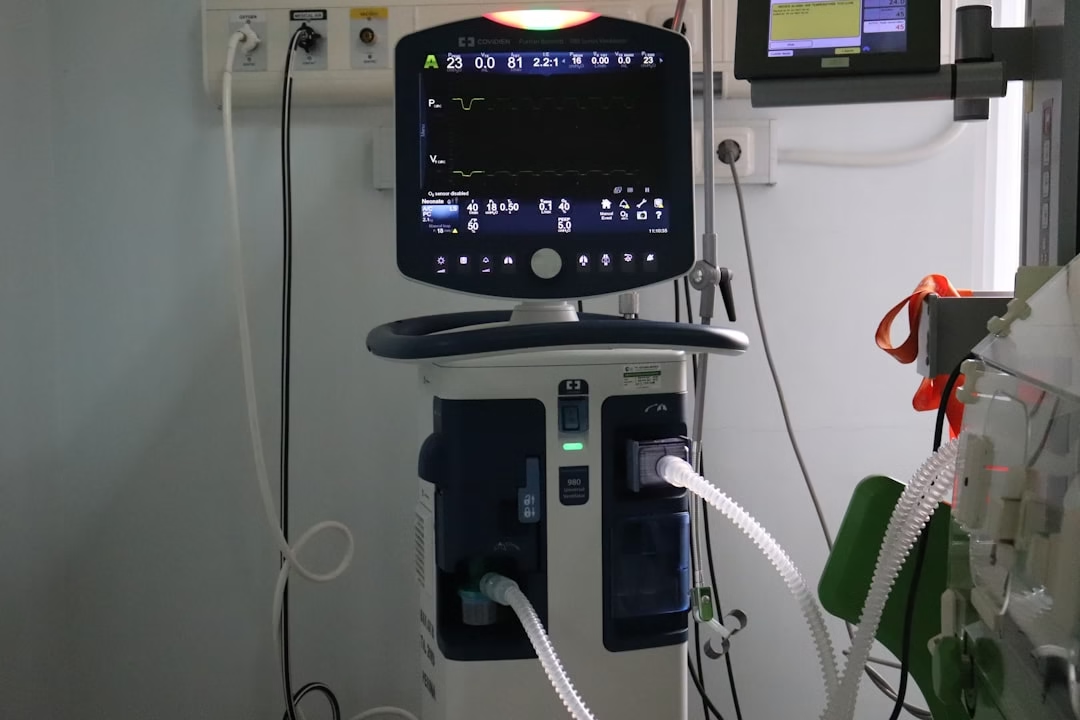
Ventilators Support CO₂ Removal Advantages
The primary advantage is life support during respiratory failure. Ventilators support CO₂ removal, which is a cornerstone of critical care. They provide precise control unattainable through manual means. Another advantage is versatility. They can be used in ICUs, during transport, or at home. This flexibility supports long-term management of chronic conditions.
Furthermore, modern ventilators integrate with monitoring systems. This allows for telehealth applications, a growing need in the UAE. Patients can remain at home while their data is reviewed remotely. Devices like the Inogen One G5 portable oxygen concentrator often complement ventilation therapy. Together, they manage both oxygenation and CO₂ clearance effectively. Following UAE government healthcare regulations ensures these advantages are realized safely.
Common Questions
Many patients ask about the difference between a ventilator and a CPAP. Essentially, CPAP provides constant pressure to keep airways open. However, a ventilator provides full mechanical breaths. Another common question involves weaning. The process is gradual and monitored closely with blood gas tests. Patients also inquire about comfort. Modern interfaces and pressure algorithms significantly improve patient-ventilator synchrony.
Noise level is another frequent concern. Today’s devices are remarkably quiet. Finally, people ask about power requirements. Units have battery backup for power outages, which is essential for continuous care. For all technical and usage questions, you can always contact our respiratory specialists. We provide clear guidance tailored to your specific situation and local standards.
Expert Recommendations
Experts recommend a thorough patient-ventilator assessment before setup. The choice of mode (e.g., Volume Control, Pressure Support) should match the disease pathology. Regular monitoring of blood gases is mandatory to adjust settings. Additionally, experts emphasize the importance of multidisciplinary care. Respiratory therapists, doctors, and nurses should collaborate.
For home ventilation, training for caregivers is essential. They must recognize alarm signals and know basic troubleshooting. In the UAE, choosing a supplier with strong clinical support is advised. Oxydubai offers this comprehensive service. We ensure you understand how your equipment works to manage CO₂. Ultimately, the goal is safe and effective respiratory support that improves quality of life.
Frequently Asked Questions
How do ventilators remove CO₂ from the body? They mechanically move air into the lungs, then allow exhalation where CO₂ is expelled. Settings control the rate and depth of breaths to optimize removal.
Can ventilators be used at home? Yes, many modern ventilators are designed for home use. They require proper setup and caregiver training.
What is the difference between BiPAP and a ventilator? BiPAP provides two pressure levels but is often used for non-invasive support. Full ventilators offer more modes and can provide complete breathing support.
How are ventilator settings adjusted for CO₂ removal? Settings like respiratory rate and tidal volume are increased to enhance CO₂ elimination, based on blood gas analysis.
What maintenance does a ventilator need? Daily circuit checks, regular filter changes, and software updates are standard. Professional servicing is recommended annually.
How do ventilators support CO₂ removal in COPD patients? They assist weakened respiratory muscles, ensure full exhalation to prevent “air trapping,” and precisely control ventilation to normalize blood CO₂ levels.
Conclusion
Understanding how ventilators support CO₂ removal is vital for managing severe respiratory conditions. These devices are engineering marvels that sustain life by performing the essential work of breathing. They precisely control gas exchange to prevent CO₂ buildup. In the UAE’s advanced healthcare landscape, accessing this technology is straightforward with reputable providers.
Choosing the right equipment, like the advanced models from Oxydubai, ensures effective therapy. Proper setup, maintenance, and expert support are key to success. If you or a loved one requires respiratory support, remember that effective CO₂ management is possible. Explore our range of respiratory equipment and products or contact our respiratory specialists for personalized advice. Ultimately, the correct ventilator can dramatically improve health outcomes and quality of life.