

BiPAP Therapy Severe Sleep Apnea – Complete Guide
Looking for sleep apnea solutions? Severe obstructive sleep apnea (OSA) demands a powerful therapeutic approach. Consequently, BiPAP therapy for severe sleep apnea has become a cornerstone of treatment. This advanced form of positive airway pressure (PAP) therapy offers distinct advantages for patients with high pressure needs or complex breathing patterns. In the UAE’s diverse climate, managing respiratory health requires reliable, high-performance equipment. At Oxydubai, trusted by 10,000+ UAE patients, we provide premium respiratory equipment and products to support your journey to restful sleep.
Need Respiratory Solutions?
Understanding BiPAP Therapy Severe Sleep Apnea
BiPAP, or Bilevel Positive Airway Pressure, is a non-invasive ventilation therapy. Specifically, it delivers two distinct pressure levels: a higher pressure for inhalation (IPAP) and a lower pressure for exhalation (EPAP). This dual-pressure system is crucial for severe obstructive sleep apnea. Patients often struggle with high continuous pressure from standard CPAP machines. Therefore, BiPAP makes breathing out against the pressure much easier and more comfortable. This therapy is frequently prescribed when CPAP proves insufficient or intolerable. Moreover, it is vital for patients with certain comorbidities. Adherence to World Health Organization respiratory health guidelines ensures treatment efficacy and safety.
Severe OSA is diagnosed when a sleep study shows an Apnea-Hypopnea Index (AHI) of 30 or more events per hour. This indicates frequent breathing pauses during sleep. As a result, oxygen levels drop and sleep is severely fragmented. BiPAP therapy for severe sleep apnea effectively keeps the airway open throughout the breathing cycle. Devices like the Philips DreamStation Auto BiPAP machine automatically adjust these pressures. This ensures optimal therapy as your needs change night to night. Ultimately, this understanding is the first step toward reclaiming your sleep and health.
Benefits of Advanced Bilevel Treatment
Choosing bilevel treatment offers multiple clinical and comfort benefits. First, it significantly improves therapy adherence for severe OSA patients. The lower exhalation pressure reduces feelings of suffocation and claustrophobia. Consequently, patients are more likely to use the device consistently throughout the night. Furthermore, BiPAP provides better ventilation support. This is essential for patients who may also have shallow breathing or require higher pressure settings. Improved adherence directly leads to better health outcomes like reduced daytime fatigue.
Another major benefit is enhanced cardiovascular protection. Severe sleep apnea strains the heart and increases blood pressure. Effective BiPAP therapy alleviates this strain. Therefore, it lowers the risk of hypertension, atrial fibrillation, and heart failure. Additionally, patients experience profound improvements in sleep quality and cognitive function. They report better concentration, mood, and overall quality of life. For those needing mobility, pairing therapy with a device like the Inogen One G5 portable oxygen concentrator can be part of a comprehensive respiratory care plan. Compliance with UAE Ministry of Health medical standards guarantees that all equipment meets rigorous safety and efficacy benchmarks.
BiPAP Therapy Severe Sleep Apnea Features
Modern BiPAP machines come packed with patient-centric features. A core feature is the pressure relief technology. This makes exhalation feel more natural and less restrictive. Additionally, advanced models include auto-adjusting algorithms. These algorithms monitor breathing and adjust pressures in real-time. For example, the Philips DreamStation BiPAP ST machine offers a spontaneous/timed mode. This mode ensures a backup breath rate if the patient’s effort becomes too weak.
Integrated heated humidifiers are another critical feature. They prevent airway dryness and irritation, which is common in the UAE’s air-conditioned environments. Moreover, sophisticated data tracking is standard. Machines record usage hours, AHI, leak rates, and other metrics. This data is vital for clinicians to remotely monitor progress. Furthermore, quiet operation and portability features enhance the user experience. Devices connect to apps for easy data access on smartphones. These features collectively make BiPAP therapy for severe sleep apnea more effective and user-friendly. They empower patients to take an active role in managing their health.
Expert Medical Advice?
Bilevel Device Specifications and Selection
Selecting the right device requires understanding key specifications. Pressure range is paramount. Most BiPAP devices for OSA offer an IPAP range from 4 to 25 or 30 cm H2O. The EPAP range is similarly important. Additionally, consider the machine’s modes: CPAP, S (Spontaneous), S/T (Spontaneous/Timed), and sometimes AVAPS. For complex cases, a device like the BMC BPAP G2S B25VT/B30VT ventilator offers robust S/T mode with high pressure support.
Other specifications include ramp time, which allows pressure to start low and gradually increase. Also, check the data reporting capabilities and connectivity options. The device should comply with regional regulations. In the UAE, all medical devices must align with Dubai Health Authority healthcare guidelines and Health Authority Abu Dhabi regulations. Finally, consider the power supply compatibility and battery backup options. Consulting with a specialist ensures the specifications match the patient’s specific prescription and lifestyle needs. This careful selection process is crucial for long-term therapy success.
Setup and Maintenance for Optimal Therapy
Proper setup is the foundation of effective treatment. First, position the device on a stable, level surface near the bed. Then, connect the air tubing to the machine and to a compatible mask, such as the ResMed AirFit F30i full face mask. Next, fill the humidifier chamber with distilled water to prevent mineral buildup. After that, plug the device into a surge-protected power outlet. Finally, follow the clinician’s prescribed pressure settings. Most modern devices have intuitive menus for this setup.
Routine maintenance is equally important for hygiene and performance. Daily, wipe the mask cushion and clean the humidifier chamber with mild soap. Weekly, wash the air tubing, headgear, and chamber in warm, soapy water. Additionally, replace filters as recommended, often monthly or quarterly. Regularly check for air leaks in the tubing and connections. Furthermore, schedule an annual device check-up with your provider. This ensures all components function correctly. Consequently, consistent maintenance prolongs device life and ensures therapeutic efficacy. It also prevents infections and promotes overall respiratory health.
BiPAP Therapy Severe Sleep Apnea Advantages
The advantages of this therapy over standard CPAP are significant. Primarily, it offers superior treatment for complex and severe cases. Patients who cannot tolerate high constant pressure find immediate relief with BiPAP. Therefore, it directly addresses one of the main causes of CPAP failure. Another advantage is its versatility. BiPAP can treat not only OSA but also central sleep apneas and hypoventilation syndromes. This makes it a comprehensive solution for complex sleep-disordered breathing.
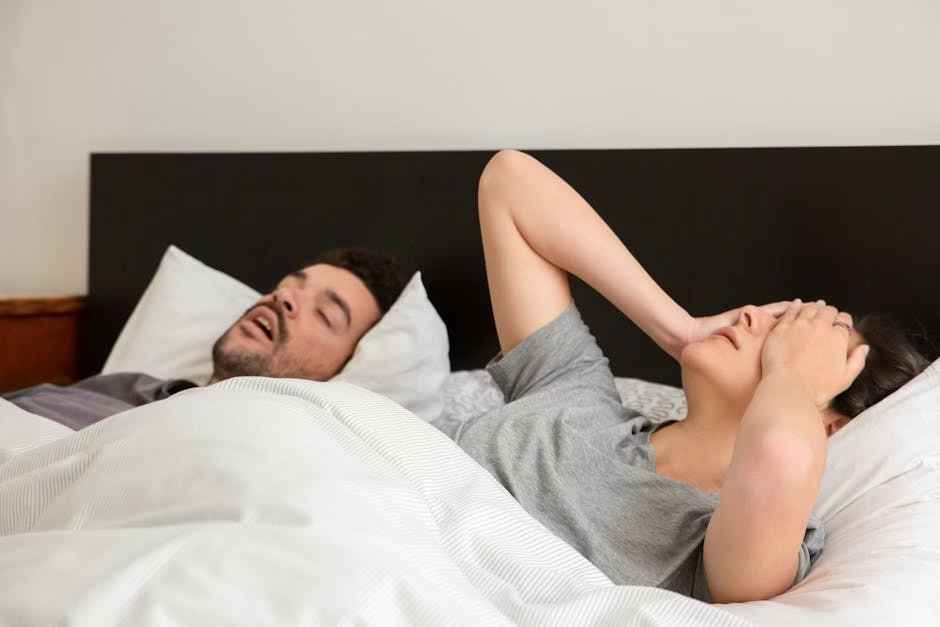
Moreover, technological integration provides a major advantage. Data from the device allows for precise therapy optimization. Clinicians can make informed adjustments based on detailed reports. Additionally, the comfort advantage cannot be overstated. Improved comfort leads to longer, more consistent use. This consistent use is what drives the clinical benefits: reduced AHI, improved oxygenation, and restorative sleep. For patients considering alternatives, comparing with an BMC Resmart G2S A20 Auto CPAP machine or a Philips Respironics DreamStation Auto CPAP can highlight the specific benefits of bilevel pressure. Ultimately, these advantages translate into a better quality of life and long-term health protection.
Common Questions About Bilevel Treatment
Patients often have questions when starting this therapy. A frequent question is about the noise level. Modern BiPAP machines are very quiet, often operating below 30 decibels. Another common concern is travel. Most devices are travel-friendly with universal voltage compatibility. However, always check with your airline regarding in-flight use. Many patients also ask about cleaning products. Use only mild, non-perfumed soap and water. Harsh chemicals can damage equipment and irritate airways.
People wonder about the difference between BiPAP and a ventilator. While BiPAP is a form of non-invasive ventilation, it is typically used for sleep apnea. Full ventilators are for more critical respiratory failure. Another question involves power outages. Having a battery backup is advisable, especially in regions with unreliable power. Finally, many ask about insurance coverage. In the UAE, coverage depends on your insurer and policy. Always consult your provider and ensure your device supplier complies with UAE government healthcare regulations. For personalized answers, contact our respiratory specialists directly.
Expert Recommendations for Therapy Success
Experts emphasize a patient-centered approach for success. First, ensure a proper mask fit through professional fitting. A leaking mask can undermine even the best therapy. Second, use the ramp feature consistently. This allows you to fall asleep more comfortably as pressures increase gradually. Third, be patient during the adaptation period. It can take several weeks to feel fully comfortable with the therapy. Consistency is more important than perfection in the early stages.
Furthermore, experts recommend regular follow-ups with your sleep specialist. Share your device data during these appointments. This allows for fine-tuning of pressure settings and other parameters. Additionally, integrate therapy into a holistic health plan. This includes weight management, sleep hygiene, and avoiding alcohol before bed. Also, keep a sleep diary to note patterns and improvements. Finally, choose a reputable supplier for equipment and ongoing support. Access to knowledgeable professionals ensures you can troubleshoot issues quickly. Following these expert recommendations maximizes the benefits of your treatment journey.
Frequently Asked Questions (FAQ)
Q: Is BiPAP therapy for severe sleep apnea the same as using a ventilator?
A: Not exactly. BiPAP is a non-invasive ventilation therapy primarily for sleep disorders. Meanwhile, mechanical ventilators are often for invasive, life-support in intensive care.
Q: How long does it take to feel better after starting BiPAP?
A: Many patients notice improved sleep quality within a few nights. However, significant daytime energy improvements may take 2-4 weeks of consistent use.
Q: Can I travel with my BiPAP machine?
A: Yes. Most devices are portable. Inform your airline in advance. Also, carry a doctor’s note and ensure you have the correct power adapters.
Q: Will my insurance cover the cost of a BiPAP machine?
A: Coverage varies. Many UAE insurance plans cover it with a valid prescription and sleep study report. Always check with your provider for specific policy details.
Q: What should I do if I experience dryness or congestion?
A: Use the integrated heated humidifier. Adjusting the temperature and humidity settings can often resolve this issue completely.
Q: How often should I replace my BiPAP mask and supplies?
A: Masks cushions last 3-6 months, tubing 3 months, and filters 1-3 months. Regular replacement is crucial for hygiene and performance. Browse replacement parts in our respiratory equipment and products catalog.
Conclusion
In summary, BiPAP therapy for severe sleep apnea is a highly effective and comfortable treatment option. It addresses the limitations of standard CPAP for patients with high pressure needs or intolerance. The dual-pressure system supports natural breathing, improves adherence, and delivers superior clinical outcomes. From understanding its operation to selecting the right device and maintaining it properly, each step is vital for success. In the UAE, having access to reliable equipment and expert guidance makes managing severe OSA achievable.
Ultimately, committing to this therapy can transform your health and well-being. It reduces cardiovascular risks, boosts daytime energy, and restores restful sleep. If you or a loved one is struggling with severe obstructive sleep apnea, exploring bilevel therapy is a critical next step. For more information and to view a range of clinically-approved devices, contact our respiratory specialists today. Take control of your sleep and breathe easier every night.

