Smart Homes Aging Medical Needs – Complete Guide
Managing respiratory conditions in UAE? Smart homes for aging medical needs offer revolutionary solutions. These integrated systems provide safety, independence, and continuous health monitoring for seniors with chronic conditions. Consequently, they reduce hospital visits and improve quality of life. In the UAE’s evolving healthcare landscape, this technology bridges critical care gaps. For instance, remote monitoring allows doctors to track patient health data in real-time. Therefore, families gain peace of mind knowing their loved ones are protected.
Modern smart home systems combine environmental sensors with medical alert devices. They create a seamless safety net for vulnerable individuals. Meanwhile, voice-activated controls ensure accessibility for those with mobility challenges. The UAE government actively promotes digital health initiatives, aligning with these advancements. At Oxydubai, trusted by 10,000+ UAE patients with premium respiratory equipment and products.
Need Respiratory Solutions?
Understanding Smart Homes Aging Medical Needs
Smart homes for aging medical needs represent a technological ecosystem. They integrate medical devices with home automation for comprehensive care. Essentially, these systems monitor health vitals while controlling the living environment. For example, a ResMed AirSense 11 CPAP machine can connect to smart home hubs. This allows caregivers to monitor sleep therapy compliance remotely.
The core components include environmental controls and health monitoring devices. Additionally, emergency response systems provide immediate assistance during crises. According to World Health Organization respiratory health guidelines, such integrated approaches significantly improve chronic disease management. Furthermore, UAE healthcare regulations support these innovations for home-based care. These systems particularly benefit individuals requiring continuous oxygen therapy or ventilation support.
Benefits of Integrated Care Systems
Integrated care systems offer multiple advantages for elderly patients. First, they enable real-time health monitoring through connected devices. For instance, a Inogen One G5 portable oxygen concentrator can transmit usage data to healthcare providers. Consequently, doctors can adjust treatment plans based on accurate usage patterns.
Another significant benefit is enhanced safety through automated alerts. Fall detection sensors immediately notify family members or emergency services. Meanwhile, environmental controls maintain optimal conditions for respiratory health. The UAE Ministry of Health medical standards recognize the importance of such preventive measures. Therefore, these systems reduce emergency incidents and hospital admissions substantially.
Smart Homes Aging Medical Needs Features
Smart homes for aging medical needs incorporate several essential features. Voice assistant integration allows hands-free control of medical equipment. For example, patients can adjust bed positions or call for help using simple voice commands. Similarly, automated medication dispensers ensure timely dosage administration. These features are particularly crucial for individuals with mobility limitations or memory issues.
Environmental monitoring includes air quality sensors and temperature controls. Moreover, security systems with video monitoring provide additional safety layers. According to Dubai Health Authority healthcare guidelines, proper environmental control is vital for respiratory patients. A ResMed Astral 150 ventilator integrated into this ecosystem ensures comprehensive respiratory support.
Technology System Specifications
Modern care systems require specific technical specifications for optimal performance. Connectivity standards like Wi-Fi 6 and Bluetooth 5.0 ensure reliable device communication. Additionally, battery backup systems guarantee operation during power outages. These specifications are crucial for life-sustaining equipment like oxygen concentrators and ventilators.
Data security protocols protect sensitive health information from breaches. Furthermore, interoperability between different manufacturers’ devices ensures comprehensive coverage. The Health Authority Abu Dhabi regulations mandate strict data protection for medical devices. For example, a ResMed AirMini compact CPAP must comply with these security standards while transmitting sleep data.
Expert Medical Advice?
Setup and Maintenance Procedures
Proper setup begins with a comprehensive assessment of patient needs. Professional installers position sensors and devices for maximum effectiveness. Subsequently, they integrate medical equipment like ResMed AirFit F30i mask with the smart home system. This ensures seamless data flow between therapeutic devices and monitoring platforms.
Regular maintenance includes software updates and device calibration. Moreover, battery replacements and sensor testing maintain system reliability. According to UAE government healthcare regulations, medical equipment requires periodic certification. Therefore, professional maintenance services ensure continuous compliance and optimal performance.
Smart Homes Aging Medical Needs Advantages
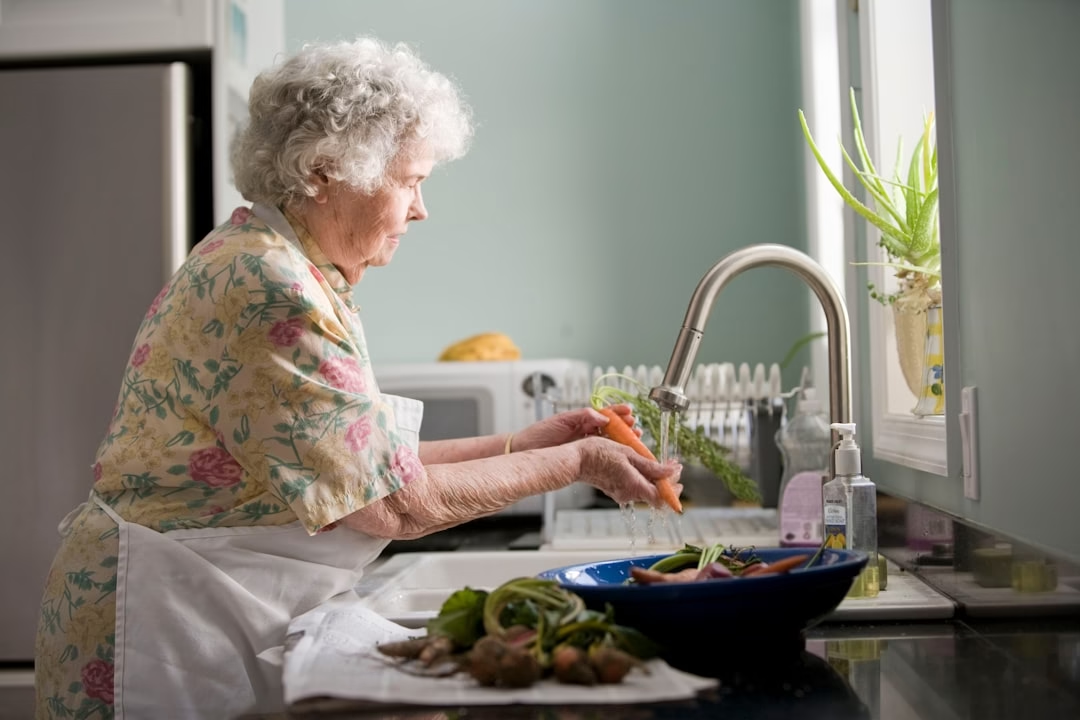
Smart homes for aging medical needs provide significant healthcare advantages. They reduce caregiver burden through automation and remote monitoring. Consequently, family members can maintain employment while ensuring loved ones’ safety. Additionally, these systems promote patient independence and dignity. Patients can control their environment without constant assistance.
From a clinical perspective, continuous data collection enables proactive interventions. For example, trends in oxygen saturation levels might indicate necessary treatment adjustments. The respiratory equipment and products integrated into these systems provide valuable therapeutic data. Therefore, healthcare providers can make informed decisions based on comprehensive information.
Common Installation Questions
Many families have questions about implementing these systems. How compatible are existing medical devices with smart home technology? Most modern medical equipment features connectivity options. However, older devices might require adapters or replacement. Professional assessment determines the best approach for integration.
What about internet reliability concerns? Systems typically include cellular backup for critical functions. Additionally, local storage preserves data during connectivity issues. Are these systems difficult for seniors to operate? Voice controls and automated routines minimize required technical knowledge. Furthermore, remote management allows family members to assist with complex tasks.
Expert Implementation Recommendations
Healthcare professionals recommend phased implementation approaches. Start with essential safety features like fall detection and emergency response. Then gradually add environmental controls and health monitoring. This staged approach allows patients to adapt comfortably to the technology. Moreover, it spreads financial investment over time.
Choose devices certified for medical use in the UAE market. Additionally, select systems with expandability for future needs. Professional installation ensures optimal sensor placement and system integration. For personalized advice, contact our respiratory specialists. They can assess specific requirements and recommend appropriate solutions.
Frequently Asked Questions
How reliable are fall detection systems? Modern systems use advanced algorithms with over 95% accuracy. They combine motion analysis with impact detection.
Can voice assistants operate during power outages? Most systems include battery backup for critical functions. However, extended outages might affect non-essential features.
Are these systems compatible with oxygen concentrators? Yes, most modern concentrators feature connectivity options. For example, the Inogen One G5 portable oxygen concentrator integrates seamlessly.
What about privacy concerns with monitoring? Systems use encryption and secure data transmission. Additionally, patients control monitoring permissions and data sharing.
How do smart homes for aging medical needs handle emergencies? Systems automatically alert designated contacts and services. They also provide location information and medical details.
What maintenance do these systems require? Regular software updates and occasional sensor replacement. Professional servicing ensures continued reliability.
Conclusion
Smart home technology revolutionizes elderly care with medical requirements. These integrated systems provide safety, independence, and improved health outcomes. Consequently, they represent a sustainable solution for aging populations. The UAE’s advanced healthcare infrastructure supports widespread adoption. Therefore, families can confidently choose these solutions for their loved ones.
Implementation requires careful planning and professional installation. However, the benefits significantly outweigh the initial investment. From fall prevention to respiratory management, comprehensive coverage ensures peace of mind. For those exploring smart homes for aging medical needs, Oxydubai offers expert guidance and premium equipment. Ultimately, this technology enables dignified aging while maintaining necessary medical support.