

Lung Tissue Engineering Guide – Research & Tech
Introduction
Looking for sleep apnea solutions? Modern medicine now explores lung tissue engineering. This revolutionary field promises to transform respiratory care. Consequently, patients with chronic lung diseases may soon access groundbreaking treatments. The UAE healthcare sector actively monitors these developments. Meanwhile, effective management of respiratory conditions remains crucial.
Regenerative medicine approaches show remarkable potential. They aim to repair or replace damaged lung tissue. This represents a significant leap beyond traditional symptom management. Researchers worldwide are making substantial progress. Their work could eventually reduce dependency on conventional respiratory devices.
At Oxydubai, we support respiratory health with advanced technology. Trusted by 10,000+ UAE patients, we provide premium respiratory equipment and products. Our commitment extends to educating patients about emerging treatments. We believe informed patients make better health decisions.
Lung tissue engineering combines biology with engineering principles. It addresses the critical shortage of donor lungs. Furthermore, it offers personalized treatment possibilities. The field encompasses various innovative approaches. These include bioprinting and sophisticated scaffold designs.
Need Respiratory Solutions?
Understanding Lung Tissue Engineering
Lung tissue engineering represents a medical frontier. It focuses on creating functional lung tissue. This process typically involves three key components. First, scaffolds provide structural support. Second, cells form the living tissue. Third, biological factors guide development.
Researchers face unique challenges with lung tissue. The organ’s complex structure includes over 40 cell types. Additionally, the air-blood interface presents engineering difficulties. Despite these challenges, progress continues steadily. Recent advances show particular promise.
The field benefits from multiple technological advances. For instance, 3D bioprinting enables precise cell placement. Similarly, new biomaterials create better scaffolds. These developments accelerate research progress significantly. They also improve potential clinical applications.
Patients using devices like the ResMed AirSense 11 CPAP machine represent potential future beneficiaries. Engineering functional lung tissue could eventually reduce device dependency. However, this remains a long-term goal.
Benefits of Regenerative Respiratory Medicine
Regenerative approaches offer multiple advantages. Primarily, they address underlying tissue damage. This contrasts with conventional management of symptoms. Potential benefits include reduced transplant waiting lists. Additionally, personalized treatments become possible.
Patients might experience improved quality of life. Engineered tissues could integrate seamlessly with native organs. Consequently, they may function more naturally than mechanical devices. This represents a fundamental shift in treatment philosophy.
The economic implications are equally significant. Chronic respiratory diseases impose substantial healthcare costs. Regenerative treatments could reduce long-term expenses. However, initial treatment costs might be high. The World Health Organization respiratory health guidelines emphasize innovative solutions for chronic diseases.
Current respiratory devices remain essential during research phases. The Inogen One G5 portable oxygen concentrator provides reliable mobile therapy. Such devices maintain patient health while research continues.
Lung Tissue Engineering Features
Several distinctive features characterize this field. Scaffold design represents a critical aspect. Modern scaffolds are biodegradable and biocompatible. They provide temporary structure until cells establish their own matrix. Furthermore, they incorporate signaling molecules to guide cell behavior.
Cell sourcing presents another important feature. Researchers explore various cell types including stem cells. Patient-specific cells reduce rejection risks. This personalized approach aligns with modern medicine trends. It also addresses ethical concerns about cell sources.
Vascularization capability proves essential for success. Engineered tissues require blood supply for survival. Recent techniques create pre-vascularized constructs. These developments improve integration with host tissues. They represent significant engineering achievements.
The UAE Ministry of Health medical standards ensure patient safety in emerging treatments. Meanwhile, devices like the ResMed AirMini compact CPAP provide essential current care.
Regenerative Medicine Specifications
Technical specifications vary between approaches. Scaffold pore size typically ranges from 50-300 micrometers. This allows cell migration and nutrient diffusion. Mechanical properties must match native lung tissue. Otherwise, the engineered construct may fail functionally.
Cell density requirements depend on the specific application. Generally, researchers aim for physiological cell concentrations. This ensures proper tissue function after implantation. Cell viability standards exceed 90% in successful experiments. These specifications ensure therapeutic effectiveness.
Sterility requirements match surgical standards. Any contamination could compromise the entire construct. Additionally, manufacturing processes must maintain consistency. Regulatory bodies provide detailed guidelines for these specifications.
The Dubai Health Authority healthcare guidelines address emerging medical technologies. Patients can consult these resources for safety information. Current respiratory support from devices like the ResMed Astral 150 ventilator follows established safety protocols.
Expert Medical Advice?
Setup and Maintenance Considerations
Laboratory setup requires specialized equipment. Cleanroom facilities are essential for tissue culture. Bioreactors maintain optimal growth conditions. These devices simulate physiological environments. They provide mechanical stimulation similar to breathing motions.
Quality control processes ensure consistent results. Regular testing verifies scaffold properties. Similarly, cell characteristics undergo frequent assessment. These procedures maintain high standards throughout development. They also provide data for regulatory submissions.
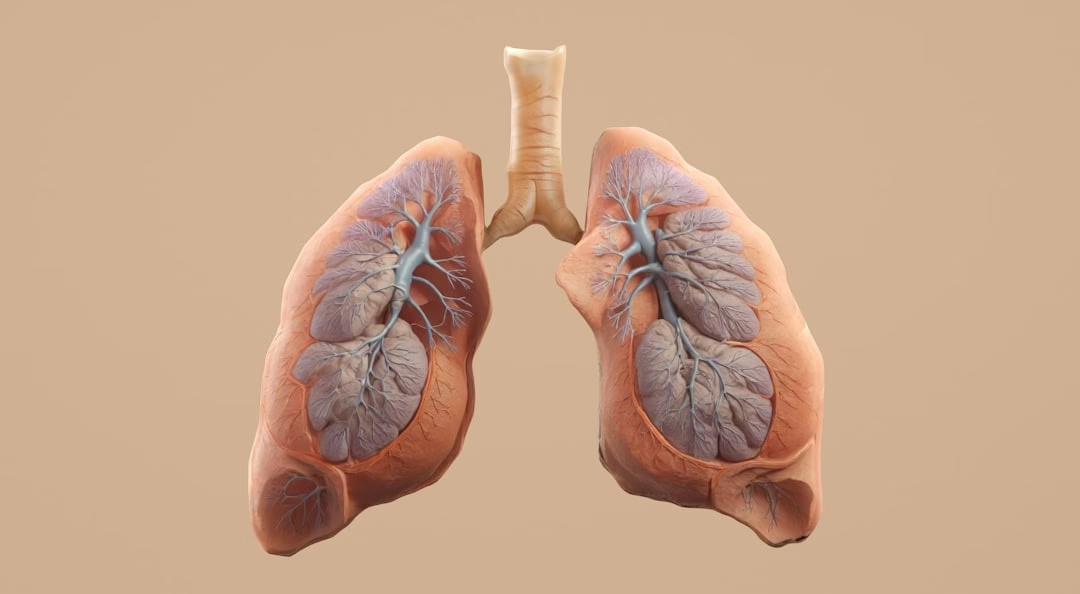
Long-term maintenance involves different considerations. Engineered tissues require monitoring after implantation. Imaging techniques track integration with host tissues. Functional assessments measure gas exchange efficiency. These evaluations determine treatment success.
Current respiratory device maintenance remains straightforward. For example, the ResMed AirFit F30i mask requires simple cleaning routines. Such devices provide reliable performance with proper care.
Lung Tissue Engineering Advantages
This approach offers multiple advantages over alternatives. Reduced transplant rejection risk represents a major benefit. Patient-specific cells minimize immune responses. This eliminates the need for harsh immunosuppressive drugs. Consequently, patients experience fewer side effects.
Unlimited tissue availability presents another advantage. Donor organ shortages currently limit transplantation. Engineered tissues could overcome this limitation. This could save countless lives worldwide. It represents a paradigm shift in organ availability.
Functional integration occurs more naturally than with mechanical devices. Engineered tissues develop vascular connections with host organs. They also participate in physiological regulation. This represents a significant improvement over external devices.
The Health Authority Abu Dhabi regulations ensure proper evaluation of new treatments. Meanwhile, conventional respiratory devices provide proven therapy. Patients should discuss all options with their healthcare providers.
Common Questions Answered
Many patients wonder about treatment timelines. Currently, lung tissue engineering remains experimental. Clinical applications are likely years away. However, research progress continues accelerating. Initial human trials might begin within this decade.
Safety concerns naturally arise with new technologies. Researchers address these through rigorous testing. Animal studies precede human trials. Multiple regulatory bodies oversee this process. Patient safety remains the highest priority.
Cost considerations are equally important. Initially, engineered tissues will likely be expensive. However, costs should decrease as technologies mature. This pattern has occurred with other medical advances.
Insurance coverage questions are common. Currently, most insurers cover conventional respiratory devices. The UAE government healthcare regulations guide coverage decisions. Patients should verify coverage before treatment.
Expert Recommendations and Insights
Medical professionals emphasize cautious optimism. Lung tissue engineering shows tremendous potential. However, conventional treatments remain essential currently. Patients should maintain their prescribed therapies. They should also discuss new developments with their doctors.
Research investment continues growing globally. Both public and private sectors fund development. This accelerates progress toward clinical applications. The UAE actively participates in medical research advancement. National initiatives support healthcare innovation.
Patients should seek information from reliable sources. Medical institutions and regulatory bodies provide accurate updates. Avoid sensationalized claims about immediate availability. Realistic expectations prevent disappointment and ensure appropriate care.
For current respiratory needs, contact our respiratory specialists. We provide expert guidance on available technologies. Our team stays informed about medical advancements. We help patients navigate their treatment options.
Frequently Asked Questions
What current technologies support lung tissue engineering research?
Advanced bioreactors and 3D bioprinters are essential. These technologies enable precise tissue construction.
How does lung tissue engineering differ from transplantation?
Engineering creates new tissues rather than using donor organs. This avoids rejection issues and shortage problems.
What respiratory conditions might benefit from engineered tissues?
COPD, pulmonary fibrosis, and cystic fibrosis are primary targets. These conditions involve progressive tissue damage.
Are there ethical concerns with tissue engineering?
Researchers address ethical considerations carefully. Patient consent and cell sourcing receive particular attention.
What role does lung tissue engineering play in respiratory care?
It represents potential future treatment rather than current therapy. Conventional devices remain necessary during research phases.
How can patients access current respiratory support devices?
Reliable providers offer various respiratory equipment and products. These devices maintain quality of life while research continues.
Conclusion
Lung tissue engineering represents medical innovation at its finest. This field combines multiple scientific disciplines. It addresses fundamental healthcare challenges. The potential benefits for respiratory patients are enormous. However, realization of this potential requires continued research.
Current respiratory therapies remain essential. Devices like oxygen concentrators and CPAP machines save lives daily. They bridge the gap until regenerative treatments become available. Patients should maintain their prescribed therapies consistently.
The future of respiratory care looks promising. Advances in lung tissue engineering may eventually transform treatment paradigms. Meanwhile, existing technologies continue improving. Patients benefit from this dual approach to innovation.
Staying informed helps patients make better decisions. Reliable information sources include healthcare providers and regulatory bodies. The field progresses steadily toward clinical applications. Lung tissue engineering could redefine respiratory medicine.