

Oxygen Therapy Diabetic Foot Ulcers – Complete Guide
Searching for oxygen therapy equipment? Managing complex diabetic foot ulcers requires advanced solutions. Consequently, supplemental oxygen therapy has emerged as a critical adjunct to standard wound care. This approach significantly enhances tissue oxygenation, promoting faster healing. In the UAE, with its high prevalence of diabetes, effective home-care protocols are essential. Therefore, understanding and implementing oxygen therapy for diabetic foot ulcers can drastically improve patient outcomes and quality of life.
Diabetic foot ulcers are a severe complication, often leading to prolonged suffering and amputation risk. However, specialized oxygen therapy protocols can change this trajectory. By delivering concentrated oxygen directly to the wound bed, these protocols fight infection and stimulate cellular repair. The World Health Organization respiratory health guidelines emphasize the importance of advanced oxygen delivery for chronic conditions. In the UAE context, having access to the right equipment is the first step.
At Oxydubai, trusted by 10,000+ UAE patients, we provide premium respiratory equipment and products. Our range supports this vital home-care protocol. From stationary concentrators for continuous therapy to portable units for mobility, we equip patients for success. This guide details a comprehensive home-care protocol for using oxygen therapy on diabetic foot ulcers.
Need Respiratory Solutions?
Understanding Oxygen Therapy Diabetic Foot Ulcers
Oxygen therapy for diabetic foot ulcers involves the topical or systemic administration of oxygen. The primary goal is to elevate oxygen levels in the wound tissue. Hypoxia, or low oxygen, is a common barrier to healing in diabetic wounds. Therefore, supplemental oxygen directly addresses this core issue. This therapy enhances fibroblast proliferation, collagen synthesis, and angiogenesis. Moreover, it boosts the immune system’s ability to fight bacteria.
A structured home-care protocol is vital for safety and efficacy. Patients must follow prescribed flow rates and session durations meticulously. Typically, this involves using a device like an oxygen concentrator with a specialized wound cover. The UAE Ministry of Health medical standards recommend medical supervision for such treatments. Consequently, working with a healthcare provider to establish a personalized plan is crucial. Reliable equipment forms the foundation of this plan.
For consistent home therapy, a robust stationary concentrator is often recommended. Devices like the ResMed Astral 150 ventilator offer precise oxygen delivery for various needs. Understanding your specific oxygen therapy diabetic foot ulcers protocol is the first step toward healing.
Benefits of Topical Oxygen Treatment
Topical oxygen treatment offers numerous advantages for stubborn wounds. First, it directly saturates the wound bed, bypassing circulatory limitations common in diabetes. This direct application accelerates granulation tissue formation. Additionally, it creates an environment hostile to anaerobic bacteria, reducing infection risk. Patients often experience reduced pain and exudate as the wound begins to close.
Another significant benefit is the potential to avoid hospitalization. With a proper home protocol, patients can manage their ulcers effectively at home. This promotes independence and reduces healthcare costs. Furthermore, improved healing rates directly lower the risk of amputations. The psychological benefit of seeing tangible progress cannot be overstated. It motivates patients to adhere to their overall diabetes management plan.
To achieve these benefits, the right interface is key. A comfortable, sealed dressing system is required to contain the oxygen. For instance, combining therapy with a well-fitted mask system for concurrent sleep apnea treatment can be efficient. Explore options like the ResMed AirFit F30i mask for integrated care solutions.
Oxygen Therapy Diabetic Foot Ulcers Features
Effective oxygen therapy for diabetic foot ulcers relies on specific device features. Firstly, adjustable flow rate control is non-negotiable. Protocols typically require low, continuous flows measured in liters per minute (LPM). Secondly, consistent oxygen purity (93% ± 3%) is critical for therapeutic effect. Devices must maintain this purity regardless of flow rate. Moreover, quiet operation is essential for comfortable, prolonged home use.
Portability features also enhance quality of life. A patient may need to move around the home during treatment. Therefore, units with wheels or lightweight designs are advantageous. Battery backup is another crucial feature, ensuring therapy continues during power interruptions. This is aligned with Dubai Health Authority healthcare guidelines for patient safety in home care. Alarms for low oxygen purity or power failure provide additional security.
Modern concentrators, like the Inogen One G5 portable oxygen concentrator, embody these features. They deliver reliable oxygen therapy for diabetic foot ulcers with the flexibility patients need. Understanding these features helps in selecting the right equipment for your protocol.
Expert Medical Advice?
Treatment Protocol Specifications
A standard home-care protocol has precise specifications. Treatment duration usually ranges from 90 minutes to 4 hours per day. This schedule may be split into multiple sessions. The oxygen flow rate is typically set between 5-10 LPM for topical applications. However, a physician must prescribe the exact parameters. Importantly, the wound must be properly debrided and dressed before oxygen application.
The protocol integrates with other wound care steps. For example, maintaining optimal blood glucose control is paramount. Similarly, off-loading pressure from the ulcer site remains essential. The oxygen therapy complements these measures; it does not replace them. Compliance with Health Authority Abu Dhabi regulations ensures all medical devices used are approved and safe. Regular monitoring of the wound by a healthcare professional is also specified to adjust the protocol as needed.
Using a device known for reliability, such as the ResMed AirSense 11 CPAP machine for related respiratory support, underscores the importance of quality equipment. Precise specifications lead to predictable, positive outcomes.
Setup & Maintenance
Correct setup ensures therapy effectiveness and safety. Begin by placing the concentrator in a well-ventilated area, away from walls and heat sources. Next, connect the oxygen tubing to the device outlet and to the specialized wound enclosure. Then, power on the unit and set the flow rate as prescribed. Finally, position the enclosure securely over the dressed wound to create a seal.
Daily maintenance is straightforward but vital. Wipe the exterior with a damp cloth and check the air intake filter for dust. Most filters are washable and should be cleaned weekly. Additionally, inspect tubing for kinks or damage regularly. Schedule professional servicing annually, as per manufacturer guidelines and UAE government healthcare regulations. This ensures consistent performance and longevity of your equipment.
For travelers or those seeking ultra-compact solutions, a device like the ResMed AirMini compact CPAP demonstrates how advanced technology can be maintained easily. Simple, consistent care keeps your oxygen therapy system running optimally.
Oxygen Therapy Diabetic Foot Ulcers Advantages
The advantages of a dedicated oxygen therapy protocol for diabetic foot ulcers are compelling. Primarily, it directly targets the pathophysiology of impaired healing. This results in faster wound closure rates compared to standard care alone. Subsequently, it reduces the emotional and financial burden of chronic wounds. Another key advantage is the non-invasive nature of the treatment when applied topically.
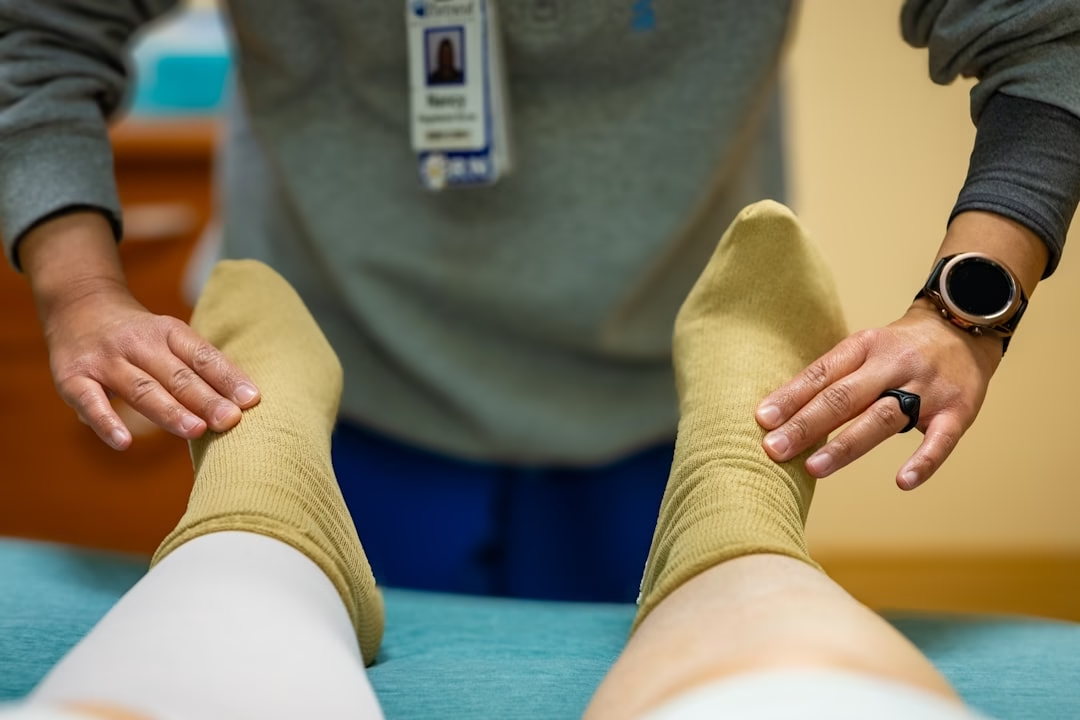
Furthermore, it empowers patients to take an active role in their recovery. Home-based care improves adherence and comfort. Economically, it can decrease the need for expensive advanced wound dressings or growth factors over time. Importantly, it aligns with holistic diabetes management strategies. By improving healing, it prevents complications that could exacerbate other health issues.
Accessing these advantages starts with reliable equipment from a trusted supplier. Explore our full range of respiratory equipment and products to find the right solution. The advantages of pursuing oxygen therapy for diabetic foot ulcers make it a cornerstone of modern wound management.
Common Questions
Is this therapy safe to use at home? Yes, with proper training and medical supervision, it is very safe. Always follow the prescribed protocol and device instructions.
How soon will I see results? Improvements can often be seen within 2-4 weeks of consistent therapy. However, healing times vary based on ulcer size and patient health.
Can I use portable oxygen concentrators for this? Yes, portable units like the Inogen G5 are suitable, provided they deliver the prescribed continuous flow rate for the required duration.
Does insurance cover this treatment? Coverage varies. Check with your provider and our team for guidance on navigating insurance in the UAE.
What are the contraindications? Therapy is generally avoided on untreated infections or certain types of wounds. Your doctor will conduct a full assessment.
How does oxygen therapy for diabetic foot ulcers integrate with other treatments? It is an adjunct therapy. You must continue all other wound care, diabetes medications, and pressure off-loading as directed.
Expert Recommendations
Medical experts emphasize a multidisciplinary approach. Your endocrinologist, podiatrist, and wound care nurse should collaborate on your plan. They recommend starting oxygen therapy early for chronic ulcers that show no improvement after 4 weeks of standard care. Consistency is repeatedly highlighted as the most critical factor for success. Do not skip sessions, even if the wound looks better.
Experts also stress the importance of device quality. Investing in a medically approved, reliable oxygen concentrator from a reputable supplier is crucial. Additionally, maintaining a treatment log with notes on wound appearance and any issues is highly beneficial. This log helps your medical team make informed adjustments. For comprehensive respiratory support, consider integrating your wound care with sleep apnea management using devices like the ResMed AirSense 11 CPAP machine.
Finally, do not hesitate to seek support. For personalized advice on implementing this protocol, contact our respiratory specialists. We can help you select the ideal equipment and connect you with clinical resources.
Frequently Asked Questions (FAQ)
Q1: What is the typical duration for a home oxygen therapy session for a foot ulcer?
A: Sessions typically last 90 minutes to 4 hours daily, often divided. Your doctor will specify the exact duration.
Q2: Can I be mobile during treatment?
A: Yes, with a portable concentrator and long tubing, you can move around your home. However, avoid pulling on the wound enclosure.
Q3: Are there any side effects of topical oxygen therapy?
A: Side effects are rare. Some patients report mild skin irritation from the dressing. The therapy itself is generally well-tolerated.
Q4: How do I clean the equipment used for oxygen therapy diabetic foot ulcers?
A: Clean the external surface and filter as per the manual. The wound enclosure and dedicated tubing should be cleaned or replaced as directed to prevent infection.
Q5: Will this treatment interfere with my other medications?
A: No, topical oxygen therapy does not interact with medications. However, always inform your doctor of all treatments you are using.
Q6: Where can I buy approved oxygen therapy equipment in the UAE?
A: Oxydubai supplies medically approved equipment across the UAE. Visit our online shop or contact us for assistance.
Conclusion
Implementing a home-care protocol for oxygen therapy diabetic foot ulcers represents a significant advancement in wound management. This approach directly addresses the hypoxia that impedes healing, offering hope and better outcomes for patients. By following a structured protocol with the right equipment, healing rates can improve dramatically. Consequently, the risk of severe complications like amputation decreases.
Success hinges on patient education, consistent therapy, and high-quality medical equipment. In the UAE, with robust healthcare standards and access to advanced technology, patients are well-positioned to benefit. Remember, this therapy is part of a comprehensive care plan that includes glycemic control, proper nutrition, and regular foot care.
If you or a loved one is struggling with a non-healing diabetic foot ulcer, explore this option with your healthcare team. For guidance on selecting the perfect oxygen concentrator or related respiratory equipment and products, our experts at Oxydubai are here to help. Take the next step toward healing today.