

Diabetes Sleep Apnea UAE Link – Complete Guide
Looking for sleep apnea solutions? Understanding the diabetes sleep apnea UAE link is crucial for effective management. This bidirectional relationship significantly impacts public health. Consequently, untreated sleep apnea can worsen blood sugar control. Meanwhile, diabetes can increase the risk of developing sleep-disordered breathing. In the UAE, with high diabetes prevalence, this connection demands attention. Therefore, recognizing symptoms early leads to better outcomes. Medical benefits of treating both conditions simultaneously are substantial. For instance, CPAP therapy can improve insulin sensitivity. Moreover, proper diabetes management can reduce sleep apnea severity.
The UAE’s unique demographic and lifestyle factors amplify this health challenge. Specifically, the high prevalence of Type 2 diabetes creates a larger at-risk population. Additionally, cultural factors may delay diagnosis of sleep disorders. However, increased awareness is changing this trend. The UAE Ministry of Health emphasizes integrated care for chronic diseases. As a result, screening for sleep apnea in diabetic patients is becoming standard. At Oxydubai, trusted by 10,000+ UAE patients, we provide premium respiratory equipment and products to support this vital care.
Need Respiratory Solutions?
Understanding Diabetes Sleep Apnea UAE Link
The diabetes sleep apnea UAE link describes a powerful two-way street. Essentially, each condition fuels the other in a harmful cycle. Obstructive Sleep Apnea (OSA) causes repeated breathing pauses during sleep. These pauses lead to oxygen drops and sleep fragmentation. Consequently, the body experiences stress and releases cortisol. This stress hormone promotes insulin resistance. Therefore, blood sugar levels become harder to control.
Conversely, diabetes can damage nerves and muscles. This includes those controlling the upper airway. As a result, the airway becomes more collapsible during sleep. Furthermore, obesity is a major shared risk factor in the UAE. The World Health Organization respiratory health guidelines highlight this metabolic syndrome cluster. In the UAE context, genetic predispositions and modern lifestyles intersect. For treatment, devices like the ResMed AirSense 11 CPAP machine are foundational. Ultimately, breaking this cycle requires a dual-focused treatment approach.
Benefits of Treating Both Conditions
Addressing the diabetes-OSA connection yields profound health improvements. First, effective CPAP therapy enhances sleep quality dramatically. Subsequently, patients experience reduced daytime fatigue and better concentration. Moreover, studies show improved insulin sensitivity with regular CPAP use. This can lead to lower HbA1c levels and reduced medication needs. Additionally, treating sleep apnea lowers cardiovascular strain. Therefore, it reduces risks of hypertension and heart disease.
Simultaneously, better glycemic control can lessen OSA severity. Weight management, a cornerstone of diabetes care, also helps. For example, even modest weight loss can improve airway patency. The Dubai Health Authority healthcare guidelines advocate for this holistic management. Patients using a Inogen One G5 portable oxygen concentrator for related respiratory issues also see benefits. Finally, overall quality of life and energy levels soar. This creates a positive feedback loop for sustained health.
Diabetes Sleep Apnea UAE Link Features
Key features define the diabetes sleep apnea UAE link in the local population. Primarily, the high prevalence of Type 2 diabetes sets the stage. Specifically, over 15% of the UAE adult population has diabetes. This creates a large pool of individuals at risk for OSA. Another feature is the common presentation of central obesity. This fat distribution particularly impacts airway anatomy. Furthermore, cultural nuances around snoring and sleep exist. Often, these symptoms are not reported as medical concerns.
Diagnostic patterns also show unique features. For instance, younger patients are increasingly being diagnosed. Additionally, there is a strong correlation with other metabolic conditions. The Health Authority Abu Dhabi regulations ensure screening protocols are in place. Treatment adherence, however, can be affected by climate. For example, using a ResMed AirMini compact CPAP is beneficial for travel in the region. Understanding these features guides effective public health strategies.
Clinical Management Specifications
Clinical management requires precise specifications and protocols. Initially, screening every diabetic patient for OSA is essential. Standard tools include the STOP-BANG questionnaire or the Berlin questionnaire. Following a positive screen, a diagnostic sleep study is warranted. This can be an in-lab polysomnography or a home sleep test. Subsequently, treatment specifications must be personalized. CPAP pressure settings, for example, are titrated based on severity.
Moreover, diabetes management must be concurrently optimized. Regular endocrinology consultations are crucial. The UAE government healthcare regulations support such multidisciplinary clinics. For complex cases, devices like the ResMed Astral 150 ventilator may be specified. Furthermore, follow-up specifications include regular HbA1c checks and sleep study repeats. Adherence tracking via CPAP smart data is also a key component. This data-driven approach ensures both conditions are kept in check.
Expert Medical Advice?
Setup and Maintenance for Patients
Proper setup and maintenance are pillars of successful treatment. Initially, a certified sleep technician should set up the CPAP device. They will ensure the mask fits correctly to prevent leaks. Furthermore, they will explain the humidifier settings for UAE’s dry climate. Daily maintenance includes cleaning the mask cushion and water chamber. Weekly, the tubing and headgear should be washed gently. Importantly, filters must be checked and replaced regularly due to dust.
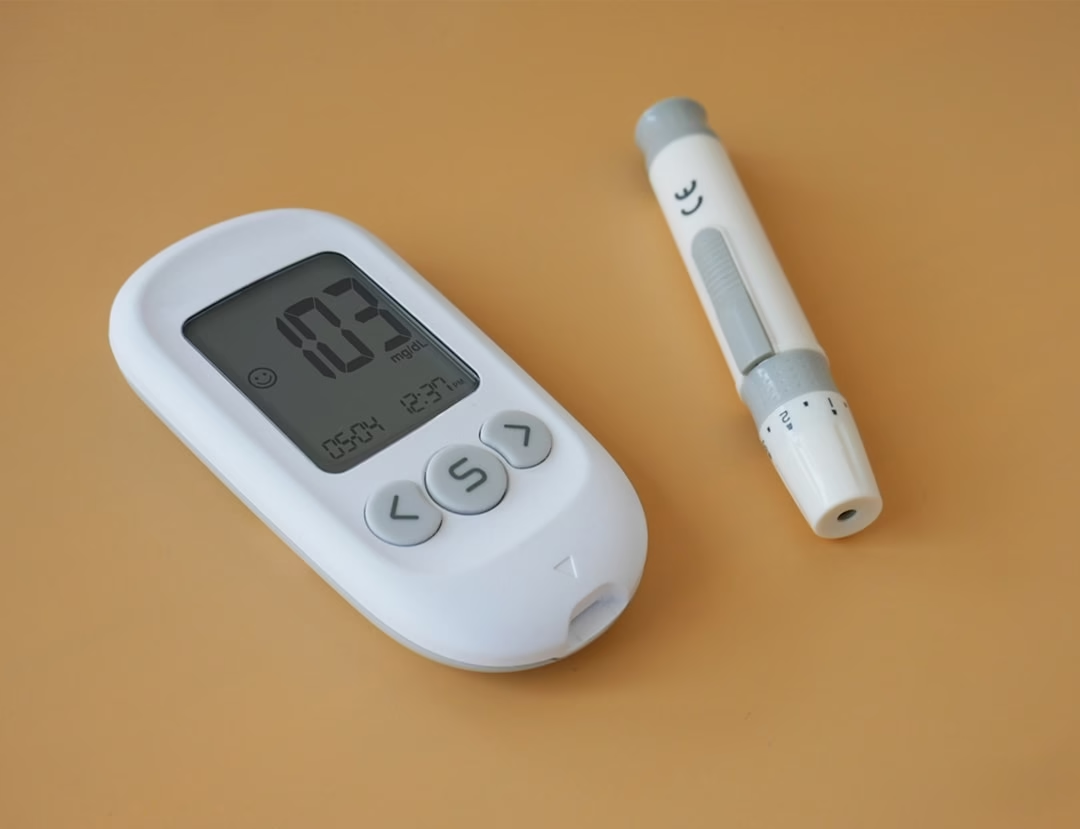
Similarly, diabetes management devices need routine care. Glucose meters require regular calibration. Moreover, insulin pumps and CGMs have their own maintenance schedules. Integrating these routines into daily life is challenging. However, consistency is key for long-term control. Using a comfortable mask like the ResMed AirFit F30i mask encourages nightly use. Additionally, patients should schedule regular professional equipment checks. Consequently, this prevents technical issues from disrupting therapy.
Diabetes Sleep Apnea UAE Link Advantages
Recognizing the diabetes sleep apnea UAE link offers significant advantages. Foremost, it enables proactive and preventive healthcare. Healthcare providers can screen high-risk patients earlier. Consequently, this leads to earlier intervention and better prognosis. Another advantage is the potential for simplified treatment. Sometimes, treating OSA improves glucose levels so much that diabetes medication can be reduced. This reduces polypharmacy and its associated side effects.
From a public health perspective, this knowledge is powerful. It allows for targeted awareness campaigns in the UAE. Furthermore, it justifies integrated clinic models, improving resource efficiency. Economically, managing both conditions together may reduce long-term healthcare costs. For the patient, understanding the link provides motivation. Knowing that CPAP use directly helps their diabetes improves adherence. Finally, it fosters a more holistic view of health. Patients learn that sleep is as critical as diet and exercise for metabolic control.
Common Questions from UAE Patients
Patients in the UAE frequently ask important questions. A common one is, “Can treating my sleep apnea cure my diabetes?” While not a cure, it significantly improves management. Another question concerns diagnosis: “Is the sleep test uncomfortable?” Modern home tests are simple and minimally intrusive. Many also ask, “Will I need to use CPAP forever?” Typically, it is a long-term therapy, but benefits are lifelong.
Others inquire about lifestyle: “Can weight loss eliminate both problems?” Substantial weight loss can greatly improve or even resolve mild OSA and diabetes. Furthermore, patients ask about travel: “Can I take my CPAP on a plane?” Yes, all modern devices are travel-friendly. Regarding supplies, “How often do I replace my mask?” Most cushions last 3-6 months, while tubing lasts 6-12 months. For personalized answers, always contact our respiratory specialists.
Expert Recommendations for UAE Residents
Experts offer clear recommendations for managing this dual diagnosis. First, if you have Type 2 diabetes, request a sleep apnea screening. Conversely, if you have OSA, get your blood sugar levels checked regularly. Secondly, commit to the prescribed therapy with consistency. Use your CPAP device every night, for the entire night. Thirdly, engage with a multidisciplinary care team. This should include a pulmonologist, endocrinologist, and a dietitian.
Additionally, prioritize weight management through diet and exercise. Even a 5-10% weight loss can create dramatic improvements. Also, be mindful of sleep hygiene. Maintain a cool, dark bedroom and a regular sleep schedule. Experts also recommend using the latest, user-friendly technology. This improves comfort and adherence. Finally, stay educated and connected with support groups. Managing chronic conditions is a journey, but you don’t have to travel it alone. The right support and equipment make all the difference.
Frequently Asked Questions (FAQ)
Q1: What is the main sign of the diabetes sleep apnea UAE link?
A: The most telling sign is having difficulty controlling blood sugar levels despite medication, coupled with loud snoring and daytime fatigue.
Q2: How does CPAP therapy help my diabetes?
A: CPAP prevents breathing pauses, reducing nighttime stress on the body. This lowers stress hormones, improving insulin sensitivity and glucose control.
Q3: Is sleep apnea common in UAE diabetics?
A: Yes, studies suggest a significantly higher prevalence of OSA among people with diabetes in the UAE compared to the general population.
Q4: Can improving my diabetes help my sleep apnea?
A: Absolutely. Better glucose control and weight loss can reduce the severity of sleep apnea, sometimes making it easier to treat.
Q5: Where can I get reliable equipment for managing the diabetes sleep apnea UAE link?
A: For trusted respiratory equipment and products, consult accredited providers like Oxydubai who offer clinical support.
Q6: Does health insurance in the UAE cover sleep apnea treatment?
A: Most comprehensive health insurance plans in the UAE do cover sleep studies and CPAP equipment, but prior approval is typically required.
Conclusion
In summary, the diabetes sleep apnea UAE link is a critical health concern. It requires informed and proactive management. Understanding this bidirectional relationship empowers patients and doctors. Consequently, integrated treatment plans can be developed. These plans address both conditions simultaneously for superior outcomes. The UAE healthcare system is advancing to meet this challenge. With increased screening and awareness, more residents will receive timely care.
Effective management hinges on patient commitment and advanced technology. Utilizing the right respiratory equipment and products is a cornerstone of success. Therefore, partnering with a knowledgeable supplier is essential. Ultimately, breaking the cycle between diabetes and sleep apnea leads to a healthier, more vibrant life. Take the first step today by consulting a specialist and exploring your treatment options. Your journey to better sleep and metabolic health begins now.