

Lung Transplant Home Care – Complete Guide
Introduction
Managing respiratory conditions in UAE? Understanding lung transplant home care is crucial for patient outcomes. This comprehensive approach bridges hospital treatment and transplant surgery. Consequently, it stabilizes patients and improves surgical success rates.
The waiting period for a transplant demands rigorous self-management. Patients must optimize their physical and mental health daily. Furthermore, proper home care can significantly impact recovery speed and quality of life post-transplant.
In the UAE, specialized respiratory equipment and products make this management possible. Advanced technology supports patients through this challenging journey. The UAE Ministry of Health medical standards ensure high-quality care protocols are followed.
At Oxydubai, trusted by 10,000+ UAE patients with premium medical solutions. Our team understands the unique challenges faced during the transplant waiting period. Therefore, we provide equipment and support tailored to this critical phase.
Need Respiratory Solutions?
Understanding Lung Transplant Home Care
Lung transplant home care involves comprehensive management while awaiting surgery. This critical period requires meticulous attention to health stability. Patients must maintain their condition to remain eligible for transplantation.
The core components include oxygen therapy, nutrition, and physical activity. Additionally, infection prevention and medication adherence are vital. Each element contributes to preserving lung function and overall health.
Medical equipment like the Inogen One G5 portable oxygen concentrator provides mobility during this phase. Meanwhile, the ResMed Astral 150 ventilator offers advanced respiratory support for severe cases. These devices align with World Health Organization respiratory health guidelines.
Proper home care creates the foundation for successful transplant outcomes. It requires coordination between patients, caregivers, and healthcare providers. Consequently, this collaborative approach ensures all aspects of care are addressed comprehensively.
Benefits of Pre-Transplant Management
Effective pre-transplant management offers multiple advantages for candidates. Primarily, it helps maintain physical conditioning for surgery. Better preoperative health typically leads to smoother recovery processes.
Another significant benefit is preventing clinical deterioration. Consistent care reduces hospitalization frequency and duration. Furthermore, it minimizes the risk of being removed from transplant lists due to health declines.
Psychological preparation is equally important during this period. Patients develop coping strategies and mental resilience. This emotional foundation supports them through the transplant journey and recovery.
According to Dubai Health Authority healthcare guidelines, comprehensive care improves survival rates. Patients who actively participate in their pre-transplant care often experience better outcomes. Therefore, engagement in management protocols is strongly encouraged.
Lung Transplant Home Care Features
Several distinctive features characterize effective lung transplant home care. First, personalized oxygen therapy regimens are fundamental. These protocols are tailored to individual patient needs and activity levels.
Another key feature is structured exercise maintenance programs. These routines preserve muscle strength and cardiovascular function. Additionally, they help combat the deconditioning effects of advanced lung disease.
Specialized nutritional support represents another critical component. This includes high-calorie, protein-rich diets to combat cachexia. Proper hydration and micronutrient balance are also carefully monitored.
Integrated psychological support completes the comprehensive care picture. Counseling and stress management techniques help patients cope with waiting uncertainty. The ResMed AirFit F30i mask enhances comfort during sleep therapy, supporting mental well-being.
Pre-Transplant Protocol Specifications
Specific protocols govern pre-transplant home management thoroughly. Oxygen saturation targets typically range between 88-92% during rest. During activity, maintaining levels above 90% becomes the objective.
Nutritional specifications focus on calorie and protein requirements. Patients often need 1.5-2.0 grams of protein per kilogram daily. Calorie intake must counteract the hypermetabolic state of advanced lung disease.
Exercise specifications include frequency, duration, and intensity guidelines. Most programs recommend activity 3-5 times weekly for 20-30 minutes. However, these parameters are adjusted based on individual tolerance and disease severity.
Medication management follows precise scheduling and monitoring protocols. Health Authority Abu Dhabi regulations ensure medication safety and efficacy. Patients must adhere strictly to prescribed regimens to maintain transplant eligibility.
Expert Medical Advice?
Setup and Maintenance Protocols
Proper setup of home care equipment requires careful planning. First, creating a safe, accessible environment is essential. Equipment placement should facilitate daily activities while minimizing trip hazards.
Oxygen concentrators need regular filter cleaning and replacement. Additionally, backup oxygen tanks must be maintained for power outages. Proper equipment maintenance ensures reliable therapy delivery.
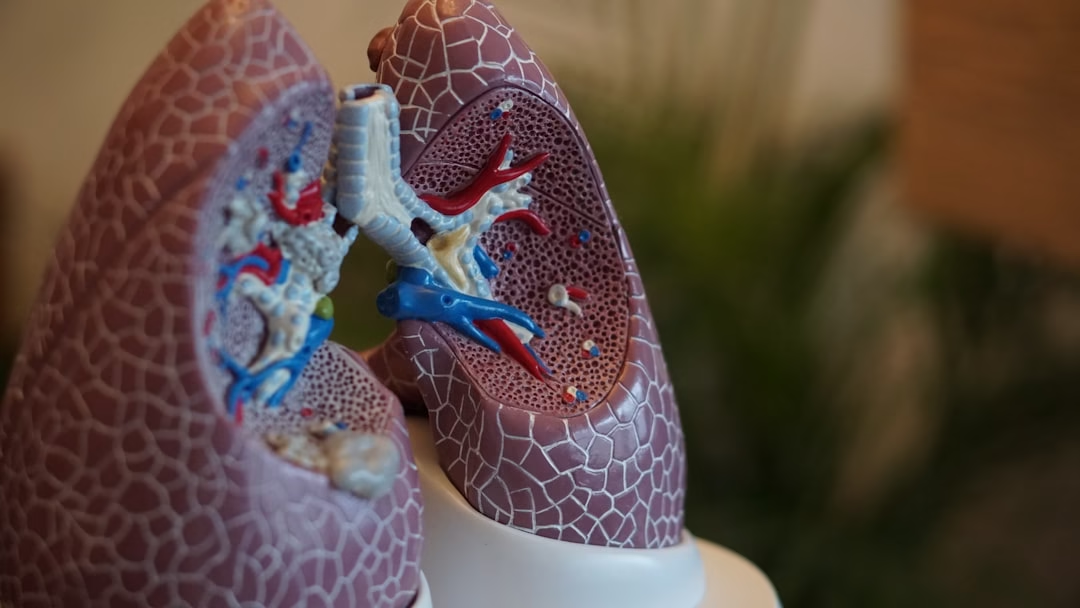
Establishing daily routines supports consistent care implementation. These include medication schedules, exercise times, and breathing treatments. Furthermore, symptom monitoring and documentation become integral daily activities.
Emergency preparedness forms another critical maintenance aspect. Patients and caregivers must recognize worsening symptoms requiring immediate attention. The ResMed AirSense 11 CPAP machine includes remote monitoring capabilities for proactive management.
Lung Transplant Home Care Advantages
The advantages of comprehensive home care are substantial. Most importantly, it maximizes transplant success potential. Patients in better physical condition typically experience fewer complications.
Another significant advantage is improved quality of life during waiting. Proper symptom management enhances daily functioning and comfort. Consequently, patients can maintain greater independence and engagement in life activities.
Reduced healthcare utilization represents another benefit. Effective home care decreases emergency visits and hospital admissions. This efficiency benefits both patients and healthcare systems.
Psychological advantages include increased confidence and control. Patients actively participating in their care often report better emotional well-being. The ResMed AirMini compact CPAP enables travel, supporting mental health through lifestyle maintenance.
Common Questions Answered
Many patients wonder about activity limitations during waiting. Generally, moderate activity is encouraged within individual tolerance. However, patients should avoid situations with infection exposure risks.
Nutrition questions often concern weight management strategies. Calorie-dense, small frequent meals typically work best. Protein supplements might be necessary to meet increased requirements.
Equipment concerns frequently involve portability and reliability. Modern devices like portable concentrators offer substantial mobility. Meanwhile, backup systems provide security during technical issues.
Psychological support questions are common among candidates. Professional counseling and support groups offer valuable resources. Additionally, UAE government healthcare regulations ensure access to mental health services.
Expert Recommendations
Medical experts emphasize several key recommendations for candidates. First, strict adherence to prescribed therapies is non-negotiable. Consistency directly impacts transplant eligibility and outcomes.
Infection prevention requires diligent attention to hygiene practices. Hand washing, mask wearing, and avoiding crowds are essential. Additionally, vaccinations should be current according to medical guidance.
Regular communication with healthcare teams is crucial. Patients should report symptom changes promptly for early intervention. This proactive approach prevents minor issues from becoming major complications.
Equipment selection should prioritize reliability and appropriate features. Contact our respiratory specialists for personalized equipment recommendations. Professional guidance ensures optimal device selection for individual needs and lifestyles.
Frequently Asked Questions
What is the most important aspect of lung transplant home care? Oxygen therapy optimization is fundamental. Proper oxygenation preserves organ function and physical conditioning.
How can patients maintain exercise capacity? Through structured, supervised pulmonary rehabilitation programs. These gradually build endurance without overtaxing compromised systems.
What nutritional approaches are most effective? High-protein, high-calorie diets with frequent small meals. This strategy counters the catabolic state of advanced lung disease.
How does psychological preparation help? It builds resilience for the transplant journey and recovery. Mental readiness improves coping with the procedure’s physical demands.
What equipment is essential for lung transplant home care? Reliable oxygen delivery systems and monitoring devices. The respiratory equipment and products available today offer advanced features for comprehensive management.
How can caregivers support patients effectively? Through education, practical assistance, and emotional support. Caregiver well-being is equally important for sustainable care provision.
Conclusion
Comprehensive lung transplant home care is multifaceted and demanding. However, its proper implementation significantly influences transplant outcomes. Patients who actively engage in their pre-transplant management typically experience better results.
The integration of oxygen therapy, nutrition, exercise, and psychological support creates a solid foundation. This holistic approach addresses both physical and emotional needs. Consequently, patients enter transplantation with optimized health status.
Advanced medical equipment plays a crucial role in enabling effective home management. Modern devices provide reliability, mobility, and sophisticated monitoring capabilities. Therefore, appropriate equipment selection is a critical care component.
Ultimately, successful lung transplant home care requires partnership between patients, caregivers, and healthcare providers. This collaborative model ensures all aspects of the complex pre-transplant journey are addressed. With proper support and resources, patients can navigate this challenging period effectively.

