

Lung Transplant Home Care – Complete Guide
Introduction
Managing respiratory conditions in UAE? Lung transplant home care requires comprehensive preparation and daily management. This critical waiting period demands meticulous attention to health optimization. Patients must navigate complex medical requirements while maintaining physical and emotional wellbeing. Consequently, proper home care significantly impacts transplant success rates and recovery outcomes.
The journey toward lung transplantation involves multiple healthcare dimensions. Patients typically face advanced lung diseases like COPD, pulmonary fibrosis, or cystic fibrosis. Therefore, effective home management becomes essential for preserving remaining lung function. Additionally, maintaining transplant eligibility requires strict adherence to medical protocols. The World Health Organization respiratory health guidelines emphasize integrated care approaches for chronic respiratory conditions.
In the UAE context, specialized respiratory care combines advanced technology with personalized support. At Oxydubai, trusted by 10,000+ UAE patients with premium respiratory equipment and products. Our medical team understands the unique challenges faced by transplant candidates. Thus, we provide comprehensive solutions tailored to individual needs and medical requirements.
This guide explores essential aspects of pre-transplant home management. We cover oxygen therapy optimization, nutritional support, physical activity maintenance, and psychological preparation. Each component plays a vital role in transplant readiness. Furthermore, proper implementation can improve quality of life during the waiting period. Ultimately, thorough preparation increases the likelihood of successful surgical outcomes.
Need Respiratory Solutions?
Understanding Lung Transplant Home Care
Lung transplant home care encompasses comprehensive medical management for transplant candidates. This specialized approach addresses multiple aspects of advanced lung disease. Patients receive detailed instructions from their transplant team. These guidelines help maintain physical health while waiting for donor organs.
The primary goal involves preserving remaining lung function. Additionally, patients must prevent infections and complications that could delay transplantation. Proper implementation requires coordination between patients, caregivers, and healthcare providers. The UAE Ministry of Health medical standards provide frameworks for chronic disease management at home.
Effective lung transplant home care includes several key components. Oxygen therapy management ensures adequate oxygenation during daily activities. Nutritional support addresses the metabolic demands of chronic illness. Physical activity programs maintain muscle strength and cardiovascular fitness. Psychological support helps manage the emotional challenges of waiting.
Medical equipment plays a crucial role in successful home management. The Inogen One G5 portable oxygen concentrator provides mobility for active patients. Meanwhile, the ResMed Astral 150 ventilator offers advanced support for those with respiratory failure. Proper equipment selection depends on individual clinical requirements and lifestyle needs.
Benefits of Pre-Transplant Management
Comprehensive pre-transplant management offers multiple advantages for candidates. Firstly, it helps maintain physical conditioning essential for surgery survival. Patients with better preoperative fitness typically experience smoother recoveries. Secondly, proper management reduces complication risks during the waiting period.
Nutritional optimization supports immune function and tissue repair. Well-nourished patients demonstrate improved wound healing capabilities. Additionally, maintaining muscle mass helps preserve respiratory muscle strength. This becomes particularly important during postoperative rehabilitation.
Psychological preparation enhances coping mechanisms throughout the transplant journey. Patients learn stress management techniques and develop support networks. Consequently, they approach transplantation with realistic expectations and emotional resilience. The Dubai Health Authority healthcare guidelines emphasize mental health integration in chronic disease care.
Infection prevention measures protect against illnesses that could delay transplantation. Proper hygiene, vaccination, and avoidance of sick contacts become essential practices. Furthermore, medication adherence ensures disease stability while awaiting surgery. These combined benefits significantly impact transplant eligibility and outcomes.
Lung Transplant Home Care Features
Lung transplant home care incorporates several distinctive features that differentiate it from standard chronic disease management. The approach is highly individualized, tailored to specific lung conditions and functional limitations. Treatment plans evolve as disease progresses or new symptoms emerge.
Continuous monitoring represents another crucial feature. Patients track oxygen saturation, weight changes, and symptom patterns. This data helps healthcare providers make timely interventions. Additionally, emergency planning ensures rapid response to clinical deterioration. The Health Authority Abu Dhabi regulations establish standards for home medical equipment safety and efficacy.
Multidisciplinary collaboration characterizes effective lung transplant home care. Respiratory therapists, nutritionists, physical therapists, and psychologists contribute specialized expertise. Meanwhile, primary caregivers receive training to assist with daily management tasks. This team approach addresses the complex needs of transplant candidates.
Technology integration enhances care delivery and monitoring. The ResMed AirSense 11 CPAP machine provides therapy data for healthcare review. Modern concentrators and ventilators feature connectivity options for remote monitoring. These technological advances support comprehensive home-based management.
Pre-Transplant Preparation Specifications
Pre-transplant preparation requires meeting specific medical criteria and following detailed protocols. Candidates must maintain strict medication schedules, often involving multiple drugs with complex timing. Additionally, they need to achieve and sustain target weight ranges through nutritional management.
Oxygen therapy specifications include maintaining oxygen saturation above predetermined thresholds. Patients learn to adjust oxygen flow rates during different activities. Furthermore, they must recognize signs of inadequate oxygenation and respond appropriately. Proper equipment maintenance ensures reliable oxygen delivery.
Physical activity specifications focus on preserving functional capacity. Exercise programs typically combine endurance training with strength exercises. Patients monitor exertion levels and use supplemental oxygen during activity. Safety parameters help prevent overexertion while maximizing benefits.
Psychological preparation involves developing coping strategies for transplant-related stress. Candidates participate in support groups and counseling sessions. They also complete advanced care planning documents. The UAE government healthcare regulations support comprehensive transplant candidate evaluation and preparation.
Expert Medical Advice?
Setup & Maintenance
Proper setup of home care equipment ensures safe and effective management. Oxygen concentrators require placement in well-ventilated areas away from heat sources. Additionally, patients need adequate tubing length for mobility within living spaces. Proper electrical safety measures prevent equipment malfunction.
Routine maintenance preserves equipment function and extends product lifespan. Oxygen concentrators need regular filter cleaning and replacement. Ventilators require circuit changes and sensor calibration. Furthermore, backup equipment provides security during primary device servicing.
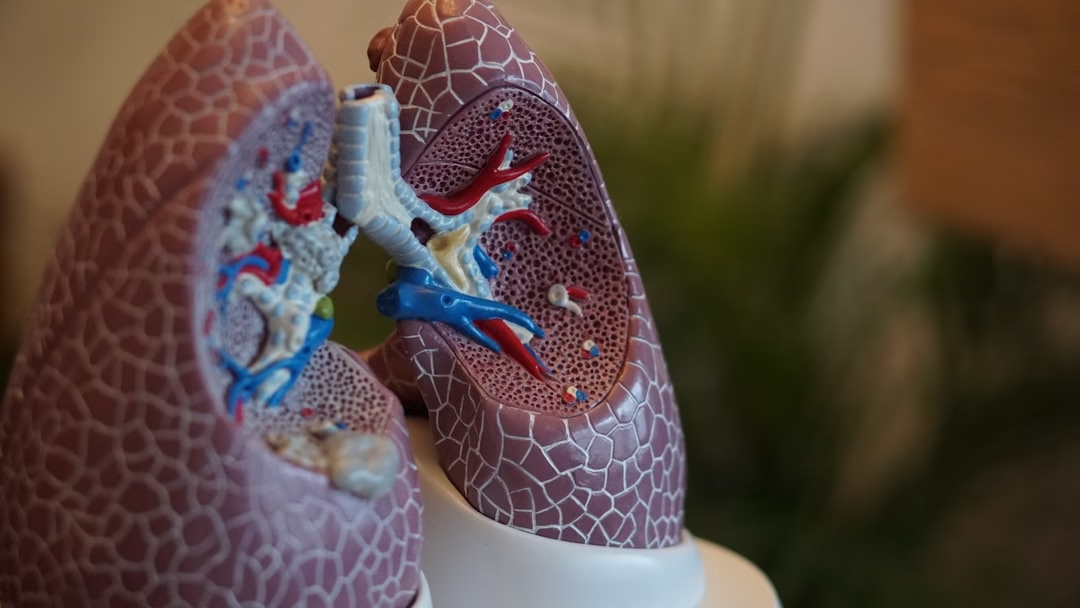
Emergency preparedness involves having backup oxygen supplies and power sources. Patients maintain contact information for equipment providers and medical teams. Additionally, they develop evacuation plans for fire or other emergencies. These precautions ensure continuous care during unexpected situations.
The ResMed AirFit F30i mask requires proper fitting and regular cushion replacement. Meanwhile, the ResMed AirMini compact CPAP needs regular water chamber cleaning. Following manufacturer guidelines ensures optimal performance and therapy effectiveness.
Lung Transplant Home Care Advantages
Lung transplant home care offers significant advantages for candidates awaiting surgery. Firstly, it promotes active patient involvement in health management. This engagement fosters better understanding of personal health status. Consequently, patients become partners in their care rather than passive recipients.
Home-based management reduces hospitalization frequency and duration. Patients receive comprehensive care in familiar environments. This approach minimizes healthcare costs and infection exposure risks. Additionally, it preserves quality of life during the transplant waiting period.
Psychological benefits include reduced anxiety and improved emotional wellbeing. Patients maintain daily routines and family connections. Furthermore, they experience greater sense of control over their health journey. These emotional advantages contribute to better transplant outcomes.
Physical advantages include maintained functional capacity and muscle strength. Customized exercise programs prevent deconditioning while accommodating limitations. Proper nutrition supports immune function and tissue integrity. Together, these elements create optimal conditions for successful transplantation.
Common Questions
Many patients wonder about activity limitations during the waiting period. Generally, moderate activity is encouraged with appropriate oxygen support. However, patients should avoid situations with infection exposure risks. Additionally, they need to balance activity with adequate rest periods.
Nutrition questions often focus on specific dietary requirements. Transplant candidates typically need high-protein, high-calorie diets. Sodium and fluid restrictions may apply depending on comorbidities. Furthermore, nutritional supplements might be necessary to address specific deficiencies.
Equipment concerns include oxygen conservation techniques and emergency procedures. Patients learn to prioritize oxygen use during essential activities. They also develop plans for power outages or equipment failure. Regular equipment checks prevent most emergency situations.
Psychological support questions address coping with transplant uncertainty. Candidates benefit from connecting with previous transplant recipients. Professional counseling helps manage anxiety and depression. Additionally, relaxation techniques reduce stress and improve sleep quality.
Expert Recommendations
Medical experts emphasize consistent adherence to treatment plans. Small daily efforts create significant long-term benefits. Additionally, open communication with healthcare teams ensures timely intervention when needed. Patients should report symptom changes promptly rather than waiting for scheduled appointments.
Technology utilization enhances monitoring and communication. Remote monitoring devices provide objective data for clinical decision-making. Telehealth visits offer convenient access to specialist care. Furthermore, mobile applications help track symptoms, medications, and vital signs.
Caregiver involvement remains essential for successful home management. Family members should understand basic equipment operation and emergency procedures. Additionally, they need to recognize signs of clinical deterioration. The contact our respiratory specialists option provides direct access to expert guidance when needed.
Preparation for transplantation includes practical arrangements beyond medical management. Patients should organize transportation to transplant centers and identify postoperative caregivers. Furthermore, financial planning addresses costs not covered by insurance. These logistical preparations reduce stress when the transplant call arrives.
Frequently Asked Questions
How does lung transplant home care improve surgical outcomes?
Proper home management preserves physical conditioning essential for surgery survival. Additionally, it reduces complication risks and maintains transplant eligibility.
What oxygen equipment is most suitable for active patients?
Portable concentrators like the Inogen One G5 provide mobility while maintaining therapeutic oxygen levels during daily activities.
How can patients prevent infections while waiting?
Strict hand hygiene, vaccination currentness, and avoiding crowded spaces significantly reduce infection risks during the waiting period.
What nutritional strategies support transplant candidates?
High-protein diets with adequate calories help maintain muscle mass and support immune function before transplantation.
How important is psychological preparation?
Emotional readiness significantly impacts coping ability throughout the transplant journey and recovery process.
What emergency supplies should lung transplant home care include?
Backup oxygen, power sources, and emergency contact information ensure continuous care during unexpected situations.
Conclusion
Comprehensive lung transplant home care represents a critical component of the transplant journey. This multifaceted approach addresses medical, physical, and emotional needs during the waiting period. Proper implementation requires dedication from patients, caregivers, and healthcare providers.
The benefits extend beyond transplant eligibility maintenance. Patients experience improved quality of life and greater sense of control over their health. Furthermore, thorough preparation creates optimal conditions for successful surgical outcomes. Each aspect of care contributes to the overall transplant success.
Technology plays an increasingly important role in modern home management. Advanced equipment provides reliable therapy while enabling mobility and independence. Additionally, remote monitoring facilitates continuous healthcare supervision. These technological advances support comprehensive care delivery outside hospital settings.
Ultimately, successful lung transplant home care requires individualized approaches and ongoing adaptation. As medical knowledge advances, care protocols continue to evolve. Patients who actively engage in their preparation typically experience the best outcomes. The journey toward transplantation becomes manageable through systematic preparation and professional support.