

Heart Failure Oxygen Therapy – Complete Guide
In the UAE’s dynamic healthcare environment, access to high-quality equipment is paramount. For instance, advanced devices can make a significant difference in patient outcomes. At Oxydubai, trusted by 10,000+ UAE patients, we provide premium respiratory equipment and products. Therefore, patients and caregivers can find the reliable tools needed for effective long-term management.
Need Respiratory Solutions?
Understanding Heart Failure Oxygen Therapy
Heart failure often leads to insufficient oxygen levels in the blood, a condition known as hypoxemia. This occurs because the weakened heart cannot pump blood effectively to the lungs and the rest of the body. Therefore, heart failure oxygen therapy is a targeted treatment to correct this deficit. The therapy involves administering oxygen at concentrations higher than in ambient air.
Proper coordination is essential for success. For example, it’s not just about providing oxygen; it’s about integrating it with other aspects of cardiac care. This includes monitoring for fluid overload, which can worsen breathing, and adjusting medications that support heart function. The World Health Organization respiratory health guidelines emphasize the importance of integrated care models for chronic conditions like heart failure. Using the right equipment, such as the Inogen One G5 portable oxygen concentrator, allows for effective therapy both at home and on the go.
Benefits of Coordinated Cardiac Care
A coordinated approach offers significant advantages for patients. Firstly, it directly alleviates the distressing symptom of shortness of breath (dyspnea). This immediate relief reduces the workload on the heart muscle. Consequently, the heart can function more efficiently with less strain.
Moreover, better oxygen saturation improves sleep quality and increases energy levels for daily activities. This holistic management is supported by UAE Ministry of Health medical standards, which advocate for patient-centered care plans. Furthermore, when non-invasive ventilation like BiPAP is part of the plan, it actively assists the patient’s breathing. This support is crucial during acute episodes, preventing further deterioration and potential hospitalization.
Heart Failure Oxygen Therapy Features
Modern heart failure oxygen therapy systems are designed with patient safety and comfort in mind. Key features often include adjustable flow rates, which allow clinicians to tailor the oxygen delivery to the patient’s specific needs. Additionally, oxygen concentrators have built-in sensors that monitor blood oxygen saturation. This provides real-time feedback.
Another critical feature is portability. Modern devices enable patients to maintain their therapy while remaining active. For instance, the ResMed AirMini compact CPAP is ideal for travel without interrupting treatment. Compliance data tracking is also a valuable feature, helping healthcare providers monitor usage. These functionalities are designed in line with Dubai Health Authority healthcare guidelines to ensure effective and safe home-based care.
Treatment Plan Specifications
A well-defined treatment plan is the blueprint for managing heart failure. The specifications for oxygen therapy must be precise. This includes the prescribed oxygen flow rate, measured in liters per minute. It also dictates the duration of use, whether continuously or only during sleep or exertion.
The plan should also specify the type of delivery device. Options range from simple nasal cannulas for low-flow oxygen to specialized masks for non-invasive ventilation. For patients requiring more advanced support, a device like the ResMed Astral 150 ventilator offers versatile settings for complex needs. Adherence to Health Authority Abu Dhabi regulations ensures that all medical equipment used meets the highest safety and efficacy standards.
Expert Medical Advice?
Setup and Daily Maintenance
Correct setup is fundamental for effective and safe therapy. Initially, the device should be placed on a stable, flat surface away from walls and heat sources to ensure proper ventilation. Next, connect the oxygen tubing to the concentrator and to the delivery device, such as a cannula or mask. A proper fit is crucial for comfort and efficacy, which is why masks like the ResMed AirFit F30i mask are designed for a secure yet comfortable seal.
Daily maintenance is equally important. Regularly clean the nasal cannula or mask with mild soap and water to prevent infection. Furthermore, check and replace the air inlet filter as recommended by the manufacturer. This prevents dust buildup and ensures the device draws in clean air. Finally, always have a backup power source or oxygen cylinders available in case of a power outage, as outlined in preparedness guidelines from the UAE government healthcare regulations.
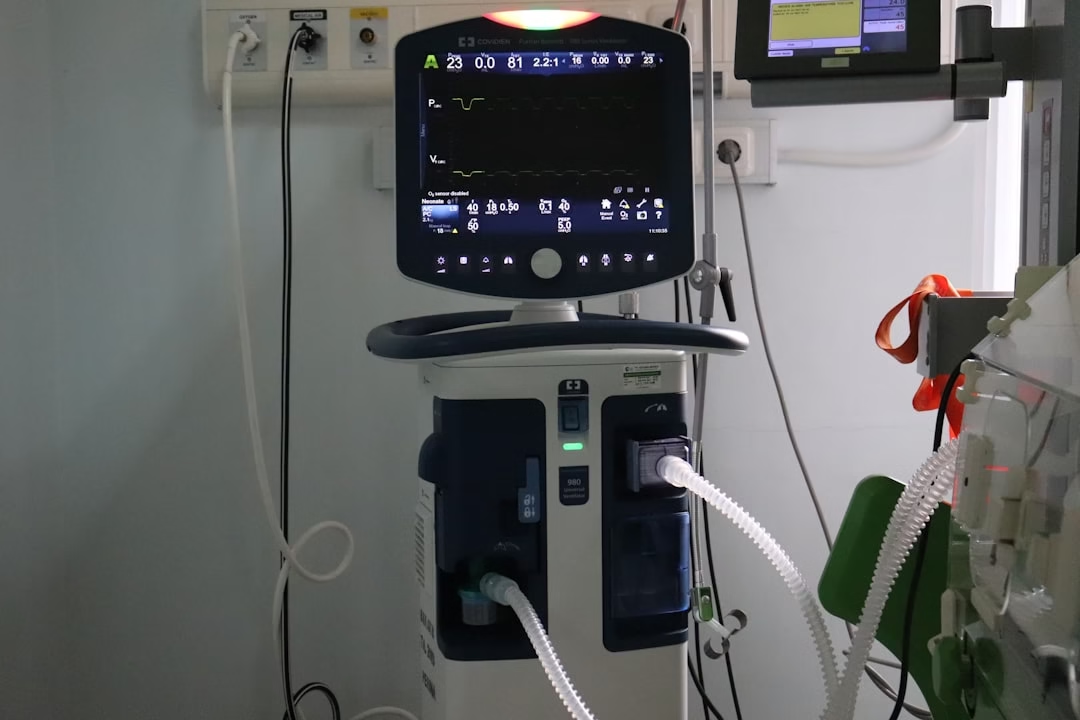
Heart Failure Oxygen Therapy Advantages
The advantages of consistent heart failure oxygen therapy are profound. Most importantly, it can significantly reduce hospital readmission rates. By managing symptoms effectively at home, patients avoid frequent emergency visits. This proactive approach also slows the progression of the disease.
Another key advantage is the enhancement of neurocognitive function. Better oxygen levels in the blood support brain health, potentially improving memory and concentration. Additionally, patients often experience improved exercise tolerance. This allows for participation in cardiac rehabilitation programs, which are vital for long-term health. Integrating therapy with devices like the ResMed AirSense 11 CPAP machine can further optimize treatment for those with co-existing sleep apnea, a common comorbidity in heart failure.
Common Patient Questions
Patients and caregivers often have important questions about their treatment. A frequent query is, “How long will I need to use oxygen therapy?” The answer varies; some may need it temporarily after hospitalization, while others with chronic conditions require long-term use. Another common question concerns travel. “Can I travel with my oxygen concentrator?” Yes, most portable units are approved for air and car travel, but always check with your airline and contact our respiratory specialists for documentation.
People also ask, “What are the signs that my oxygen levels are too low?” Key indicators include increased shortness of breath, confusion, bluish discoloration of the lips or fingernails, and a rapid heartbeat. Furthermore, many wonder about the safety of using oxygen around the house. It is safe, but you must keep the equipment away from open flames and flammable materials like aerosol sprays. Adhering to these safety protocols is mandated by UAE Ministry of Health medical standards.
Expert Clinical Recommendations
Medical experts strongly emphasize a personalized care plan. There is no one-size-fits-all solution for heart failure management. Therefore, treatment must be tailored to the individual’s specific heart function, oxygen saturation levels, and lifestyle. Regular follow-ups with a cardiologist and pulmonologist are non-negotiable for adjusting the therapy as the disease evolves.
Experts also recommend combining oxygen therapy with other lifestyle modifications. These include a low-sodium diet to manage fluid retention, prescribed physical activity, and strict medication adherence. Additionally, they advise using high-quality, medically-approved equipment to ensure reliability. For comprehensive support, exploring a full range of respiratory equipment and products is a prudent step for any patient committed to managing their health effectively at home.
Frequently Asked Questions
What is the role of BiPAP in heart failure oxygen therapy?
BiPAP provides pressurized air to keep airways open and assist breathing, which is especially helpful during acute fluid overload.
How often should I monitor my fluid intake?
Daily monitoring is crucial. Your doctor will likely recommend a specific fluid limit and daily weight checks.
Can I adjust my oxygen flow rate myself?
No. You should always use the flow rate prescribed by your doctor. Unauthorized adjustments can be dangerous.
What is the connection between heart failure and sleep apnea?
They often coexist. Sleep apnea strains the heart, and heart failure can worsen breathing problems at night.
How does proper heart failure oxygen therapy improve medication effectiveness?
By ensuring the body is well-oxygenated, the heart works less hard, allowing medications like diuretics and beta-blockers to work more effectively.
Where can I get reliable oxygen therapy equipment in the UAE?
You can find a wide selection of trusted devices, including the Inogen One G5 portable oxygen concentrator, through reputable suppliers like Oxydubai.
Ultimately, success depends on patient education, consistent adherence, and access to reliable medical equipment. By partnering with knowledgeable healthcare providers and utilizing high-quality resources, patients in the UAE can confidently manage their condition. For personalized guidance and support, we encourage you to contact our respiratory specialists today.