

Diabetes and COPD Management – Complete Guide
Diabetes affects your body’s ability to process sugar, while COPD damages your lungs’ capacity to breathe. However, their interaction creates unique complications. For instance, inflammation from COPD can worsen insulin resistance. Similarly, diabetes can increase infection risks in already vulnerable lungs.
Proper management demands coordinated care between pulmonologists and endocrinologists. Furthermore, it requires reliable respiratory equipment and products to maintain treatment consistency. At Oxydubai, trusted by 10,000+ UAE patients with premium medical equipment, we understand these dual challenges.
The UAE healthcare system provides excellent resources for chronic disease management. Additionally, local climate factors can influence both respiratory and metabolic health. Therefore, tailored approaches work best for regional patients.
Need Respiratory Solutions?
Understanding Diabetes and COPD Management
COPD medications like corticosteroids can dramatically increase blood sugar levels. Conversely, high blood sugar impairs immune function, increasing respiratory infection risks. This dangerous interaction requires careful medication timing and dosage adjustments.
Effective monitoring includes tracking both blood glucose and oxygen saturation regularly. Many patients benefit from the ResMed AirSense 11 CPAP machine for sleep-related breathing issues. This advanced device helps maintain nighttime oxygen levels, which supports better glucose control.
The World Health Organization respiratory health guidelines emphasize integrated care for comorbid conditions. Following these protocols ensures patients receive evidence-based treatment. Additionally, UAE medical standards align with these international best practices.
Patients should maintain detailed logs of symptoms, medications, and vital signs. This information helps healthcare providers make precise treatment adjustments. Furthermore, it identifies patterns that might otherwise go unnoticed.
Benefits of Dual Condition Care
Coordinated care improves overall quality of life dramatically. Patients experience fewer hospitalizations and emergency visits. Moreover, they report better energy levels and daily functioning.
Proper oxygen therapy supports metabolic health by reducing stress on the body. The Inogen One G5 portable oxygen concentrator enables active lifestyles while maintaining therapeutic oxygen levels. Consequently, patients can exercise safely, which benefits both conditions.
The UAE Ministry of Health medical standards support comprehensive chronic disease management. These regulations ensure patients receive coordinated care across specialties. Additionally, they guarantee access to necessary medical equipment and supplies.
Psychological benefits include reduced anxiety about health management. Patients feel more confident handling daily challenges. Furthermore, they develop better coping strategies for long-term health maintenance.
Diabetes and COPD Management Features
Technology integration plays a crucial role in modern care. For example, the ResMed AirMini compact CPAP offers travel-friendly respiratory support. This portability ensures treatment consistency during trips or daily activities.
Nutrition planning must address both conditions simultaneously. Diabetic diets should consider COPD-related energy needs and breathing difficulties. Therefore, meal timing and composition require special attention.
The Dubai Health Authority healthcare guidelines provide frameworks for comorbid condition management. These protocols help healthcare providers develop effective treatment plans. Moreover, they establish safety standards for home-based care equipment.
Emergency preparedness includes recognizing symptoms that require immediate attention. Patients should know when to seek help for breathing difficulties or blood sugar extremes. Furthermore, they need action plans for power outages or equipment failures.
Dual Condition Specifications
Oxygen therapy specifications vary based on activity levels and blood sugar stability. Some patients need higher oxygen flow rates during hyperglycemic episodes. Conversely, stable glucose levels might permit lower oxygen requirements.
The ResMed Astral 150 ventilator provides sophisticated respiratory support for advanced cases. This equipment offers precise oxygen delivery matched to breathing patterns. Consequently, it maintains optimal oxygenation without interfering with metabolic stability.
Monitoring equipment must meet specific accuracy standards for reliable results. The Health Authority Abu Dhabi regulations ensure medical devices sold in the UAE meet rigorous quality requirements. These standards protect patients from inaccurate readings that could compromise treatment.
Nutritional specifications include precise carbohydrate counting with attention to meal timing. Meals should support stable glucose while providing energy for breathing muscles. Additionally, hydration needs special consideration since both conditions affect fluid balance.
Expert Medical Advice?
Setup & Maintenance
Equipment maintenance ensures reliable performance when needed most. Regular cleaning prevents infections and maintains device accuracy. Furthermore, proper storage extends equipment lifespan and preserves functionality.
The ResMed AirFit F30i mask requires specific cleaning routines to maintain seal integrity and hygiene. Proper care prevents skin irritation and ensures effective therapy. Similarly, glucose meters need regular calibration for accurate readings.
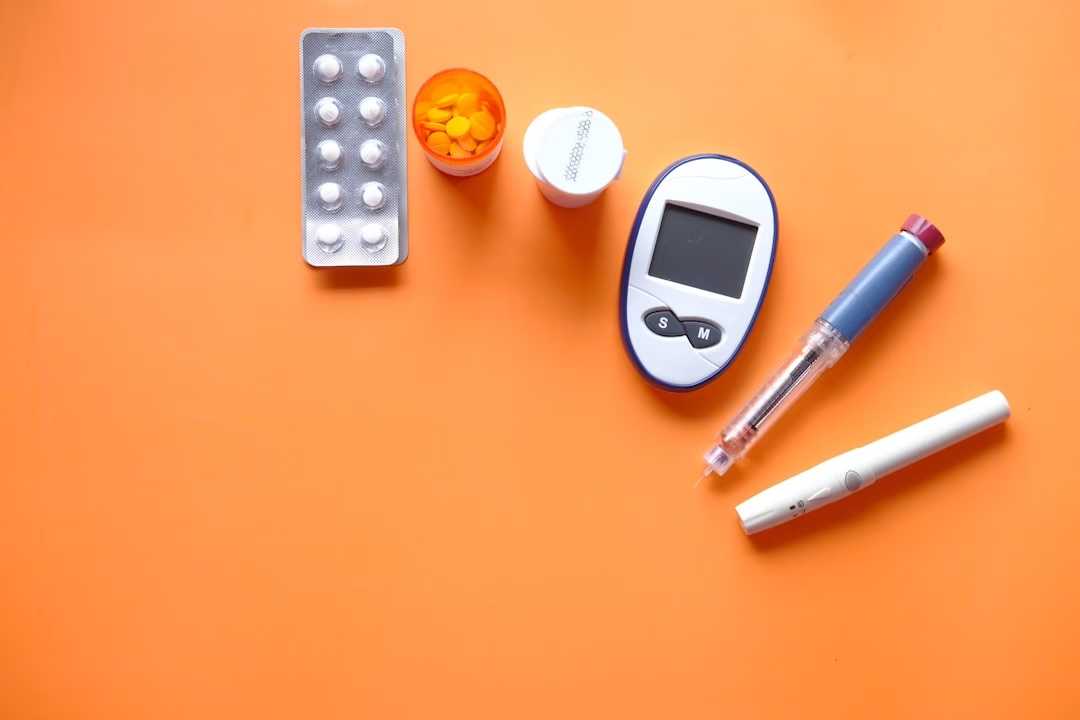
Supply management involves maintaining adequate stocks of essential items. Patients should track medication refills, test strips, oxygen supplies, and cleaning materials. Consequently, they avoid treatment interruptions that could worsen either condition.
Emergency preparation includes backup power sources for electronic medical equipment. Patients reliant on oxygen concentrators or insulin pumps need contingency plans for power failures. Moreover, they should keep emergency contact information readily accessible.
Diabetes and COPD Management Advantages
Patients experience better symptom control with integrated treatment approaches. Breathing difficulties decrease when blood sugar remains stable. Similarly, glucose management improves with adequate oxygenation.
Quality equipment enhances these advantages significantly. Reliable respiratory equipment and products ensure treatment consistency and effectiveness. Moreover, they provide accurate data for healthcare providers to optimize therapies.
The UAE government healthcare regulations support patient access to necessary medical equipment. These policies help patients maintain their treatment regimens at home. Additionally, they provide quality assurance for imported medical devices.
Long-term benefits include preserved organ function and extended lifespan. Patients maintain better physical functioning and mental acuity. Furthermore, they enjoy greater independence and participation in daily activities.
Common Questions
Medication timing questions frequently arise, particularly with corticosteroids. These powerful anti-inflammatory drugs can significantly elevate blood sugar. Therefore, patients might need temporary insulin adjustments during COPD exacerbations.
Dietary concerns include managing carbohydrate intake while maintaining energy for breathing. Smaller, more frequent meals often work better than three large meals. Additionally, proper hydration thins respiratory secretions while helping kidney function.
Travel considerations involve planning for equipment needs and medication schedules. The ResMed AirMini compact CPAP offers convenient travel solutions for respiratory therapy. Similarly, portable glucose monitors and insulin cooling cases maintain diabetes management away from home.
Emergency recognition questions focus on identifying when to seek immediate help. Warning signs include rapidly worsening breathing, extreme blood sugar levels, or mental confusion. Patients should have clear action plans for these situations.
Expert Recommendations
Healthcare team coordination ensures all providers work toward shared goals. Pulmonologists, endocrinologists, and primary care physicians should communicate regularly. Additionally, they should review each other’s treatment adjustments.
Equipment selection should match individual patient needs and lifestyles. For active patients, the Inogen One G5 portable oxygen concentrator provides freedom without compromising therapy. Meanwhile, the ResMed AirSense 11 CPAP machine offers advanced features for home sleep therapy.
Vaccination adherence is particularly crucial for patients with both conditions. Influenza and pneumonia vaccines prevent respiratory infections that could trigger dangerous exacerbations. Furthermore, COVID-19 boosters provide additional protection against severe outcomes.
Psychological support addresses the emotional burden of managing two chronic conditions. Support groups and counseling help patients develop coping strategies. Moreover, they reduce feelings of isolation and overwhelm.
Frequently Asked Questions
How does diabetes worsen COPD? High blood sugar impairs immune function, increasing respiratory infection risks. Furthermore, diabetes can damage small blood vessels in the lungs.
What are safe exercises for both conditions? Walking, cycling, and swimming are generally safe. However, always monitor oxygen saturation and stop if you feel dizzy or short of breath.
How does diabetes and COPD management differ from single condition care? It requires careful medication coordination and more frequent monitoring. Additionally, treatment plans must address how each condition affects the other.
Can I use the same healthcare provider for both conditions? While some internists manage both, most patients benefit from specialists working together. Coordination between pulmonology and endocrinology ensures optimal care.
What emergency supplies should I keep at home? Maintain extra medications, oxygen supplies, glucose testing materials, and emergency contact numbers. The contact our respiratory specialists page provides expert support when needed.
Conclusion
Successful management relies on several key elements. Medication coordination prevents dangerous interactions. Regular monitoring detects problems early. Appropriate equipment ensures treatment consistency. Furthermore, lifestyle adjustments support overall health.
The UAE healthcare system offers excellent resources for chronic disease management. Local regulations ensure equipment quality and patient safety. Additionally, climate considerations can be incorporated into treatment plans.
Proper diabetes and COPD management significantly improves quality of life. Patients experience fewer symptoms and complications. Moreover, they maintain greater independence and participation in daily activities.
Remember that professional guidance is essential for developing personalized treatment plans. Healthcare providers can tailor approaches to individual needs and circumstances. Consequently, patients receive optimal care for their specific health challenges.

