

Elderly Living Alone Safety – Complete Guide
These advanced monitoring solutions help seniors maintain dignity and autonomy. Meanwhile, they offer family members reassurance about their loved one’s wellbeing. The UAE healthcare sector has embraced these technologies, integrating them into senior care programs across the region.
At Oxydubai, trusted by 10,000+ UAE patients with premium respiratory equipment and products, we understand the importance of comprehensive senior care. Our expertise extends beyond respiratory solutions to include recommendations for complete safety systems.
Need Respiratory Solutions?
Understanding Elderly Living Alone Safety
Elderly living alone safety encompasses various technologies and strategies designed to protect seniors. These systems monitor health conditions, detect emergencies, and ensure medication adherence. Consequently, they create a safety net that supports independent living while addressing potential risks.
Modern safety systems integrate multiple components working together seamlessly. They include environmental sensors, wearable devices, and communication platforms. Additionally, they often connect to emergency response services and family notification systems.
The World Health Organization respiratory health guidelines emphasize the importance of comprehensive care for aging populations. Similarly, UAE healthcare authorities recognize the value of these integrated safety approaches for senior citizens living independently.
Proper elderly living alone safety planning considers individual health conditions and lifestyle factors. For instance, seniors using Inogen One G5 portable oxygen concentrator require specialized monitoring approaches. Their safety systems must account for both general risks and condition-specific concerns.
Benefits of Senior Monitoring Systems
Senior monitoring systems offer numerous advantages for both elderly individuals and their families. First, they provide immediate emergency response capabilities. When falls or medical crises occur, these systems ensure help arrives quickly, potentially saving lives.
Another significant benefit involves medication management. Automated dispensers reduce medication errors and missed doses. Therefore, they help maintain treatment consistency, which is crucial for chronic conditions requiring ResMed AirSense 11 CPAP machine therapy or other regular treatments.
These systems also promote psychological wellbeing. Seniors feel more secure knowing help is available if needed. Meanwhile, family members experience reduced anxiety about their loved one’s safety. This emotional benefit cannot be overstated.
The UAE Ministry of Health medical standards support technologies that enhance patient safety and independence. Furthermore, many insurance providers recognize the cost-effectiveness of prevention compared to emergency hospitalizations.
Elderly Living Alone Safety Features
Modern elderly living alone safety systems incorporate several essential features. Fall detection technology uses advanced sensors to identify falls automatically. These systems then alert emergency contacts or response services without requiring user intervention.
Remote patient monitoring represents another crucial feature. It tracks vital signs and health metrics from home. This capability is particularly valuable for seniors using ResMed Astral 150 ventilator or other medical equipment requiring regular monitoring.
Medication management features include automated dispensers with reminder systems. They can lock between scheduled doses to prevent accidental overdoses. Additionally, they notify caregivers about missed medications, ensuring timely intervention.
Environmental monitoring completes the safety ecosystem. Smoke detectors, carbon monoxide sensors, and temperature monitors provide comprehensive protection. Together, these elderly living alone safety features create multiple layers of security for independent seniors.
Monitoring System Specifications
When selecting monitoring systems, understanding technical specifications is crucial. Battery life determines how long devices operate during power outages. Most systems include backup batteries lasting 24-72 hours, ensuring continuous protection.
Connectivity options vary between cellular, landline, and internet-based systems. Cellular systems offer reliability during internet outages. However, they require consistent network coverage, which is generally excellent across UAE urban centers according to UAE government healthcare regulations.
Range specifications indicate how far wearable devices can communicate with base stations. Typical ranges span 100-600 feet, sufficient for most homes. For larger properties, additional range extenders may be necessary to maintain complete coverage.
Compatibility with existing medical equipment represents another important consideration. Systems should integrate seamlessly with devices like the ResMed AirMini compact CPAP without interfering with their operation. This integration ensures comprehensive health management.
Expert Medical Advice?
Setup and Maintenance Procedures
Proper setup ensures monitoring systems function optimally. Begin by conducting a home safety assessment identifying potential risk areas. Place sensors in high-risk locations like bathrooms and bedrooms where falls commonly occur.
Installation typically involves mounting base stations centrally and positioning sensors strategically. Test each component thoroughly after installation. Verify that emergency buttons trigger appropriate responses and that fall detection sensors recognize simulated falls accurately.
Regular maintenance includes monthly system tests and battery replacements. Update software when new versions become available. Additionally, clean sensors and devices according to manufacturer instructions to maintain accuracy and reliability.
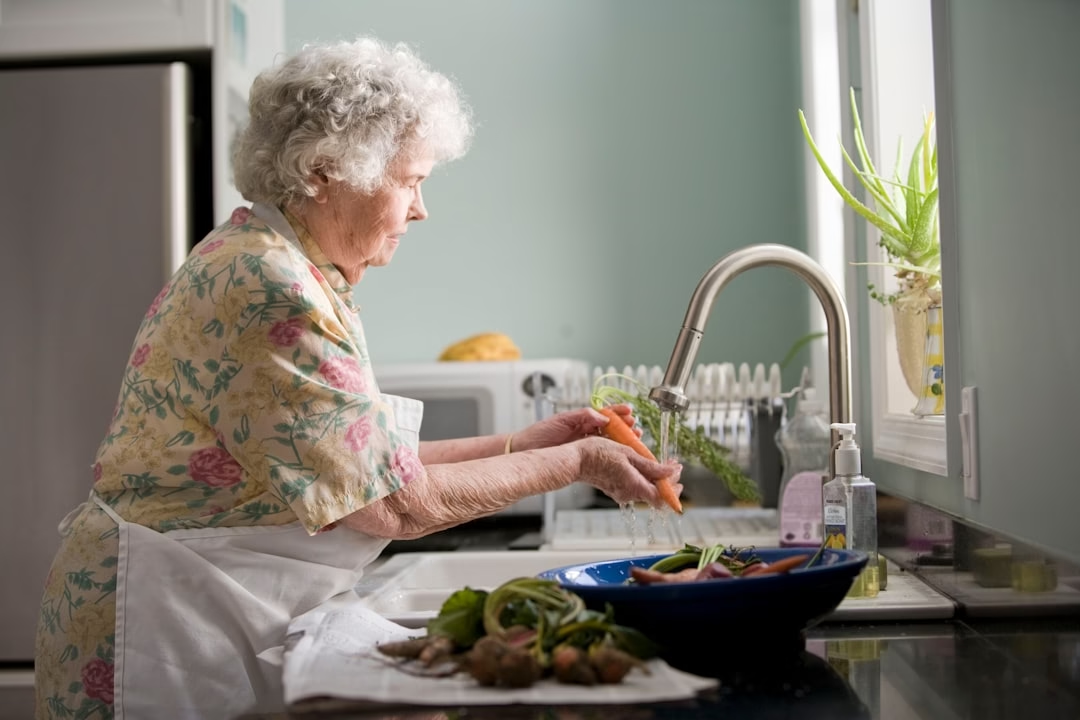
For seniors using specialized equipment like the ResMed AirFit F30i mask, ensure monitoring systems don’t interfere with therapy devices. Coordinate setup with healthcare providers to optimize both treatment and safety monitoring.
Elderly Living Alone Safety Advantages
The advantages of comprehensive elderly living alone safety systems extend beyond immediate protection. They significantly reduce hospital readmission rates by catching health issues early. This proactive approach aligns with Dubai Health Authority healthcare guidelines emphasizing preventive care.
Cost savings represent another substantial advantage. Preventing single emergency room visit often justifies entire system costs. Moreover, many seniors can delay or avoid moving to assisted living facilities, preserving independence while reducing long-term care expenses.
Psychological benefits include reduced anxiety for both seniors and family members. Knowing that professional monitoring and rapid response capabilities exist provides tremendous peace of mind. This emotional security enhances overall quality of life significantly.
Finally, these systems facilitate better healthcare management. Remote monitoring provides doctors with valuable data about patient conditions between visits. Consequently, they can make more informed treatment decisions, especially for seniors requiring consistent respiratory equipment and products for chronic conditions.
Common Monitoring Questions
Many families have questions about implementing safety systems. A common concern involves privacy implications. Reputable systems balance safety with privacy, only activating during potential emergencies and following strict data protection protocols.
Another frequent question addresses system reliability. Modern monitoring technology has advanced significantly, offering impressive accuracy rates. Regular testing and maintenance further enhance reliability, ensuring systems perform when needed most.
Cost considerations naturally arise when discussing safety systems. Fortunately, prices have decreased as technology has matured. Many systems offer flexible payment options, and some insurance providers contribute toward costs, recognizing their preventive value.
Compatibility questions often focus on existing medical equipment. Reputable monitoring systems design their products to work alongside therapeutic devices. The Health Authority Abu Dhabi regulations ensure medical devices meet compatibility standards for integrated care approaches.
Expert Safety Recommendations
Healthcare professionals recommend layered safety approaches combining multiple technologies. Start with basic emergency response systems, then add specialized monitoring based on individual health needs. This graduated approach ensures comprehensive protection.
Regular professional assessments help identify evolving safety requirements. As health conditions change, monitoring systems may need adjustments or upgrades. Schedule annual safety reviews with healthcare providers to maintain optimal protection levels.
Involve seniors in system selection and setup decisions. When elderly individuals understand and appreciate their safety systems, they’re more likely to use them consistently. This participation fosters acceptance and proper utilization of protective technologies.
Finally, establish clear emergency protocols with all involved parties. Define response procedures, contact hierarchies, and backup plans. For technical questions about integrating monitoring with medical equipment like oxygen concentrators, contact our respiratory specialists for personalized guidance.
Frequently Asked Questions
What is the most important feature in elderly living alone safety systems?
Automatic fall detection ranks among the most critical features since many falls go unreported when seniors cannot reach emergency buttons.
How reliable are medication dispensers?
Modern automated dispensers demonstrate excellent reliability when properly maintained. They significantly reduce medication errors and missed doses.
Can monitoring systems work with existing medical equipment?
Yes, most systems design compatibility with common medical devices. However, verify specific compatibility before purchasing any system.
What backup systems exist during power outages?
Quality systems include battery backups lasting 24-72 hours. Some offer cellular connectivity alternatives when internet service fails.
Are these systems difficult for seniors to operate?
Manufacturers prioritize user-friendly designs with simple interfaces. Many features operate automatically without requiring user intervention.
How do remote patient monitoring systems transmit data?
Most systems use secure internet connections to transmit encrypted health data to healthcare providers and designated family members.
Conclusion
Elderly living alone safety systems represent remarkable technological advancements supporting senior independence. These integrated solutions address multiple safety concerns through sophisticated monitoring and rapid response capabilities. Consequently, they provide invaluable peace of mind for both seniors and their families.
The evolution of safety technology continues bringing new innovations to market. Future developments will likely offer even more sophisticated monitoring with enhanced artificial intelligence capabilities. Therefore, staying informed about emerging technologies remains important for optimizing senior safety.
Implementing comprehensive elderly living alone safety requires careful planning and professional guidance. Consider individual health needs, home environment, and technological comfort levels when selecting systems. Most importantly, involve seniors in decision-making processes to ensure system acceptance and proper usage.
Remember that safety systems complement rather than replace human care and connection. Regular visits, phone calls, and social engagement remain essential components of senior wellbeing. For specialized equipment needs, explore our complete range of respiratory equipment and products designed to support health and independence at every life stage.