

Bariatric Patients Equipment Requirements – Complete Guide
Introduction
Looking for sleep apnea solutions? Bariatric patients equipment requirements demand specialized attention and understanding. These requirements ensure patient safety, comfort, and effective treatment outcomes. Consequently, healthcare providers must consider unique challenges when selecting medical equipment.
The UAE healthcare sector recognizes these specialized needs. Therefore, medical facilities increasingly invest in appropriate bariatric equipment. This investment aligns with UAE Ministry of Health medical standards for comprehensive patient care.
At Oxydubai, we understand these critical requirements. Our team serves 10,000+ UAE patients with premium respiratory equipment and products. We prioritize safety and effectiveness in every solution we provide.
Bariatric patients face unique respiratory challenges. Their equipment must accommodate larger body sizes while maintaining therapeutic efficacy. This guide explores the essential considerations for proper medical equipment selection.
Need Respiratory Solutions?
Understanding Bariatric Patients Equipment Requirements
Bariatric patients equipment requirements encompass several critical factors. First, weight capacity stands as the primary consideration. Standard medical equipment typically supports up to 350 pounds. However, bariatric equipment must accommodate significantly higher weights.
Secondly, physical dimensions require careful assessment. Equipment must provide adequate space for patient comfort. For instance, wider chairs and reinforced beds prevent discomfort and potential injury. These considerations align with World Health Organization respiratory health guidelines for patient safety.
Thirdly, therapeutic effectiveness remains paramount. Equipment must deliver consistent performance regardless of patient size. The ResMed AirSense 11 CPAP machine exemplifies this principle with its robust performance capabilities.
Finally, durability and longevity factor into equipment selection. Bariatric equipment undergoes greater stress during regular use. Therefore, construction quality and material strength become crucial decision points for healthcare providers.
Benefits of Specialized Medical Equipment
Specialized equipment offers numerous advantages for bariatric patients. Primarily, it enhances patient safety during treatment. Properly rated equipment reduces the risk of structural failure and subsequent injury.
Additionally, patient comfort significantly improves with appropriate equipment. Larger interfaces and better-fitting components prevent skin breakdown and pressure sores. The ResMed AirFit F30i mask addresses these comfort concerns effectively.
Moreover, treatment adherence increases with proper equipment. Patients feel more comfortable using devices designed for their specific needs. Consequently, they’re more likely to comply with prescribed therapy regimens.
Furthermore, specialized equipment extends product lifespan. Equipment designed for higher capacities lasts longer under normal use conditions. This durability represents a better long-term investment for healthcare facilities and patients alike.
Bariatric Patients Equipment Requirements Features
Bariatric patients equipment requirements include several distinctive features. Enhanced weight capacity represents the most obvious characteristic. Equipment must clearly state maximum weight limits for safe usage.
Secondly, reinforced structural components provide necessary support. Heavy-duty frames and strengthened joints prevent equipment failure. The ResMed Astral 150 ventilator incorporates such reinforced construction for reliable performance.
Thirdly, larger interface sizes ensure proper fit and function. Full-face masks, nasal pillows, and other patient interfaces come in extended sizes. These accommodate facial structures common among bariatric patients.
Additionally, advanced monitoring capabilities track therapy effectiveness. Modern equipment includes sophisticated sensors and reporting features. These help healthcare providers optimize treatment parameters for individual patient needs.
Specialized Equipment Specifications
Specialized equipment specifications demand careful consideration. Weight capacity ratings should exceed patient weight by a safety margin. This precaution accounts for dynamic loads during movement and position changes.
Furthermore, equipment dimensions must accommodate larger body sizes. Width, depth, and height measurements should provide comfortable usage. The Inogen One G5 portable oxygen concentrator offers compact design without compromising performance.
Additionally, power requirements may differ from standard equipment. Higher-capacity devices often need robust power supplies. These specifications must align with facility capabilities and backup power systems.
Moreover, operational parameters require verification against clinical needs. Flow rates, pressure settings, and oxygen concentrations must meet therapeutic requirements. Compliance with Dubai Health Authority healthcare guidelines ensures appropriate specifications selection.
Expert Medical Advice?
Setup and Maintenance Procedures
Proper setup ensures equipment functions correctly and safely. First, verify the equipment’s location can support its weight and size. Floor loading capacity and spatial arrangement require assessment.
Secondly, follow manufacturer instructions precisely during assembly. This includes torque specifications for bolts and proper alignment of components. The ResMed AirMini compact CPAP exemplifies straightforward setup procedures.
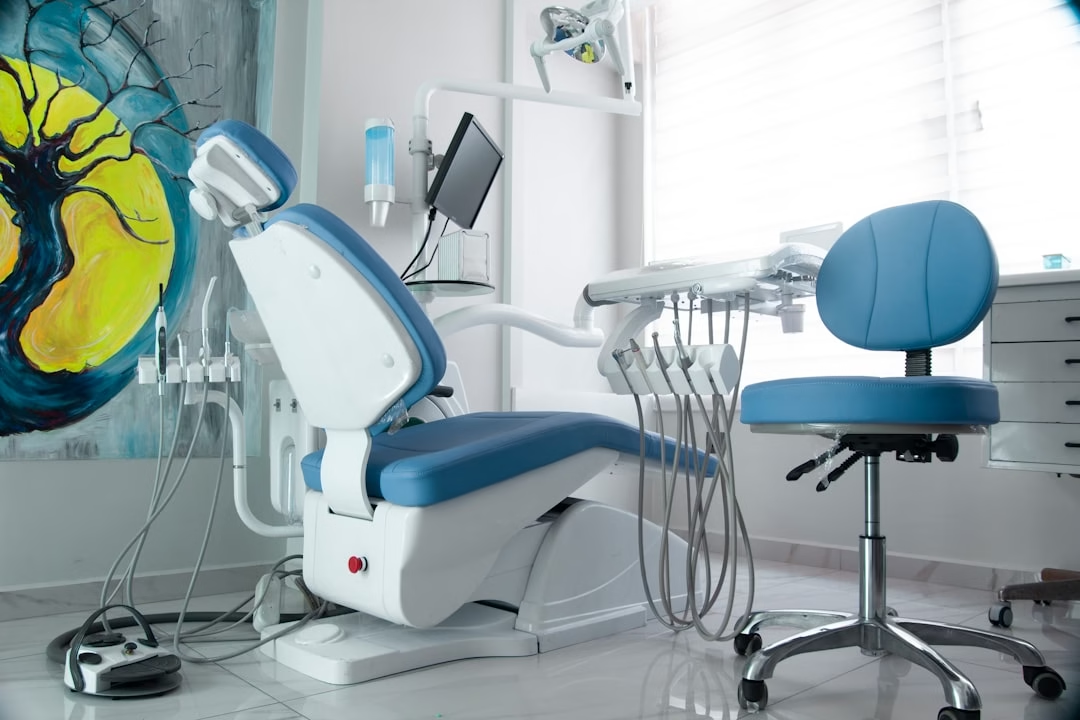
Thirdly, establish regular maintenance schedules according to manufacturer recommendations. These schedules should include structural inspections and functional testing. Consequently, potential issues get identified before they compromise patient safety.
Additionally, maintain detailed service records for all equipment. These records help track performance and plan preventive maintenance. They also demonstrate compliance with Health Authority Abu Dhabi regulations for medical equipment management.
Bariatric Patients Equipment Requirements Advantages
Bariatric patients equipment requirements offer significant clinical advantages. First, they enable effective treatment delivery regardless of patient size. This ensures therapeutic goals get achieved consistently.
Secondly, they reduce complication risks associated with standard equipment. Properly sized interfaces prevent skin breakdown and air leaks. Therefore, treatment efficacy improves while discomfort decreases.
Thirdly, they enhance patient confidence in their therapy. Patients feel secure using equipment designed specifically for their needs. This psychological benefit often translates to better treatment adherence.
Moreover, they provide economic benefits through extended equipment lifespan. Durable construction and appropriate capacity ratings reduce replacement frequency. Consequently, healthcare facilities achieve better resource utilization over time.
Common Questions and Concerns
Healthcare providers often have questions about bariatric equipment. First, many wonder about cost differences compared to standard equipment. While initial costs are higher, long-term value often justifies the investment.
Secondly, training requirements for specialized equipment raise questions. Manufacturers typically provide comprehensive training resources. Additionally, companies like Oxydubai offer ongoing support for equipment operation.
Thirdly, compatibility with existing systems requires clarification. Most modern bariatric equipment integrates seamlessly with standard medical systems. However, verification during procurement prevents integration issues.
Furthermore, maintenance complexity concerns some facilities. Actually, maintenance procedures resemble standard equipment protocols. The key difference involves more frequent structural inspections for safety assurance.
Expert Recommendations and Best Practices
Experts recommend several best practices for bariatric equipment. First, conduct thorough patient assessments before equipment selection. This includes weight, measurements, and specific clinical needs evaluation.
Secondly, choose equipment from reputable manufacturers with proven track records. Quality construction and reliable performance should outweigh cost considerations. The ResMed AirSense 11 CPAP machine represents such quality manufacturing.
Thirdly, implement regular staff training on proper equipment usage. Well-trained personnel ensure optimal equipment performance and patient safety. This training should cover setup, operation, and basic troubleshooting procedures.
Additionally, establish clear protocols for equipment inspection and maintenance. These protocols should align with UAE government healthcare regulations for medical devices. Regular audits ensure protocol adherence and identify improvement opportunities.
Frequently Asked Questions
What weight capacity should bariatric equipment have?
Equipment should exceed patient weight by at least 50-100 pounds as a safety margin. This accounts for dynamic loads during movement.
Are larger mask sizes available for CPAP therapy?
Yes, most manufacturers offer extended size ranges for masks and headgear. Proper fit is crucial for effective therapy.
How often should bariatric equipment be inspected?
Monthly visual inspections and comprehensive quarterly checks are recommended. However, follow manufacturer guidelines specifically.
Can standard beds be reinforced for bariatric patients?
Some beds can be reinforced, but purpose-built bariatric beds offer better safety and comfort features.
What are the key bariatric patients equipment requirements?
The key requirements include adequate weight capacity, larger interface sizes, reinforced structures, and appropriate therapeutic settings for effective treatment outcomes.
Does insurance cover specialized bariatric equipment?
Coverage varies by provider and policy. Many insurers recognize the medical necessity of appropriate equipment for bariatric patients.
Conclusion
Bariatric patients equipment requirements demand careful consideration and specialized solutions. These requirements ensure patient safety, treatment efficacy, and overall comfort. Consequently, healthcare providers must prioritize appropriate equipment selection.
The UAE healthcare system continues advancing in this specialized area. Compliance with local regulations and international standards remains crucial. Therefore, partnering with experienced equipment providers becomes essential.
At Oxydubai, we understand these complex bariatric patients equipment requirements. Our team provides expert guidance and premium products tailored to individual needs. We invite you to contact our respiratory specialists for personalized assistance.
Proper equipment selection transforms patient care experiences. It enables effective treatment while maintaining dignity and comfort. Ultimately, investing in appropriate bariatric equipment represents both clinical excellence and compassionate care.

