

Biosensors Continuous Medical Monitoring – Complete Guide
Introduction
Managing respiratory conditions in UAE? Modern healthcare increasingly relies on biosensors continuous medical monitoring. This technology provides real-time physiological data. Consequently, it enables proactive management of chronic illnesses. Patients and clinicians benefit from immediate insights. The World Health Organization respiratory health guidelines emphasize early detection. Therefore, continuous monitoring aligns with global best practices.
In the UAE’s advanced healthcare landscape, these innovations are vital. They support remote patient management and reduce hospital visits. For instance, integrated sensors in devices like the ResMed AirSense 11 CPAP machine track therapy adherence. Similarly, portable oxygen concentrators use biosensors to optimize delivery. This technology represents a significant leap forward in personalized medicine.
At Oxydubai, trusted by 10,000+ UAE patients with premium respiratory equipment and products, we integrate these advanced monitoring capabilities. Our devices provide not only therapy but also valuable health data. This empowers patients to take control of their wellbeing.
Need Respiratory Solutions?
Understanding Biosensors Continuous Medical Monitoring
Biosensors continuous medical monitoring combines biological sensing elements with transducers. This creates devices that detect analytes and convert signals into data. These systems operate continuously. Therefore, they provide a stream of information rather than single snapshots. This is crucial for managing fluctuating conditions like sleep apnea or COPD.
The core components include a biological recognition element and a physicochemical transducer. Additionally, modern systems incorporate wireless connectivity. For example, the ResMed AirMini compact CPAP uses embedded sensors to monitor breathing patterns. These devices comply with UAE Ministry of Health medical standards. This ensures patient safety and data reliability.
Ultimately, this technology transforms reactive healthcare into proactive wellness management. Patients receive immediate feedback on their physiological status. Meanwhile, clinicians access comprehensive data for informed decision-making.
Benefits of Advanced Physiological Tracking
Continuous monitoring offers numerous advantages for patients and healthcare systems. Firstly, it enables early detection of health deterioration. This allows for timely intervention before conditions become critical. Secondly, it empowers patients through visibility into their own health metrics. Consequently, adherence to therapy often improves significantly.
Another key benefit is the reduction in hospital readmissions. Remote monitoring identifies issues before they require emergency care. Furthermore, personalized data helps optimize treatment plans. Devices like the Inogen One G5 portable oxygen concentrator automatically adjust to patient activity levels. This ensures optimal oxygen saturation during daily life.
The Dubai Health Authority healthcare guidelines support telemedicine and remote monitoring. These technologies align with the UAE’s vision for accessible, efficient healthcare. Patients across the Emirates benefit from reduced travel and waiting times.
Biosensors Continuous Medical Monitoring Features
Modern biosensors continuous medical monitoring systems incorporate several advanced features. Real-time data transmission is fundamental. This allows immediate response to critical changes. Additionally, multi-parameter monitoring tracks various vital signs simultaneously. For instance, advanced ventilators like the ResMed Astral 150 ventilator monitor pressure, volume, and flow rates continuously.
Another crucial feature is seamless integration with clinical systems. Data flows directly into electronic health records. This eliminates manual entry errors. Moreover, customizable alert systems notify caregivers of predefined thresholds. These alerts can be tailored to individual patient needs and risk profiles.
Finally, user-friendly interfaces make these technologies accessible. Patients can easily interpret their data through simple dashboards. This promotes engagement and adherence to treatment protocols. The combination of these features creates a comprehensive monitoring ecosystem.
Advanced Monitoring System Specifications
Technical specifications determine the effectiveness of monitoring systems. Measurement accuracy is paramount. For example, oxygen saturation sensors must maintain precision within ±2%. Similarly, respiratory rate monitors should detect breaths accurately across various breathing patterns. These specifications are regulated by authorities like the Health Authority Abu Dhabi regulations.
Battery life is another critical specification. Wearable devices typically offer 24-72 hours of continuous operation. Furthermore, wireless range determines mobility within home environments. Most systems maintain connectivity within 30-50 meters. Data storage capacity is also important. Systems should retain several weeks of high-resolution data for trend analysis.
Compatibility with other medical devices ensures comprehensive care. For instance, CPAP masks like the ResMed AirFit F30i mask must interface properly with monitoring-capable machines. These technical considerations directly impact clinical utility and patient experience.
Expert Medical Advice?
Setup and Maintenance Protocols
Proper setup ensures accurate monitoring results. Firstly, device placement must follow manufacturer guidelines. For wearable sensors, skin preparation might be necessary. Secondly, calibration against known standards verifies initial accuracy. Additionally, pairing with mobile applications or clinical systems completes the setup process.
Regular maintenance preserves long-term reliability. Cleaning protocols prevent sensor drift and contamination. Furthermore, periodic recalibration maintains measurement precision. Battery management is also crucial. Rechargeable systems require proper charging cycles to maximize lifespan.
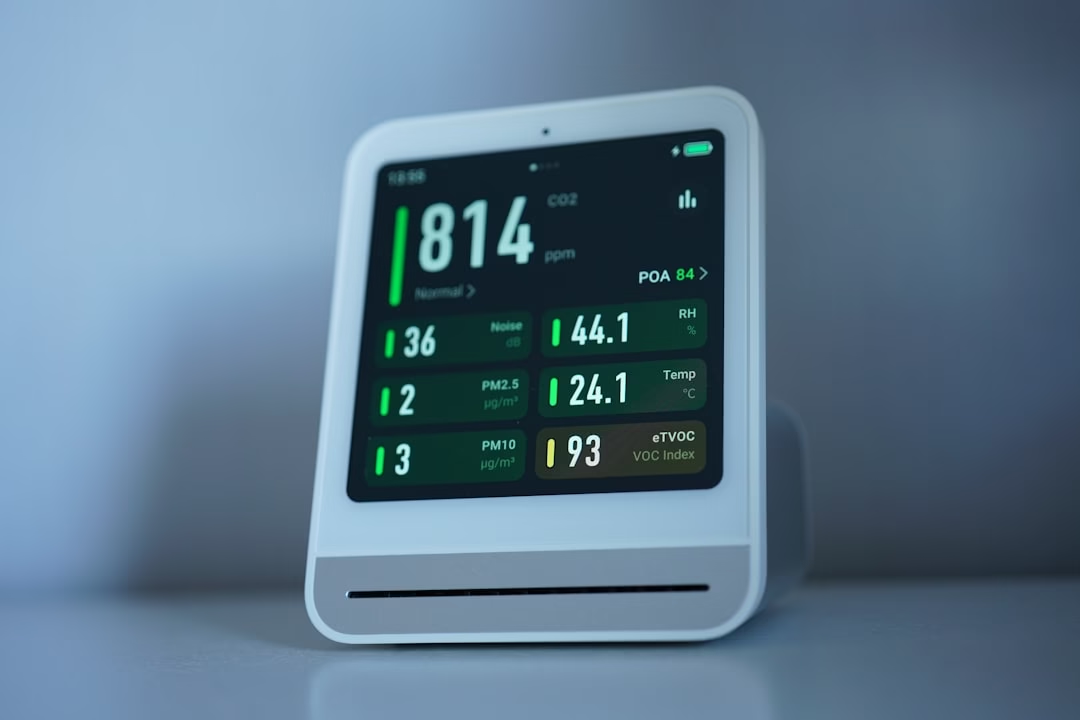
Technical support ensures ongoing functionality. Reputable suppliers provide comprehensive assistance. For example, Oxydubai offers setup guidance for all respiratory equipment and products. This support helps patients maximize the benefits of their monitoring systems. Following these protocols optimizes performance and data quality.
Biosensors Continuous Medical Monitoring Advantages
The biosensors continuous medical monitoring approach offers distinct clinical advantages. Primarily, it captures dynamic physiological changes that spot checks miss. For example, nocturnal oxygen desaturation in COPD patients often goes undetected without continuous tracking. Similarly, sleep apnea events are comprehensively documented throughout the night.
Another significant advantage is the ability to assess treatment efficacy objectively. Rather than relying on subjective patient reports, clinicians review detailed data. This enables precise therapy adjustments. Moreover, early warning systems detect subtle trends toward deterioration. Consequently, interventions can occur before emergencies develop.
These advantages align with UAE government healthcare regulations emphasizing preventive care. The technology supports value-based healthcare models focused on outcomes. Ultimately, continuous monitoring improves both quality of life and clinical results for patients with chronic conditions.
Common Questions About Monitoring Systems
Patients often have questions about implementing these technologies. A frequent concern involves data privacy and security. Reputable systems employ encryption and comply with data protection regulations. Another common question addresses comfort during extended wear. Modern devices prioritize ergonomic design and lightweight materials.
Many users inquire about interpretation of collected data. Healthcare providers typically review significant findings. However, patient-facing applications provide simplified metrics and trends. Additionally, people wonder about compatibility with existing treatments. These monitoring systems generally complement rather than replace established therapies.
Technical reliability is another area of inquiry. Quality systems demonstrate high uptime and minimal false alerts. Finally, patients ask about integration with clinical workflows. Seamless data transfer to healthcare providers is a standard feature in modern systems. These answers help users feel confident adopting monitoring technology.
Expert Recommendations for Implementation
Healthcare professionals provide valuable guidance for implementing monitoring systems. Firstly, they recommend starting with clear clinical objectives. Monitoring should address specific health questions or management goals. Secondly, involving patients in device selection improves engagement and adherence. Comfort and usability significantly impact long-term use.
Experts also emphasize the importance of clinical oversight. Data requires interpretation within the context of overall health. Furthermore, they suggest establishing response protocols for various alert levels. This ensures appropriate action when measurements exceed thresholds. Regular review of data trends optimizes treatment adjustments.
Finally, specialists recommend choosing devices from reputable manufacturers. Quality systems provide reliable data and clinical validation. For personalized advice on implementing biosensors continuous medical monitoring, contact our respiratory specialists. Our team helps select the most appropriate solutions for individual needs and conditions.
Frequently Asked Questions
How accurate is biosensors continuous medical monitoring data? High-quality systems provide clinical-grade accuracy when properly calibrated and used according to guidelines.
Can these systems replace doctor visits? No, they complement professional care by providing data between appointments for more informed consultations.
Are monitoring devices difficult to use? Modern designs prioritize user-friendliness with intuitive interfaces and simple operation procedures.
What conditions benefit most from continuous monitoring? Chronic respiratory conditions, cardiac issues, metabolic disorders, and post-surgical recovery show significant benefits.
How is data privacy maintained? Reputable systems employ encryption, secure transmission protocols, and compliance with healthcare privacy regulations.
What support is available for setup and troubleshooting? Providers like Oxydubai offer comprehensive support for all respiratory equipment and products including monitoring capabilities.
Conclusion
Biosensors for continuous medical monitoring represent a transformative healthcare technology. They bridge the gap between occasional clinical assessments and true physiological understanding. This approach enables personalized, proactive management of chronic conditions. Patients gain unprecedented visibility into their health status.
The UAE’s advanced healthcare infrastructure readily adopts these innovations. Integration with existing medical devices creates comprehensive monitoring ecosystems. From CPAP machines to portable oxygen concentrators, embedded sensors provide valuable insights. These technologies align with national healthcare priorities focusing on prevention and accessibility.
As biosensors continuous medical monitoring evolves, capabilities will expand further. Future developments may include more parameters, longer battery life, and enhanced analytics. Ultimately, these advances support better health outcomes and improved quality of life. For those managing respiratory conditions, this technology offers both reassurance and empowerment in daily health management.