

Volunteering for Respiratory Patients – Complete Guide
Introduction
Managing respiratory conditions in UAE? You possess a unique and powerful perspective. Your journey with respiratory health, whether involving COPD, asthma, or sleep apnea, equips you with invaluable insights. Consequently, you can transform personal experience into powerful support for others. This guide explores the meaningful world of volunteering for respiratory patients in the UAE.
The psychological benefits of helping others are well-documented. For individuals managing chronic conditions, these benefits are even more profound. Engaging in advocacy and peer support can significantly enhance your own sense of purpose and well-being. Meanwhile, the UAE’s healthcare landscape is rapidly evolving. There is a growing need for patient voices to shape policies and services. Your lived experience is an asset that can drive positive change.
From raising public awareness to offering a listening ear, your contribution matters. This article will guide you through various avenues where your experience can make a real difference. We will cover formal advocacy roles, informal peer support networks, and other creative ways to contribute. At Oxydubai, we support this spirit of community. We are trusted by 10,000+ UAE patients with premium respiratory equipment and products.
Need Respiratory Solutions?
Understanding Volunteering for Respiratory Patients
Volunteering for respiratory patients encompasses a wide range of activities. Fundamentally, it involves using your personal experience with a respiratory condition to assist and empower others. This is not about providing medical advice. Instead, it focuses on emotional support, shared experience, and systemic advocacy. Your journey can illuminate the path for someone else.
In the UAE, this can take several forms. You might join patient advisory committees at major hospitals. Alternatively, you could participate in awareness campaigns organized by health authorities. Another impactful avenue is providing peer support to newly diagnosed individuals. These roles help bridge the gap between clinical care and lived experience.
Furthermore, the UAE Ministry of Health increasingly values patient input. Your feedback can influence service development and quality improvement. For instance, sharing your experience with different ResMed AirSense 11 CPAP machine settings can help others. This collective knowledge strengthens the entire patient community.
Benefits of Patient Advocacy Work
Engaging in advocacy work offers profound personal rewards. Firstly, it provides a powerful sense of purpose. Transforming a personal health challenge into a force for good is incredibly empowering. This process can significantly improve your own mental health and coping mechanisms. Many volunteers report reduced feelings of isolation and helplessness.
Secondly, advocacy work enhances the healthcare system for everyone. By sharing your experiences, you help medical professionals understand the patient perspective more deeply. This can lead to more patient-centered care protocols and improved communication. Your input on the practicalities of using a Inogen One G5 portable oxygen concentrator in daily life is invaluable.
Finally, advocacy builds a stronger community. It connects you with other patients, caregivers, and healthcare professionals. These connections create a robust support network. According to the World Health Organization respiratory health guidelines, peer support is a key component of chronic disease management. Your voice contributes to a larger, more effective chorus calling for better care and understanding.
Volunteering for Respiratory Patients Features
The core features of volunteering for respiratory patients are diverse and flexible. A primary feature is peer-to-peer mentoring. This involves offering guidance and reassurance to individuals newly navigating conditions like sleep apnea or pulmonary fibrosis. You can share practical tips, from managing anxiety to traveling with a ResMed AirMini compact CPAP.
Another key feature is public awareness and education. You can participate in health fairs, school talks, or community events. The goal is to demystify respiratory conditions and reduce stigma. Sharing your story makes these conditions relatable. It encourages early diagnosis and promotes empathy within the wider community.
Additionally, policy advocacy is a critical feature. This might involve providing testimony to health authorities or participating in focus groups. The Dubai Health Authority healthcare guidelines are shaped by such real-world feedback. By highlighting challenges with equipment access or insurance coverage, you help create a more supportive environment for all patients.
Advocacy Work Specifications
To engage effectively in advocacy work, understanding the specifications is crucial. Typically, this work requires a commitment to confidentiality and ethical conduct. You must respect patient privacy and avoid giving medical advice. The role is about sharing experience, not prescribing treatment. This distinction is vital for safety and trust.
Time commitments can vary widely. Some roles, like serving on a quarterly hospital committee, require a few hours per month. Others, like organizing a support group, might demand more regular involvement. Fortunately, many opportunities are flexible. They can accommodate varying energy levels and health statuses.
Furthermore, successful advocacy aligns with local regulations. The Health Authority Abu Dhabi regulations provide a framework for patient engagement. Understanding these guidelines ensures your efforts are both effective and compliant. For example, discussing the benefits of a specific ResMed Astral 150 ventilator should be framed as personal experience, not a clinical recommendation.
Expert Medical Advice?
Setup & Maintenance of Support Networks
Establishing a sustainable peer support network requires careful setup. Begin by connecting with existing structures. Reach out to pulmonary rehabilitation centers, major hospitals, or established patient associations. These organizations often have the infrastructure to host and promote support groups. Collaboration is more effective than working in isolation.
Maintaining the network is an ongoing process. It requires consistent communication and a clear purpose. Utilize accessible platforms like WhatsApp groups or regular, low-pressure meetups. The focus should be on mutual support and shared learning. For instance, a session on optimizing comfort with a ResMed AirFit F30i mask can be very helpful.
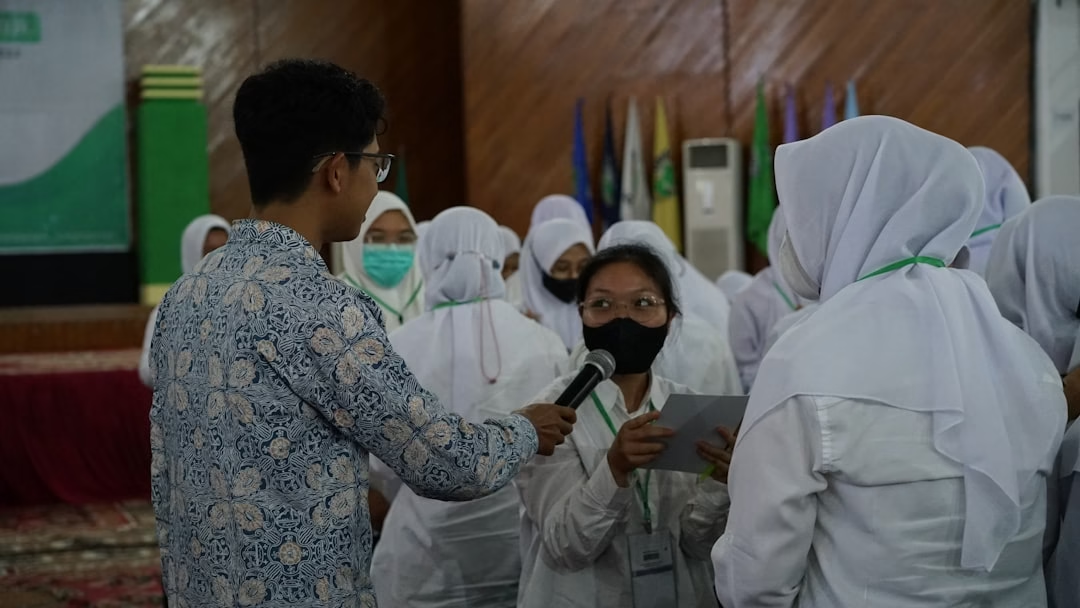
It is also essential to set boundaries for your own health. Volunteering should be enriching, not draining. Learn to recognize your limits and delegate tasks when needed. A well-maintained support network is resilient. It can adapt to the changing needs of its members and continue to provide value over the long term.
Volunteering for Respiratory Patients Advantages
The advantages of volunteering for respiratory patients are multi-faceted. For the volunteer, it fosters resilience and post-traumatic growth. Facing a health challenge can lead to a renewed sense of meaning. Helping others navigate a similar path solidifies this positive transformation. It turns a personal struggle into a communal asset.
For the recipient of support, the advantages are equally significant. Connecting with someone who truly understands their experience reduces fear and anxiety. Practical advice from a peer often feels more accessible than clinical instructions. Knowing that someone else manages a full life while using a respiratory equipment and products is powerfully motivating.
Finally, the broader healthcare system gains immensely. As outlined by the UAE government healthcare regulations, patient engagement leads to higher quality, more efficient care. Your feedback helps streamline services and improve patient satisfaction. This creates a virtuous cycle where everyone benefits from shared knowledge and experience.
Common Questions
Many potential volunteers have questions before they begin. A common concern is about not being an expert. Remember, your expertise lies in your lived experience, not medical knowledge. You are a guide, not a doctor. Your value is in empathy and practical wisdom, not clinical diagnosis.
Another frequent question involves time and energy. How can one volunteer while managing their own health? The key is to start small. Even a few hours a month can make a difference. Choose activities that align with your energy levels. Online support, for example, can often be done from home at your own pace.
People also wonder about the emotional toll. Will listening to others’ struggles worsen their own? In practice, the opposite is often true. Providing support can enhance your own coping skills and provide a positive distraction. Setting clear boundaries is essential. Knowing when to step back is part of sustainable volunteering.
Expert Recommendations
Experts in respiratory care strongly encourage patient involvement. They see firsthand how peer support improves adherence to treatment and overall quality of life. When patients connect, they share solutions for common problems. This collective problem-solving is a powerful adjunct to medical care.
It is recommended to partner with healthcare providers. Inform your pulmonologist or respiratory therapist about your interest in volunteering. They can often connect you with legitimate opportunities and resources. They can also provide guidance on the types of support that are most needed in your community.
Finally, experts advise focusing on your strengths. If you are a good listener, peer support may be your calling. If you are more comfortable with public speaking, consider advocacy and awareness. Your unique skills and personality make your contribution special. For any technical questions about equipment, always contact our respiratory specialists.
Frequently Asked Questions
I use oxygen therapy; can I still volunteer? Absolutely. Many volunteering roles are flexible and can be adapted to your mobility and energy levels. Online advocacy and peer support are excellent options.
Will I receive any training? Reputable organizations often provide basic training in communication, boundaries, and confidentiality. This prepares you for your role effectively.
Is there a minimum time commitment? This varies by organization. However, many roles are very flexible, allowing you to contribute as little or as much as you are able.
Can I volunteer if my condition is not stable? It is important to prioritize your own health. Volunteering should be a source of strength, not stress. Wait until you feel you have the capacity to support others without compromising your own well-being.
What are the best volunteering for respiratory patients opportunities in Dubai? Start by contacting major hospitals, the Dubai Health Authority, or established support groups for specific conditions like COPD or sleep apnea.
How do I handle questions about medical equipment? Share your personal experience but direct technical questions to professionals. For instance, you can describe how a device helped you, but recommend they contact our respiratory specialists for specific product advice.
Conclusion
Your journey with a respiratory condition has given you a unique and valuable perspective. Channeling this experience into volunteering for respiratory patients can be a profoundly rewarding endeavor. It transforms personal challenge into communal strength. You become a beacon of hope and a source of practical wisdom for others on a similar path.
The opportunities in the UAE are growing as the healthcare system increasingly values patient voices. Whether through formal advocacy, informal peer support, or public education, your contribution matters. It benefits your own mental well-being, provides crucial support to fellow patients, and helps build a more responsive and empathetic healthcare environment for all.
Take the first step today. Reach out to a local hospital or patient group. Explore what feels right for you. Remember, even small actions can create significant ripples of positive change. Your experience is powerful—share it and make a meaningful difference.

