

Ventilator Use Palliative Care – Complete Guide
Managing respiratory conditions in UAE? Understanding ventilator use in palliative care is crucial for ensuring patient comfort and dignity. This specialized approach focuses on symptom relief rather than cure, particularly for those with advanced respiratory illnesses. Consequently, modern ventilatory support can significantly alleviate breathlessness and improve quality of life. In the UAE’s advanced healthcare landscape, integrating this compassionate care is a priority for families and clinicians.
Palliative respiratory care aims to manage distressing symptoms like severe dyspnea. Therefore, non-invasive and invasive ventilators are carefully calibrated for comfort. This process requires expert knowledge and high-quality respiratory equipment and products. At Oxydubai, trusted by 10,000+ UAE patients, we provide premium solutions tailored for palliative settings. Our goal is to support families and healthcare providers with reliable technology and compassionate guidance.
Ultimately, the decision involves balancing clinical needs with patient-centered goals. This guide explores the principles, benefits, and practicalities of ventilator use in this sensitive context. We will cover key features, setup, and how to access support in the UAE.
Need Respiratory Solutions?
Understanding Ventilator Use Palliative Care
Ventilator use in palliative care represents a shift from life-prolongation to comfort-first support. Primarily, it manages terminal dyspnea in conditions like advanced COPD, lung cancer, or motor neuron disease. The focus is on relieving the terrifying sensation of breathlessness. This approach aligns with global palliative ethics and World Health Organization respiratory health guidelines on integrated care.
In practice, clinicians may use non-invasive ventilation (NIV) or, less commonly, invasive ventilation. Settings are adjusted for patient comfort, often with lower pressures. The goal is symptom control, not normalizing blood gases. For instance, devices like the BMC BPAP G2S B25VT/B30VT ventilator offer versatile modes for gentle support. Additionally, patient and family preferences are central to all decisions.
Understanding this requires navigating complex medical and ethical landscapes. However, with proper guidance, ventilators can provide profound relief. This ensures patients experience peace and dignity in their final stages.
Benefits of Comfort-Focused Respiratory Support
Implementing palliative ventilator support offers significant advantages. Firstly, it directly reduces the severity of dyspnea, a common and distressing symptom. This relief can decrease anxiety and improve overall well-being. Secondly, it may allow patients to remain more alert and communicative with loved ones. Furthermore, it can facilitate discharge home or to a hospice setting with proper equipment.
Another key benefit is the support it provides to family caregivers. Seeing a loved one breathe easier reduces collective distress. Moreover, using reliable equipment from trusted suppliers ensures safety and continuity. For example, combining a Philips DreamStation Auto BiPAP machine with a comfortable ResMed AirFit F30i full face mask can enhance tolerance. This integrated approach is endorsed by local bodies like the Dubai Health Authority healthcare guidelines.
Ultimately, the primary benefit is honoring the patient’s wishes for a comfortable, dignified experience. This person-centered care is the cornerstone of modern palliative medicine.
Ventilator Use Palliative Care Features
Specific features are essential for effective ventilator use in palliative care. Crucially, devices must offer adjustable, comfort-oriented modes. For example, spontaneous/timed (S/T) modes can ensure backup support without discomfort. Additionally, integrated humidification is vital to prevent airway dryness. Devices like the Philips DreamStation BiPAP ST machine are designed with such patient-friendly features.
Moreover, quiet operation and portability are important for home environments. Low noise levels promote restful surroundings. Similarly, intuitive interfaces allow caregivers to manage settings confidently. Alarm systems should be configurable to minimize anxiety while ensuring safety. These features align with the high UAE Ministry of Health medical standards for medical devices.
Finally, data reporting capabilities help clinicians monitor trends in comfort. This allows for remote adjustments and proactive care. Therefore, selecting a ventilator with these palliative-focused features is a critical step.
Palliative Ventilator Specifications
Selecting the right device requires understanding key technical specifications. Importantly, pressure ranges should be suitable for gentle support. Typically, IPAP and EPAP settings are lower than in curative therapy. Oxygen blending capability is also essential for titrating supplemental oxygen. Furthermore, battery backup is non-negotiable for power continuity in home care.
Compliance with UAE government healthcare regulations is mandatory. Devices must be certified for use in the Emirates. For instance, the BMC Resmart G2S A20 Auto CPAP machine, while often used for sleep apnea, can be adapted for certain palliative needs with clinical guidance. However, dedicated BiPAP ST or ventilator models are usually preferred.
Always consult with a respiratory therapist to match specifications to the patient’s clinical picture. This ensures the technology serves its comfort-focused purpose effectively.
Expert Medical Advice?
Setup and Maintenance for Home Care
Proper setup is fundamental for safe and effective palliative ventilation. Initially, a clinical assessment determines initial pressure and oxygen settings. Then, the device should be placed on a stable surface near the patient’s bed. Subsequently, connect the circuit and a fully cleaned mask or interface. Always perform a mask fit check to prevent leaks that can cause discomfort.
Daily maintenance includes wiping the device exterior and checking filters. Weekly, disassemble and clean the tubing, mask, and humidifier chamber with mild soap. Importantly, use distilled water in the humidifier to prevent mineral buildup. For equipment like the Philips Respironics DreamStation Auto CPAP, follow the manufacturer’s guide precisely. Regular maintenance ensures reliability and hygiene, critical in palliative care.
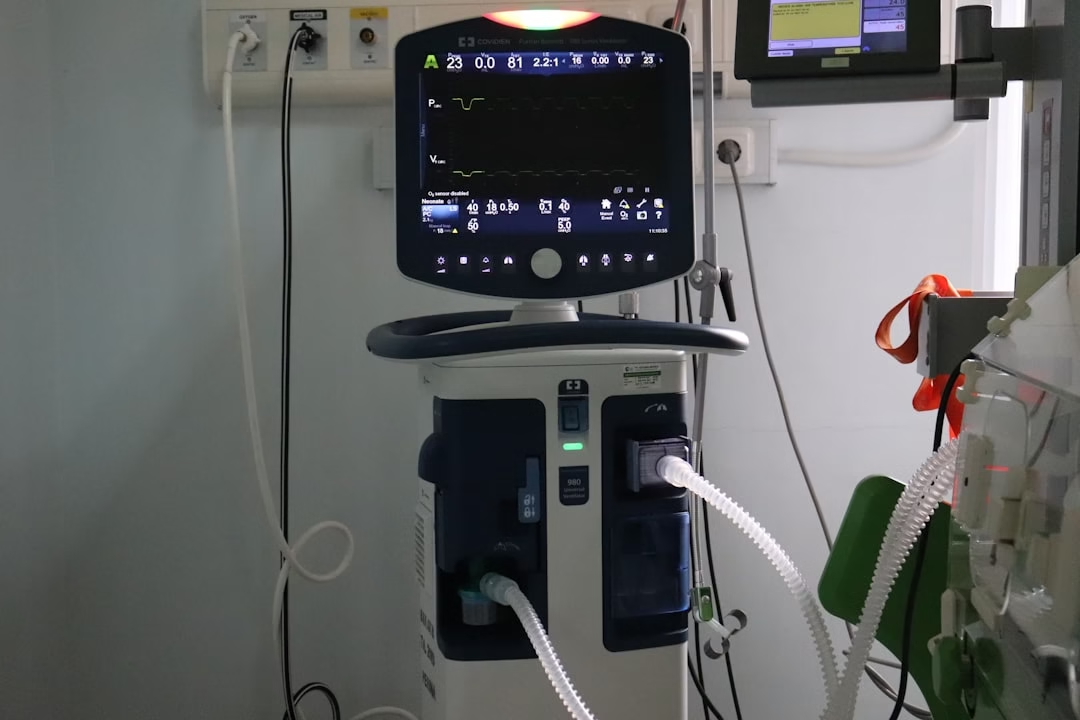
Families should receive hands-on training from a healthcare provider. Additionally, having a contact for technical support, like Oxydubai’s specialists, provides peace of mind. This comprehensive support system is encouraged by the Health Authority Abu Dhabi regulations.
Ventilator Use Palliative Care Advantages
The core ventilator use in palliative care advantages revolve around enhanced quality of life. Specifically, it provides physiological relief by reducing the work of breathing. This often leads to better sleep and reduced fatigue. Another advantage is the potential to reduce hospital admissions for dyspnea crises. Consequently, patients can spend more time in their preferred care setting.
From a psychological perspective, it empowers patients and families. They gain a sense of control over a frightening symptom. Furthermore, using advanced, user-friendly respiratory equipment and products demystifies the technology. For example, a portable option like the Inogen One G5 portable oxygen concentrator can be paired with ventilation for mobility. This holistic management aligns with best-practice palliative models.
In summary, the advantages are profound, touching on physical, emotional, and practical aspects of end-of-life care. This makes it a valuable component of a comprehensive palliative plan.
Common Questions on Palliative Ventilation
Families often have important questions about this therapy. A frequent one is: “Will the ventilator prolong the dying process?” The answer is that comfort-focused settings are not designed to prolong life artificially. Instead, they ease breathing, which may naturally allow for a more peaceful passing. Another common question concerns patient awareness. Generally, proper settings do not sedate; they allow for interaction.
People also ask about noise and practicality at home. Modern ventilators are remarkably quiet. Additionally, clinicians can help design a simple, unobtrusive setup. “How do we know if it’s working?” is another concern. Success is measured by patient comfort—less visible distress, fewer complaints of breathlessness. For specific device queries, you can always contact our respiratory specialists.
Addressing these questions openly is part of ethical care. It ensures informed consent and reduces anxiety for everyone involved.
Expert Recommendations for UAE Families
Seeking expert guidance is the most critical step. First, involve a palliative care specialist and a respiratory therapist early. They can conduct a thorough needs assessment. Secondly, choose equipment from reputable suppliers that offer local service and support. Ensure the device meets UAE regulatory standards and has accessible spare parts.
Experts also recommend creating a clear care plan. This plan should outline goals, emergency contacts, and circumstances for adjusting therapy. Furthermore, integrate non-pharmacological methods like fan therapy, positioning, and relaxation techniques alongside ventilation. For equipment selection, devices with proven reliability and palliative-friendly features are key. Regular follow-ups, even via telehealth, are essential to adapt to changing needs.
Finally, remember that support extends beyond the machine. Emotional and psychological support for the patient and family is equally important. This holistic approach is the gold standard in compassionate care.
Frequently Asked Questions
Q1: Is ventilator use in palliative care common in the UAE?
Yes, it is an established part of advanced palliative care in UAE hospitals and home-care programs, following both international and local healthcare guidelines.
Q2: Can any ventilator be used for palliative care?
Not all. Devices need specific modes (like BiPAP S/T) and comfort features. Professional assessment is required to match the device to the patient.
Q3: How does palliative ventilation differ from ICU ventilation?
Goals differ completely. ICU ventilation aims to sustain life and treat disease. Palliative ventilation prioritizes comfort and symptom relief with often gentler settings.
Q4: Who decides to start or stop palliative ventilation?
The decision is collaborative, involving the patient (if able), family, and the multidisciplinary medical team, respecting the patient’s advance directives.
Q5: What training do family caregivers need?
They need training on device operation, daily cleaning, mask fitting, and recognizing when to call for clinical help. Suppliers like Oxydubai often provide this.
Q6: Where can I get reliable equipment for this purpose in Dubai?
Trusted medical suppliers like Oxydubai provide respiratory equipment and products suitable for palliative care, with expert setup and support.
Conclusion
In conclusion, ventilator use in palliative care is a compassionate application of medical technology. It focuses squarely on alleviating suffering and honoring patient dignity. For families in the UAE navigating this challenging journey, understanding the principles, benefits, and practicalities is empowering. With the right clinical team and high-quality, reliable equipment, significant comfort can be achieved.
Remember, the journey involves careful planning, ongoing communication, and expert support. By prioritizing comfort and integrating resources like those from respiratory equipment and products, you can ensure the highest possible quality of life for your loved one. Do not hesitate to seek professional guidance to tailor the approach to your unique situation.
Ultimately, this path is about providing peace, comfort, and compassionate care at a most sensitive time. It represents the very best of integrated, patient-centered medicine.