

Ventilator Alarms Explained – Complete Guide
Looking for sleep apnea solutions? Understanding ventilator alarms is crucial for patient safety and effective respiratory therapy. These alerts are vital safeguards, designed to notify users of changes in pressure, volume, or device function. Consequently, they prevent potential complications. In the UAE’s diverse climate, where respiratory care is a priority, knowing how to respond to these alarms ensures continuous and safe treatment. At Oxydubai, trusted by 10,000+ UAE patients, we provide premium respiratory equipment and products alongside expert guidance. This guide will demystify ventilator alarms, empowering you with knowledge for confident management.
Need Respiratory Solutions?
Understanding Ventilator Alarms
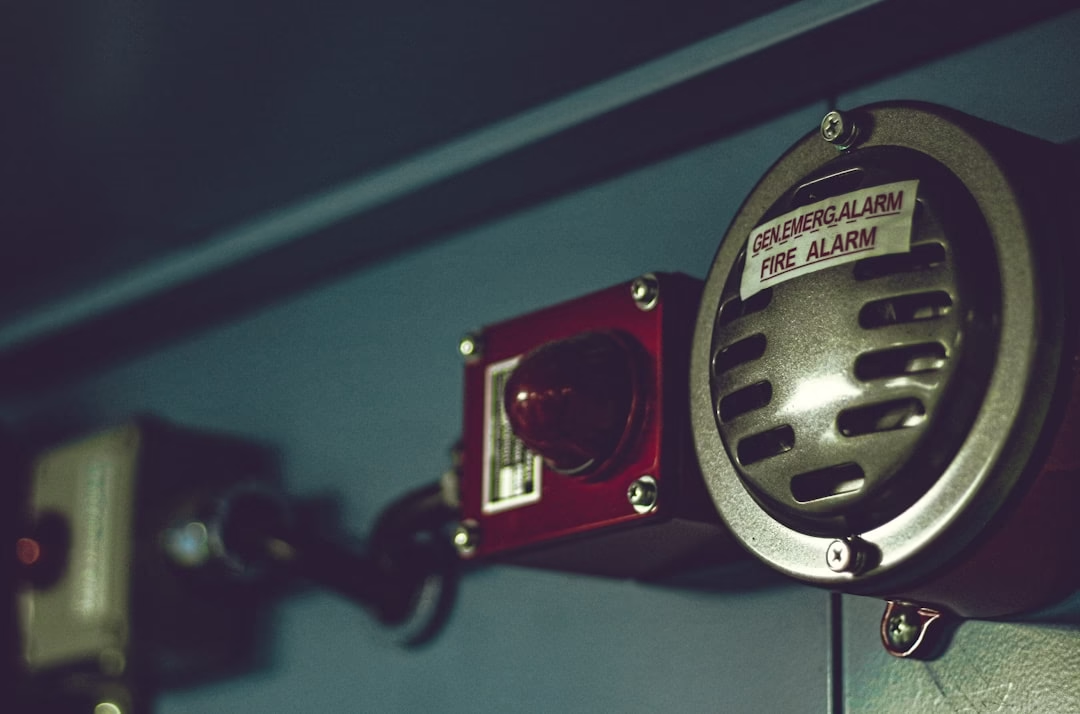
Ventilator alarms are critical notification systems. They monitor key parameters like air pressure, flow rate, and oxygen concentration. Essentially, they act as a first line of defense. For instance, a high-pressure alarm might indicate a blocked tube or coughing. Conversely, a low-pressure alarm often signals a disconnection or leak. Modern devices, like the Philips DreamStation Auto BiPAP machine, feature sophisticated multi-tier alarm systems. These systems categorize alerts by urgency—high, medium, or low priority. Understanding this hierarchy is the first step to a proper response. Furthermore, adhering to World Health Organization respiratory health guidelines emphasizes the global standard for such safety features.
Benefits of Alarm Systems
Advanced alarm systems offer immense benefits for patient care. Primarily, they enhance safety by providing immediate feedback. This allows for quick intervention, potentially preventing respiratory distress. Moreover, they offer peace of mind to both patients and caregivers. For example, a user of the Inogen One G5 portable oxygen concentrator can rest assured the device will alert them to any issue. Additionally, these systems support treatment adherence by ensuring the therapy is delivered correctly. They also provide valuable data for clinicians to review and adjust treatment plans. Ultimately, a reliable alarm system is a cornerstone of effective home-based respiratory therapy, aligning with Dubai Health Authority healthcare guidelines for patient monitoring.
Ventilator Alarms Features
Key ventilator alarms features include customizable thresholds and intuitive displays. Modern machines allow users to set personalized alarm limits based on their prescription. This customization is crucial for effective therapy. For instance, the BMC Resmart G2S A20 Auto CPAP machine offers detailed alert logs. These logs help track recurring issues. Another vital feature is distinct audible and visual signals for different alarm types. This ensures alerts are noticed even in low-light conditions. Furthermore, battery backup alarms are essential for power continuity. These integrated features work together to create a robust safety net, meeting the stringent UAE Ministry of Health medical standards for medical devices.
Alarm System Specifications
Technical specifications for alarm systems define their performance. Common specs include pressure range limits, typically measured in centimeters of water (cmH2O). Flow sensors detect minute changes in air volume. Oxygen concentrators, for example, monitor oxygen purity levels. Devices like the Philips Respironics DreamStation Auto CPAP specify exact sensitivity ranges for their sensors. Additionally, alarm volume, measured in decibels, must be sufficient to wake a sleeping user. Battery alarm specifications indicate the minimum charge level before an alert triggers. Understanding these specs helps users select the right equipment. Compliance with Health Authority Abu Dhabi regulations ensures all devices in the UAE meet these critical performance benchmarks.
Expert Medical Advice?
Setup and Maintenance
Proper setup and maintenance prevent false alarms. First, ensure all tubing connections are secure and the mask fits correctly. A leaky ResMed AirFit F30i full face mask can trigger low-pressure alerts. Regularly clean filters and replace them as scheduled. This prevents airflow obstruction. Secondly, calibrate device settings according to your clinician’s prescription. Incorrect settings are a common cause of unnecessary alarms. Additionally, keep the device’s firmware updated for optimal performance. Finally, place the ventilator on a stable surface away from direct air vents. Simple, consistent maintenance routines are the best defense against alarm malfunctions. This proactive approach is supported by UAE government healthcare regulations promoting patient education.
Ventilator Alarms Advantages
The primary advantages of ventilator alarms are safety, compliance, and empowerment. They provide a continuous safety check, which is especially vital during sleep. This allows for uninterrupted therapeutic efficacy. For complex conditions, devices like the Philips DreamStation BiPAP ST machine use alarms to ensure backup rates are delivered. Consequently, they improve therapy adherence and outcomes. Moreover, they empower patients to manage their health independently. Understanding alarms reduces anxiety and emergency hospital visits. Therefore, these systems are not just features but essential components of modern respiratory care. They represent a key investment in long-term health management and quality of life.
Common Questions Answered
Users frequently ask how to respond to common alarms. If a high-pressure alarm sounds, check for kinks in the tubing or if the mask is blocked. For a low-pressure alarm, verify all connections are tight. If an apnea alarm triggers on a device like the BMC BPAP G2S B25VT/B30VT ventilator, ensure the patient’s airway is clear. Many wonder if they can disable alarms; however, this is strongly discouraged. Instead, consult a specialist to adjust sensitivity settings safely. Another common question involves power failure alarms. Always have a backup power plan. For persistent issues, contact our respiratory specialists for professional support and troubleshooting.
Expert Recommendations
Experts recommend a structured approach to ventilator alarms. First, always keep the clinician’s manual accessible for reference. Second, conduct a nightly pre-use check of all equipment components. Furthermore, participate in training sessions offered by your equipment provider. This ensures you understand the specific alarms on your device. Experts also advise using equipment from reputable suppliers that offer after-sales support. Finally, never ignore recurring alarms, even if they seem minor. They can indicate a developing issue with the equipment or the patient’s condition. Proactive management, guided by expert advice, is the key to safe and effective long-term respiratory therapy.
Frequently Asked Questions
What should I do first when a ventilator alarm sounds? Stay calm. Identify the alarm type and message on the display. Then, check the patient and the basic connections immediately.
Can a power surge cause false alarms? Yes, electrical interference can sometimes trigger alerts. Using a voltage stabilizer is recommended in such cases.
How often do ventilator alarms need servicing? The alarm system itself is part of the device’s annual maintenance. However, sensors should be checked regularly as per the manual.
Are ventilator alarms loud enough to wake someone? Yes, they are designed to be. You can usually test the alarm volume during device setup to ensure it’s adequate.
What does a low minute volume alarm mean? This indicates the patient is not receiving enough air per minute. It could be due to a leak, disconnection, or change in breathing.
Where can I learn more about specific ventilator alarms for my device? Review your device manual or contact our respiratory specialists for model-specific training and support.
Conclusion
In summary, mastering ventilator alarms is essential for safe respiratory care. These systems are sophisticated safety nets that protect patients 24/7. By understanding their types, features, and proper responses, you transform from a passive user to an informed caregiver. This knowledge is particularly valuable in the UAE, where access to high-quality care and equipment is paramount. Remember, your ventilator is a partner in health, and its alarms are a vital form of communication. For continued support and access to reliable respiratory equipment and products, trust experienced providers. Ultimately, proper management of ventilator alarms ensures peace of mind and promotes the best possible health outcomes.

