

UPS Systems Medical Equipment Dubai – Complete Guide
Looking for sleep apnea solutions? A reliable UPS Systems Medical Equipment Dubai setup is not just an accessory; it’s a critical component of your respiratory care. Consequently, power interruptions in the UAE can disrupt essential therapy, posing serious health risks. Therefore, protecting devices like CPAP machines and oxygen concentrators with an uninterruptible power supply (UPS) is paramount for continuous, safe treatment. Moreover, proper sizing ensures your equipment runs seamlessly through outages and voltage fluctuations.
In the UAE’s dynamic climate, where summer storms and grid maintenance can cause unexpected blackouts, a UPS acts as your first line of defense. Importantly, medical-grade protection differs from standard computer backups. It requires specific calculations for battery runtime and pure sine wave output to safeguard sensitive electronics. For instance, a ResMed AirSense 11 CPAP machine has different power needs than a powerful ventilator.
At Oxydubai, trusted by 10,000+ UAE patients, we provide premium respiratory equipment and products and the expertise to keep them running. This guide will help you select and size the perfect UPS for home medical use.
Need Respiratory Solutions?
Understanding UPS Systems Medical Equipment Dubai
An Uninterruptible Power Supply (UPS) for medical equipment is a battery-backed system that provides instant power during a mains failure. Essentially, it bridges the gap until power restores or allows for a safe device shutdown. For medical devices, this functionality is non-negotiable. The World Health Organization respiratory health guidelines emphasize the importance of continuous therapy for chronic conditions.
In Dubai and across the UAE, common power issues include short outages, voltage sags, and surges. These can damage sensitive circuitry in devices like the Inogen One G5 portable oxygen concentrator. Therefore, a UPS does more than provide backup; it also conditions incoming power. Specifically, a pure sine wave output is crucial for the motors and compressors in medical devices, ensuring they operate smoothly and efficiently.
Understanding your specific UPS Systems Medical Equipment Dubai needs starts with your device’s power label. Look for the voltage (V), and current (A) or wattage (W). Remember, sizing is about both capacity (VA/Watts) and required runtime (minutes/hours).
Benefits of Uninterruptible Power Protection
The primary benefit is, of course, uninterrupted therapy. For sleep apnea patients, a CPAP machine stopping mid-therapy can cause immediate airway collapse and dangerous sleep fragmentation. Similarly, a ventilator user relies on absolute continuity. A UPS eliminates this risk, providing peace of mind and safety.
Furthermore, high-quality UPS systems offer surge protection and voltage regulation. In other words, they shield expensive medical equipment from power spikes that can cause irreversible damage. This protection extends the lifespan of your investment, whether it’s a ResMed Astral 150 ventilator or a compact CPAP. Additionally, consistent power ensures devices operate at peak performance, delivering the prescribed therapy pressure or oxygen concentration without fluctuation.
Compliance with Dubai Health Authority healthcare guidelines often involves ensuring critical medical devices have contingency plans. A properly sized UPS is a key part of that plan for home-based care.
UPS Systems Medical Equipment Dubai Features
Selecting the right UPS Systems Medical Equipment Dubai solution requires attention to specific features. First and foremost, the output waveform must be a pure sine wave. Many cheaper UPS units produce a simulated or stepped sine wave, which can damage or cause inefficient operation in medical device motors.
Secondly, consider the connectivity and alarms. Look for a UPS with sufficient outlets (both battery-backed and surge-only) and clear audible/visual alerts for power events. Moreover, hot-swappable batteries are a valuable feature for extended outages, allowing you to change batteries without shutting down connected equipment. For devices like the ResMed AirMini compact CPAP, a compact UPS with DC output options can be ideal for travel within the region.
Finally, software and monitoring capabilities allow you to track power quality and battery health from a smartphone. This proactive feature helps you maintain your system before an emergency arises.
Uninterruptible Power Supply Specifications
Decoding specifications is crucial for correct sizing. The two key ratings are VA (Volt-Amps) and Watts. VA represents the apparent power, while Watts represent the real power consumed. Medical devices are typically rated in Watts. As a rule, the UPS’s Watt rating should exceed your device’s consumption by at least 20-25%.
For example, a typical CPAP machine without humidification may use 30-60 Watts. However, adding heated humidification can double or triple that draw. Therefore, always calculate based on the maximum possible load. Runtime is determined by the battery capacity (Ah) and the load. Manufacturers provide runtime charts; for medical use, aim for a minimum of 30-60 minutes to handle most common outages.
These specifications must align with UAE Ministry of Health medical standards for electrical safety. Always choose a UPS from a reputable brand that complies with international safety certifications (like CE, IEC).
Expert Medical Advice?
Setup and Maintenance Best Practices
Proper setup begins with placement. Install your UPS in a cool, dry, well-ventilated area, away from direct sunlight. Then, connect only the essential medical device to the battery-backed outlets. Peripheral items like a humidifier or bedside lamp can go on surge-only outlets. Importantly, perform an initial test by unplugging the UPS from the wall to verify it powers your device correctly.
Regular maintenance is simple but vital. Most UPS units have a self-test button; use it monthly. Additionally, keep the unit free of dust, and check the battery status indicator regularly. Typically, sealed lead-acid batteries in a UPS last 3-5 years. Plan for replacement before they fail completely. For integrated systems with devices like the ResMed AirFit F30i mask and its machine, consistent power ensures optimal performance and comfort.
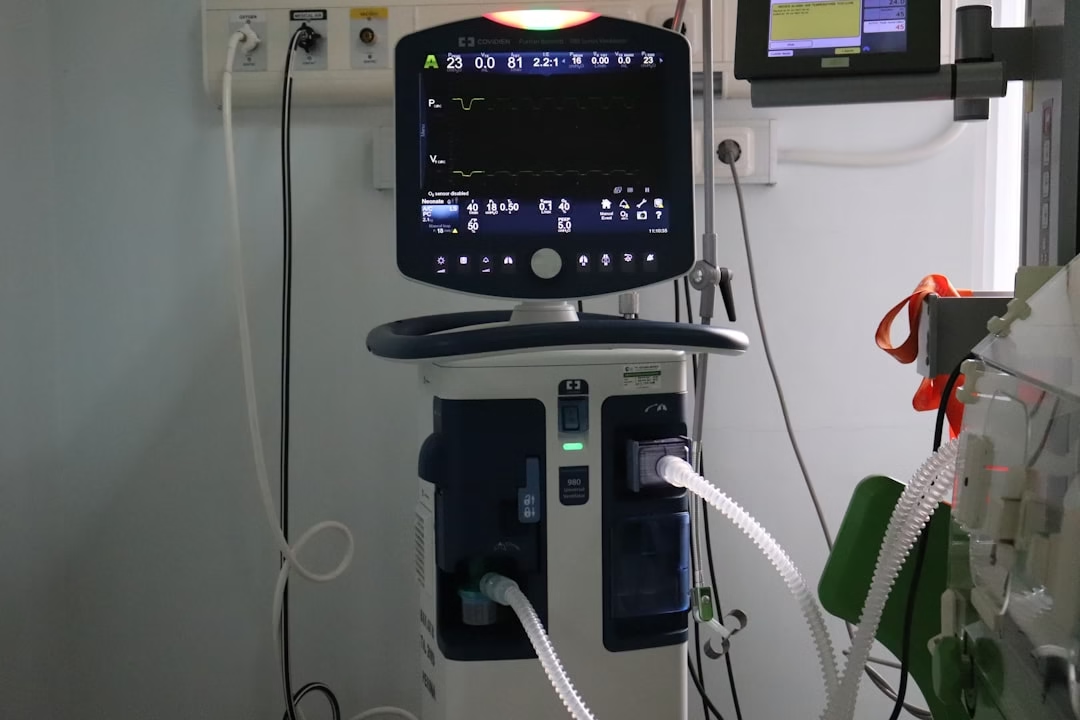
Following the manufacturer’s guidelines and Health Authority Abu Dhabi regulations for medical device environments ensures safe and reliable operation for years.
UPS Systems Medical Equipment Dubai Advantages
The advantages of implementing a robust UPS Systems Medical Equipment Dubai plan are comprehensive. Primarily, it guarantees clinical safety by preventing therapy interruption. This is the core advantage for managing conditions like sleep apnea, COPD, or respiratory failure.
From a practical standpoint, it protects your financial investment. Medical equipment represents a significant cost. A UPS is a relatively small investment that prevents costly repairs or replacements due to power damage. Moreover, it reduces anxiety for both patients and caregivers. Knowing your life-sustaining equipment will function through the night, regardless of external power conditions, is invaluable.
Finally, it supports independence. Patients relying on home-based care can live confidently, adhering to UAE government healthcare regulations that promote safe home treatment environments. This independence is a key benefit of reliable power protection.
Common Questions on Medical UPS Systems
Q: Can I use a regular computer UPS for my CPAP?
A: It’s not recommended. Computer UPS often use modified sine waves, which can damage CPAP motors and cause buzzing or overheating. Always choose a pure sine wave UPS for medical equipment.
Q: How long will a UPS power my oxygen concentrator?
A: Runtime depends on the concentrator’s wattage and the UPS’s battery capacity. A typical 5-liter concentrator may use 350-500 Watts. You need a large-capacity UPS for meaningful runtime, often only 10-20 minutes. For extended outages, consult specialists about external battery packs.
Q: Do I need an electrician to install a UPS?
A> Usually not. Most home UPS systems are plug-and-play. However, ensure your wall outlet is properly grounded. For high-wattage devices or complex setups, professional advice is wise.
Expert Recommendations for UAE Residents
For UAE residents, we recommend a tiered approach. First, always prioritize a pure sine wave UPS from a known brand like APC, CyberPower, or Eaton. Secondly, oversize your UPS by 25-30% above your device’s maximum wattage. This provides headroom for future accessories and ensures the UPS isn’t stressed.
Consider your local power history. If you experience frequent, long outages, invest in a UPS with extended runtime options or connectible external battery units. For critical life-support devices, a backup generator may be a necessary complement to the UPS, which provides the instantaneous switchover.
Most importantly, consult with experts who understand both medical devices and power solutions. At Oxydubai, our team can help you match your specific respiratory equipment and products with the ideal UPS. Don’t guess with your health; get a professional assessment to ensure your UPS Systems Medical Equipment Dubai setup is correctly configured for safety and reliability.
Frequently Asked Questions (FAQ)
Q: What size UPS do I need for a standard CPAP machine?
A: For a CPAP with humidifier (approx. 90-150W), a 600-900 VA/300-450 Watt pure sine wave UPS is a good start, offering 30-90 minutes of runtime.
Q: Can a UPS protect my equipment from voltage fluctuations?
A: Yes, quality UPS systems with AVR (Automatic Voltage Regulation) will correct minor highs and lows without using the battery, protecting your gear.
Q: Is a UPS Systems Medical Equipment Dubai solution necessary if I have a power stabilizer?
A: Yes. A stabilizer only regulates voltage; it provides zero backup power during a blackout. A UPS does both.
Q: How do I calculate the total watts for my setup?
A: Add the wattage of all devices that must run simultaneously (e.g., CPAP + humidifier + possibly a nebulizer). Check each device’s label or manual.
Q: Are there silent UPS options for the bedroom?
A: Yes. Most modern UPS are silent when on utility power and only emit a soft hum or alarm when on battery. Check noise ratings before purchase.
Q: Where can I get help choosing the right UPS in Dubai?
A> You can contact our respiratory specialists at Oxydubai. We provide tailored advice for protecting your specific medical equipment.
Conclusion
In summary, securing an uninterruptible power supply for your medical equipment is a critical step in managing respiratory health at home in the UAE. A correctly sized and selected UPS Systems Medical Equipment Dubai system ensures your CPAP, oxygen concentrator, or ventilator operates without interruption, safeguarding your therapy and your peace of mind. The process involves understanding your device’s power needs, choosing a pure sine wave unit with adequate capacity, and following simple maintenance practices.
Ultimately, this investment protects both your health and your valuable medical devices from the unpredictable nature of power grids. By taking proactive steps today, you can create a safer, more reliable home care environment. For personalized guidance on selecting the perfect UPS for your respiratory equipment and products, reach out to our team. We are here to help you breathe easier, no matter what.