

The Role of Medical Equipment in Enhancing Patient Care at Home
The Role of Medical Equipment
Home-based care relies on a diverse array of tools and technologies. These range from simple mobility aids to sophisticated remote monitoring systems. This equipment enables patients to manage chronic conditions, recover from procedures, and maintain quality of life. Proper implementation is crucial for achieving positive health outcomes and ensuring patient safety. Therefore, understanding the scope and application of these devices is essential for caregivers and patients alike.
Understanding The Role of Medical Equipment
Home medical equipment encompasses devices prescribed by a healthcare provider. These tools facilitate recovery, manage chronic illness, and improve daily functioning. Common categories include monitoring devices, mobility aids, and respiratory equipment. For instance, blood pressure cuffs and glucose meters are fundamental for chronic disease management. Meanwhile, walkers and hospital beds directly support patient mobility and comfort.
The selection of appropriate devices is a critical first step. It must align with the patient’s specific medical condition and home environment. A proper assessment by a qualified professional is indispensable. You can access our professional resources for detailed guidance on equipment selection. This ensures the tools are both effective and user-friendly for the home setting.
The Role of Medical Equipment Benefits
Adopting medical devices at home offers multifaceted advantages. Primarily, it significantly enhances patient independence and overall quality of life. Individuals can perform daily activities with greater confidence and security. Consequently, this reduces the reliance on constant caregiver presence or frequent hospital readmissions. The psychological benefits of being in a familiar environment also contribute to faster recovery times.
Moreover, these tools provide invaluable data for healthcare providers. Continuous monitoring can reveal trends that might be missed during occasional office visits. This proactive approach allows for timely interventions. It can prevent minor issues from escalating into serious medical emergencies. This aligns with the World Health Organization workplace standards for preventive care and health promotion.
How The Role of Medical Equipment Works
Medical devices function by supporting specific physiological functions or gathering health data. Vital sign monitors, for example, track key metrics like heart rate and oxygen saturation. This data is often transmitted electronically to healthcare teams. Therefore, it enables real-time assessment without the patient leaving their home. This seamless flow of information is a cornerstone of modern telehealth.
Other equipment, like CPAP machines for sleep apnea, work by delivering therapeutic air pressure. They ensure the patient’s airways remain open during sleep. Similarly, specialized beds and lifts assist with patient positioning and transfers. They minimize physical strain on both the patient and their caregivers. Proper usage is paramount and often requires expert consultation for optimal setup and operation.
Best The Role of Medical Equipment Practices
Successful home care depends on more than just owning the right tools. Adherence to best practices ensures safety, efficacy, and device longevity. First, always follow the manufacturer’s instructions for use and maintenance. Regular cleaning and calibration are non-negotiable for accurate readings and infection control. Additionally, patients and caregivers must receive comprehensive training on proper operation.
Furthermore, establishing a routine for device usage and data recording is highly beneficial. This creates a consistent care schedule and reliable data for medical review. It is also wise to have a backup plan for power outages or device failure. Understanding these protocols is as important as the equipment itself. These operational standards often reflect principles found in International Labour Organization guidelines on safety and ergonomics.
The Role of Medical Equipment Implementation
Implementing a home medical equipment program requires careful planning. The process begins with a thorough clinical assessment by a qualified professional. This evaluation determines the precise needs of the patient. Next, the correct devices must be sourced from reputable suppliers. Ensuring compatibility with the patient’s lifestyle and physical capabilities is crucial for adoption.
Then, the physical setup of the equipment must be addressed. The home environment may need modifications for accessibility and safety. Proper installation is critical to prevent accidents and ensure device functionality. Finally, ongoing support and follow-up are essential. Patients should know how to troubleshoot common issues and when to seek help. To begin this process, you can schedule appointment with our specialists.
Advanced The Role of Medical Equipment Strategies
The frontier of home-based care is rapidly expanding with advanced technologies. Telehealth platforms integrate with medical devices for seamless virtual visits. Remote patient monitoring systems automatically transmit data to cloud-based portals. This allows clinicians to monitor a patient’s status from a distance. Consequently, it enables more personalized and responsive care management.
Moreover, smart medication dispensers can improve adherence by providing alerts and doses. Wearable technology continuously tracks activity levels, heart rhythms, and falls. These innovations represent a significant leap forward in proactive healthcare. The economic impact of such technologies is often analyzed in World Bank economic reports, highlighting their cost-saving potential.
The Role of Medical Equipment Success Tips
Achieving success with home medical equipment involves several key strategies. First, maintain open communication with your healthcare team. Report any device malfunctions or changes in your condition immediately. Additionally, keep a detailed log of readings and any notable symptoms. This information is invaluable during medical consultations and for tracking progress over time.
Furthermore, involve family members or caregivers in the training process. A support system ensures continuity of care if the primary user is unable to operate the device. Stay informed about updates or recalls related to your equipment. Proactive engagement significantly enhances the overall effectiveness of your home care plan. Understanding the regulatory landscape, similar to UAE government employment regulations, can also inform your choices.
Future of The Role of Medical Equipment
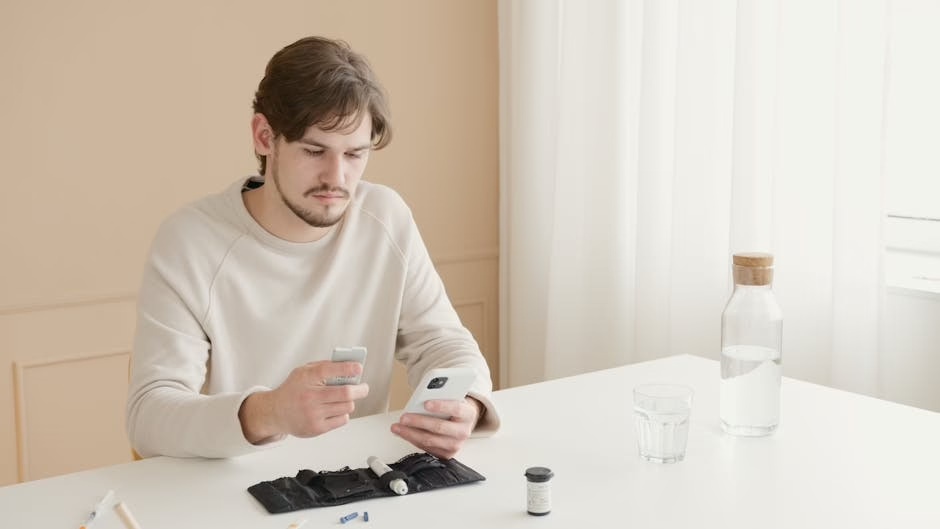
The future of home-based medical technology is incredibly promising. Innovation is focused on greater connectivity, intelligence, and user-friendliness. We anticipate a rise in AI-driven devices that can predict health events. These systems will offer personalized recommendations and automated alerts to both patients and providers. This will further decentralize healthcare and empower individuals.
Integration with smart home ecosystems is another developing trend. Voice-activated controls and automated environmental adjustments will enhance accessibility. The goal is to create a fully supportive and responsive home health environment. The global trade and development of these technologies are tracked by entities like the U.S. Department of Commerce trade information.
Frequently Asked Questions
What types of medical equipment are commonly used at home?
Common home medical equipment includes blood pressure monitors, glucose meters, CPAP machines, wheelchairs, walkers, hospital beds, and oxygen concentrators. These devices support the role of medical equipment in managing chronic conditions and aiding recovery.
How do I get medical equipment for home use?
Typically, a doctor must prescribe the equipment. Then, you can obtain it through a medical supply company or durable medical equipment provider. Insurance often covers prescribed devices that are medically necessary for home care.
Who can train me to use home medical equipment?
The medical supply company often provides initial training. Additionally, nurses, physical therapists, or other healthcare professionals can offer instruction. It is a critical part of the role of medical equipment implementation for safe and effective use.
Will my insurance cover the cost of home medical equipment?
Many insurance plans, including Medicare and Medicaid, cover durable medical equipment if it is prescribed by a doctor for home use. Coverage details vary, so always check with your insurance provider for specific policy information.
How do I maintain and clean home medical equipment?
Always follow the manufacturer’s specific cleaning instructions. Generally, use mild soap and water for surfaces. For devices like CPAP machines, specific disinfecting solutions are required. Proper maintenance is a best practice for the role of medical equipment.
What should I do if my medical equipment stops working?
First, consult the user manual for troubleshooting tips. If the problem persists, contact the equipment supplier or your healthcare provider immediately. Have a backup plan for critical devices, such as knowing where to access a replacement quickly.
Conclusion
The integration of medical devices into home care is a vital component of modern medicine. It empowers patients, improves outcomes, and optimizes healthcare resources. The role of medical equipment provides the necessary foundation for safe and effective independent living. As technology advances, these tools will become even more intuitive and interconnected. Therefore, embracing this model is key to the future of personalized healthcare.
Proper implementation requires knowledge, planning, and ongoing support. We encourage you to take proactive steps in exploring these options for yourself or your loved ones. For personalized advice and to ensure you have the right equipment for your needs, contact our team today. Leverage the power of home-based care to enhance health, independence, and overall well-being.