Telemedicine in Dubai: Remote Monitoring for Oxygen Patients
Telemedicine in Dubai
Dubai’s healthcare system is rapidly evolving. Telemedicine represents a significant leap forward. This is particularly true for patients requiring oxygen therapy. Chronic respiratory conditions demand constant monitoring. Telemedicine in Dubai offers a modern solution. It bridges the gap between clinic and home. However, many patients remain unaware of its full potential. Additionally, the integration of remote monitoring is transforming patient outcomes. Furthermore, this guide explores the specific application for oxygen patients. We will examine the benefits and practical implementation of telemedicine in Dubai for remote monitoring of oxygen patients.
Understanding Telemedicine in Dubai
Telemedicine involves delivering healthcare remotely. It uses digital communication technologies. Patients and doctors connect virtually. This is ideal for chronic condition management. Dubai has embraced this model enthusiastically. The Dubai Health Authority (DHA) supports its adoption. Therefore, regulatory frameworks are well-established. This ensures patient safety and data security. Specifically for oxygen therapy, it enables continuous oversight. Doctors can track oxygen saturation levels from afar. Consequently, they can make timely interventions. This proactive approach prevents complications.
Telemedicine in Dubai Benefits
The advantages of this system are profound. Patients experience enhanced convenience and safety. They avoid frequent hospital trips. This is crucial for immunocompromised individuals. Moreover, remote monitoring provides real-time data. Physicians receive alerts for abnormal readings. For example, a sudden drop in SpO2 triggers an immediate response. This can prevent hospitalizations. Additionally, it empowers patients. They become active participants in their own care. Family members also gain peace of mind. They know their loved one is being monitored constantly. The overall quality of life improves significantly.
How Telemedicine in Dubai Works
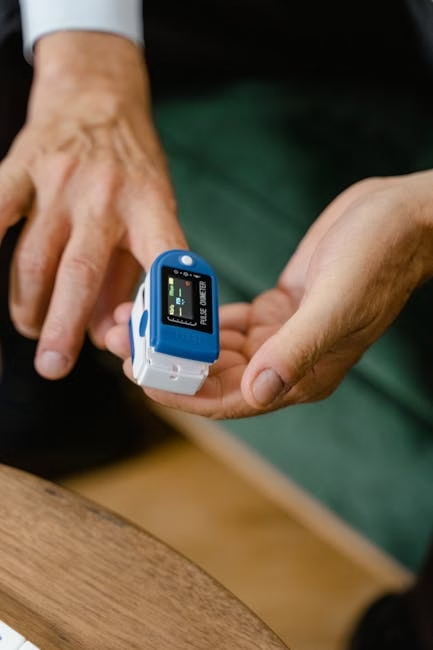
Implementing remote monitoring is straightforward. Patients use prescribed medical devices at home. These include pulse oximeters and wearable sensors. Data is transmitted securely to a central platform. Healthcare providers access this information through dashboards. They review trends and vital signs daily. Alerts are configured for critical values. If a parameter is breached, the clinical team is notified. They then contact the patient directly. This process ensures continuous care. It also integrates seamlessly with existing respiratory equipment and products. Therefore, the system is both efficient and effective.
Best Telemedicine in Dubai Practices
Success depends on following established protocols. First, patient education is essential. Individuals must understand how to use their devices. They need to know when to seek help. Second, technology must be reliable. Internet connectivity and device batteries must be checked regularly. Third, clear communication channels between patient and provider are vital. This aligns with Dubai Health Authority healthcare guidelines. Furthermore, data privacy cannot be compromised. All platforms must comply with local regulations. Consequently, these practices build a robust and trustworthy telemedicine service.
Telemedicine in Dubai Implementation
Starting a remote monitoring program requires planning. Healthcare providers must select the right technology platform. It should be user-friendly for all age groups. Then, they must choose compatible medical devices. For instance, the Inogen One G5 portable oxygen concentrator can be part of this ecosystem. Next, clinical workflows need adaptation. Staff must be trained to manage virtual consultations. They also need to interpret remote data effectively. This implementation follows UAE Ministry of Health medical standards. Therefore, the transition is smooth and compliant.
Advanced Telemedicine in Dubai Strategies
The future involves more integrated systems. Artificial Intelligence (AI) can analyze patient data. It can predict exacerbations before they occur. This is a game-changer for proactive care. Additionally, smart devices offer more connectivity. The ResMed AirSense 11 CPAP machine transmits usage and efficacy data automatically. Similarly, advanced ventilators like the ResMed Astral 150 ventilator provide detailed remote reports. These strategies enhance clinical decision-making. They also personalize treatment plans for better outcomes. This represents the cutting edge of digital health.
Telemedicine in Dubai Success Tips
Maximizing the benefits requires a proactive approach. Patients should maintain a daily log of their symptoms. They should report any subtle changes to their care team. Keeping devices charged and functional is crucial. For example, ensuring your ResMed AirFit F30i mask is properly fitted affects data accuracy. Furthermore, staying informed about your condition is empowering. Use reliable resources like the World Health Organization respiratory health guidelines. Therefore, patient engagement is the cornerstone of successful remote management.
Future of Telemedicine in Dubai
Telemedicine will continue to expand in the region. We can expect more sophisticated wearable technology. Integration with smart home systems is also likely. Government support will remain strong, as seen with UAE government healthcare regulations. This will foster innovation and accessibility. Portable devices like the ResMed AirMini compact CPAP will become even smarter. The goal is a fully connected health ecosystem. Consequently, patient care will become more predictive and personalized than ever before.
Frequently Asked Questions
Is telemedicine in Dubai legally recognized for prescribing medication?
Yes, telemedicine is fully recognized under DHA guidelines. Doctors can prescribe and renew medications remotely. This includes prescriptions for oxygen therapy and related supplies.
What equipment do I need for remote oxygen monitoring?
You typically need a Bluetooth-enabled pulse oximeter. Your doctor might also integrate data from your oxygen concentrator. This creates a comprehensive view of your respiratory status.
How does telemedicine ensure my data is secure?
Platforms used in Dubai comply with strict data protection laws. These are enforced by authorities like the Health Authority Abu Dhabi regulations. Your health information is encrypted and stored securely.
Can elderly patients use telemedicine systems easily?
Absolutely. Systems are designed for simplicity. Many devices operate automatically. Furthermore, family members or caregivers can assist with the initial setup and daily use.
What happens if my oxygen levels drop critically during remote monitoring?
The system immediately alerts your healthcare team. A nurse or doctor will contact you right away. They will provide instructions, which may include going to the nearest hospital.
Are telemedicine consultations covered by insurance in Dubai?
Most major health insurers in Dubai now cover telemedicine consultations. You should check with your specific provider. However, coverage for remote monitoring services is increasingly common.
Conclusion
Telemedicine in Dubai is revolutionizing chronic disease management. It offers a safe, efficient, and proactive model for care. Oxygen patients stand to benefit enormously from this digital shift. Remote monitoring provides constant vigilance and faster response times. Therefore, it significantly enhances both safety and quality of life. The future of healthcare is undoubtedly digital and patient-centric. Embrace this change to take control of your respiratory health. Ready to explore your options? Contact our respiratory specialists today for a personalized consultation. Discover how modern telemedicine can support your journey to better health.