

Store Oxygen Tanks Safely – Complete Guide
Managing respiratory conditions in UAE? Understanding how to store oxygen tanks safely is not just a recommendation; it’s a critical safety requirement. Proper storage ensures medical efficacy and prevents serious hazards. Consequently, in Dubai’s extreme summer climate, where temperatures can soar past 50°C, specialized knowledge is essential. Medical oxygen is a life-saving substance, but it also supports combustion. Therefore, incorrect storage can lead to equipment failure or increased fire risk. At Oxydubai, trusted by 10,000+ UAE patients, we provide premium respiratory equipment and products alongside expert safety guidance. This guide delivers vital tips to protect your health and home.
Need Respiratory Solutions?
Understanding Store Oxygen Tanks Safely
To store oxygen tanks safely, you must first understand the core principles. Oxygen tanks are pressurized vessels containing concentrated gas. Importantly, high temperatures cause gas to expand, increasing internal pressure. This poses a risk of rupture or valve damage. Furthermore, oxygen enriches the surrounding air, making fabrics and oils highly flammable. According to the World Health Organization respiratory health guidelines, medical gas storage is a fundamental component of patient safety. In Dubai, the primary challenge is environmental heat. A parked car or sun-exposed balcony can become dangerously hot. Always choose a cool, dry, and well-ventilated indoor space away from direct sunlight and heat sources. Additionally, keep tanks upright and secured with a chain or stand to prevent tipping.
Proper storage also involves segregation. For example, you must keep oxygen cylinders away from flammable materials like aerosols, alcohol-based sanitizers, and petroleum products. Similarly, store them separately from fuel gases like propane. Compliance with Dubai Health Authority healthcare guidelines is crucial for clinics and home-care patients. Regularly inspect tanks for damage or leaks. Listen for hissing sounds and check gauges. If you suspect a leak, ventilate the area immediately and contact your supplier. Using a dedicated storage cart or closet is a best practice. Ultimately, understanding these fundamentals is the first step to ensuring safety for you and your family.
Benefits of Proper Oxygen Storage
Adhering to safe storage protocols offers multiple significant benefits. Primarily, it ensures the therapeutic integrity of the oxygen. Excessive heat can degrade equipment components, potentially affecting the purity and flow of delivered oxygen. Therefore, patients receive the prescribed medical benefit reliably. Another key advantage is risk mitigation. Proper storage drastically reduces the chance of fire accidents and physical injuries from falling or exploding cylinders. This protects not only the user but also everyone in the household or facility.
Furthermore, correct care extends the lifespan of your equipment. For instance, protecting your oxygen concentrator or tank from extreme heat prevents premature wear. This safeguards your investment. Compliance with local regulations, such as those from the UAE Ministry of Health medical standards, is another critical benefit. It ensures you meet legal safety requirements for medical devices at home. Moreover, peace of mind is an invaluable benefit. Knowing your Inogen One G5 portable oxygen concentrator or stationary tank is stored correctly allows you to focus on health management without unnecessary anxiety. In summary, the benefits encompass safety, efficacy, compliance, and longevity.
Store Oxygen Tanks Safely Features
Effective systems to store oxygen tanks safely share several key features. First, temperature control is paramount. The storage area must maintain a stable temperature, ideally below 30°C. In Dubai homes, this often means using air-conditioned rooms, not garages or storage sheds. Second, secure physical restraint is a non-negotiable feature. Use wall-mounted brackets, stable stands, or specially designed carts to keep cylinders upright and immobile. This prevents them from becoming dangerous projectiles if knocked over.
Third, proper signage is a crucial feature for multi-person households or clinics. Clear “No Smoking” and “Oxygen in Use” signs remind everyone of the hazards. Fourth, the storage location must be away from ignition sources. These include electrical outlets, stoves, heaters, and open flames. Additionally, the space should have good airflow to prevent oxygen accumulation in case of a minor leak. For portable units like the ResMed AirMini compact CPAP, storage features include a protective case kept in a cool, dry place. Finally, accessibility is a feature. Storage must be secure yet allow quick access in an emergency. Integrating these features creates a robust safety system tailored to the UAE climate.
Oxygen Cylinder Specifications
Knowing your cylinder specifications is vital for safe handling. Cylinders come in various sizes, from small portable M6 tanks to large H-type cylinders for home fill systems. Each has a specific service pressure, measured in PSI. Importantly, never expose any cylinder to temperatures exceeding 52°C (125°F). The cylinder body is typically made of aluminum or steel, designed to withstand high pressure, but material integrity can be compromised by extreme heat or physical damage.
Valves and regulators are critical components. Ensure the valve protection cap is always on when the tank is not in use. This prevents damage to the valve stem, which could cause a rapid, uncontrolled gas release. Regulators control the flow of oxygen from the tank to the user. Devices like the ResMed Astral 150 ventilator have integrated sensitive valves that require clean, well-regulated gas supply. Always follow the manufacturer’s specifications for inlet pressure. For compliance, refer to the Health Authority Abu Dhabi regulations which outline standards for medical gas equipment. Understanding these specs helps you choose the right storage solutions and handle equipment correctly.
Expert Medical Advice?
Setup & Maintenance
Correct setup and routine maintenance are the cornerstones of long-term safety. Initially, designate a specific storage area in your home. This area should be on the ground floor, away from exits to avoid blocking escape routes. Subsequently, install appropriate securing hardware. Perform a weekly visual inspection of tanks and equipment. Check for rust, dents, or grease on valves. Importantly, never use oil or grease on oxygen fittings.
Maintenance extends to associated devices. For example, if you use a CPAP machine alongside oxygen therapy, keep its filters clean. A device like the ResMed AirSense 11 CPAP machine requires regular filter changes, especially in dusty UAE conditions. Similarly, inspect tubing and masks like the ResMed AirFit F30i mask for cracks or tears. Schedule professional servicing for concentrators and ventilators as per manufacturer guidelines. Finally, keep a log of inspection dates and cylinder expiry dates. This proactive approach ensures every component of your respiratory therapy remains safe and effective.
Store Oxygen Tanks Safely Advantages
Committing to protocols that store oxygen tanks safely delivers clear, practical advantages. The foremost advantage is the prevention of catastrophic incidents. A secure, cool tank will not contribute to a fire or explode under normal circumstances. Another advantage is consistent therapeutic delivery. Oxygen stored within its specified temperature range will perform as intended, providing reliable relief for conditions like COPD or sleep apnea.
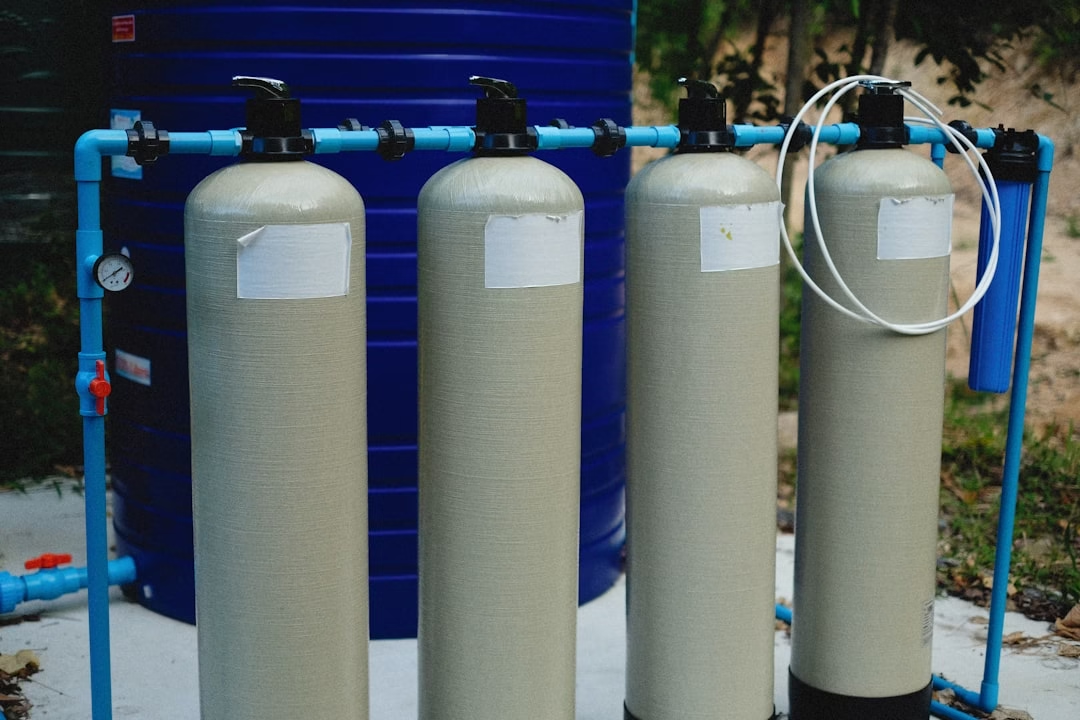
Financially, safe practices prevent costly damage to equipment and property. Replacing a heat-damaged concentrator or repairing fire damage is far more expensive than implementing simple storage solutions. There is also a legal advantage. Following UAE government healthcare regulations protects you from liability, especially if you are a caregiver. For businesses and healthcare providers, demonstrating compliant storage is essential for licensing. Ultimately, the greatest advantage is confidence. You can use your prescribed oxygen therapy knowing you have minimized all associated risks, allowing for better health outcomes and quality of life.
Common Questions
Users often have specific questions about oxygen storage in hot climates. A frequent question is: “Can I store a spare oxygen cylinder in my car?” The answer is an emphatic no. Car interiors can reach 70°C in summer, creating extreme danger. Another common query involves travel. “How do I transport tanks safely?” Always transport tanks in the passenger cabin with air conditioning, never in the trunk. Secure them upright and ensure the vehicle is well-ventilated.
People also ask, “How often should I check my storage setup?” Perform a brief visual check daily and a thorough inspection weekly. “What is the safe distance from heat sources?” Maintain a minimum distance of 1.5 to 3 meters from radiators, stoves, or heaters. “Can I use a cover on my tank?” Yes, a breathable cloth cover can protect from dust, but avoid plastic covers that trap heat. For device-specific questions, always refer to the user manual or contact our respiratory specialists. Addressing these common concerns helps build a comprehensive safety mindset.
Expert Recommendations
Experts unanimously recommend a proactive and informed approach. First, invest in a quality storage cart or cabinet designed for medical cylinders. This provides stability and organization. Second, consider using a portable oxygen concentrator (POC) as a supplement. Devices like the Inogen One G5 generate oxygen on demand and don’t store large amounts of pressurized gas, reducing some storage risks. However, POCs also require cool, dry storage when not in use.
Third, integrate oxygen safety into your home emergency plan. Ensure all family members know the storage rules and emergency procedures. Fourth, never attempt to repair or modify oxygen equipment yourself. Always seek professional service. Finally, establish a relationship with a reputable supplier like Oxydubai. A good supplier will not only provide quality equipment like the ResMed AirSense 11 but also offer ongoing safety support and reminders for maintenance. Following these expert recommendations creates a layered defense against the unique challenges posed by the UAE environment.
Frequently Asked Questions
Q1: What is the maximum safe temperature to store oxygen tanks?
A: You should never store oxygen cylinders where temperatures exceed 52°C (125°F). In Dubai, indoor, air-conditioned spaces are mandatory.
Q2: Can I lay a small oxygen cylinder on its side?
A: No. Always store and transport cylinders upright and secured to prevent tipping and valve damage.
Q3: How do I clean the area where I store oxygen tanks?
A: Use a damp cloth with water only. Avoid any cleaning agents containing oil, alcohol, or flammable chemicals.
Q4: What should I do if my oxygen tank gets very hot?
A: Move it to a cool, shaded area slowly and let it cool naturally. Do not spray it with water. Once cool, have it inspected by a professional before use.
Q5: Is it safe to use an oxygen concentrator in a power outage?
A: Only if you have a compatible battery backup. Plan for outages with your provider. For critical needs, a backup cylinder (stored safely) is recommended.
Q6: What are the key rules to store oxygen tanks safely in an apartment?
A: Keep them in a cool, ventilated room away from heaters/windows. Secure them upright to a wall or heavy furniture. Inform building management if storing large quantities and ensure easy access for emergencies.
Conclusion
In conclusion, mastering how to store oxygen tanks safely is an essential skill for anyone using oxygen therapy in the UAE. The extreme summer heat demands vigilance and specific strategies. By understanding the principles, benefits, and features of safe storage, you protect your health and home. Remember, the core rules are simple: keep tanks cool, secure, upright, and away from ignition sources. Regular maintenance and adherence to expert recommendations further solidify your safety protocol.
Your respiratory health journey should be supported by confidence and security. At Oxydubai, we are committed to providing not only the best respiratory equipment and products but also the knowledge to use them safely. Whether you rely on a portable concentrator or a home ventilator system, proper care is paramount. Take these guidelines seriously, review your current setup, and make any necessary changes today. For personalized advice, don’t hesitate to contact our respiratory specialists. Stay safe, stay cool, and breathe easy.