

Sleep Apnea Ramadan Management – Complete Guide for UAE Patients
Introduction
Looking for sleep apnea solutions in the UAE? Effective Sleep Apnea Ramadan Management is crucial for maintaining health and spiritual focus during the Holy Month. Furthermore, consistent CPAP therapy reduces cardiovascular strain, improves daytime alertness, and supports metabolic function. In the UAE’s unique climate and social rhythm, patients must adapt their routines. Consequently, this guide provides essential strategies for CPAP users fasting from dawn to dusk. At OxyDubai, trusted by 10,000+ UAE patients with premium respiratory equipment and products and medical equipment rental in Dubai, we prioritize your therapeutic success.
Ramadan presents specific challenges like altered sleep schedules, hydration restrictions, and potential changes in CPAP pressure needs. Therefore, proactive planning is essential. This comprehensive guide addresses these issues with practical, medically-sound advice tailored for the UAE community. Additionally, we integrate insights from global health bodies like the World Health Organization respiratory health guidelines with local healthcare practices.
Need Respiratory Equipment in Dubai?
Understanding Sleep Apnea Ramadan Management
Sleep Apnea Ramadan Management refers to the specialized approach for maintaining effective obstructive sleep apnea (OSA) treatment while observing fasting. During Ramadan, your body’s circadian rhythm and metabolic processes shift. This shift can affect sleep architecture and apnea events. Managing this condition requires adjusting CPAP usage, sleep timing, and hydration strategies. For example, using your BMC ResMart G2S A20 Auto CPAP machine correctly during shortened sleep windows is vital.
Moreover, dehydration from fasting can thicken nasal secretions, potentially affecting mask seal and comfort. Therefore, focusing on hydration during non-fasting hours is a key pillar of management. Additionally, consulting with a sleep specialist before Ramadan allows for pressure setting reviews. Ultimately, the goal is to ensure uninterrupted therapy, honoring religious practices without compromising health.
Benefits of CPAP Therapy Continuity
Continuing CPAP therapy during Ramadan offers immense benefits. Firstly, it prevents the return of severe symptoms like dangerous oxygen desaturation and excessive daytime sleepiness. This continuity is crucial for safe driving to and from Taraweeh prayers. Secondly, it helps regulate blood pressure and glucose levels, which fasting can influence. Consequently, you protect your long-term cardiovascular health.
Furthermore, consistent use supports better sleep quality, even if the duration is reduced. As a result, you maintain energy levels for worship, work, and family time. Modern devices like the Philips Respironics DreamStation Auto CPAP feature advanced algorithms that adapt to subtle breathing changes. Therefore, they provide effective therapy despite physiological shifts during fasting.
Sleep Apnea Ramadan Management Features
Successful Sleep Apnea Ramadan Management incorporates several key features. Primarily, it involves strategic scheduling of sleep periods. For instance, a short sleep after Suhoor and a main sleep after Iftar can help accumulate sufficient hours. Additionally, using the ramp feature on your CPAP machine can enhance comfort when going to bed hungry or full.
Another critical feature is humidification management. In the UAE’s air-conditioned environments, using the integrated humidifier in your device prevents nasal dryness. For reference, the Dubai Health Authority healthcare guidelines emphasize holistic patient care during Ramadan. Moreover, choosing the right mask, such as the ResMed AirFit F30i full face mask, can improve compliance if you breathe through your mouth when tired.
Device Options and Specifications
Selecting the right device is fundamental for effective management. Auto CPAP machines, which automatically adjust pressure, are ideal for Ramadan. They compensate for potential night-to-night variations in apnea severity. For patients with complex needs, a Philips DreamStation Auto BiPAP machine may be recommended by a specialist.
Key specifications to consider include noise level, for undisturbed sleep of family members, and data tracking. Data capabilities allow you and your doctor to monitor therapy efficacy. The UAE Ministry of Health medical standards support the use of certified, high-quality medical devices. Furthermore, portable options facilitate use during travel for Eid celebrations.
Get a Free Expert Recommendation
Setup and Maintenance Guide
Proper setup and maintenance ensure your CPAP therapy remains effective. Before Ramadan begins, check all components. Clean your mask cushion, tubing, and water chamber daily to prevent bacterial growth. Importantly, use distilled water in the humidifier to minimize mineral buildup, which is especially relevant in the UAE.
Additionally, ensure your device’s filters are clean for optimal airflow. Position the machine on a stable surface, lower than your head, to prevent condensation in the tube. Also, check the power supply and consider a backup battery for peace of mind. Finally, familiarize yourself with the machine’s menu to adjust basic comfort settings as needed.
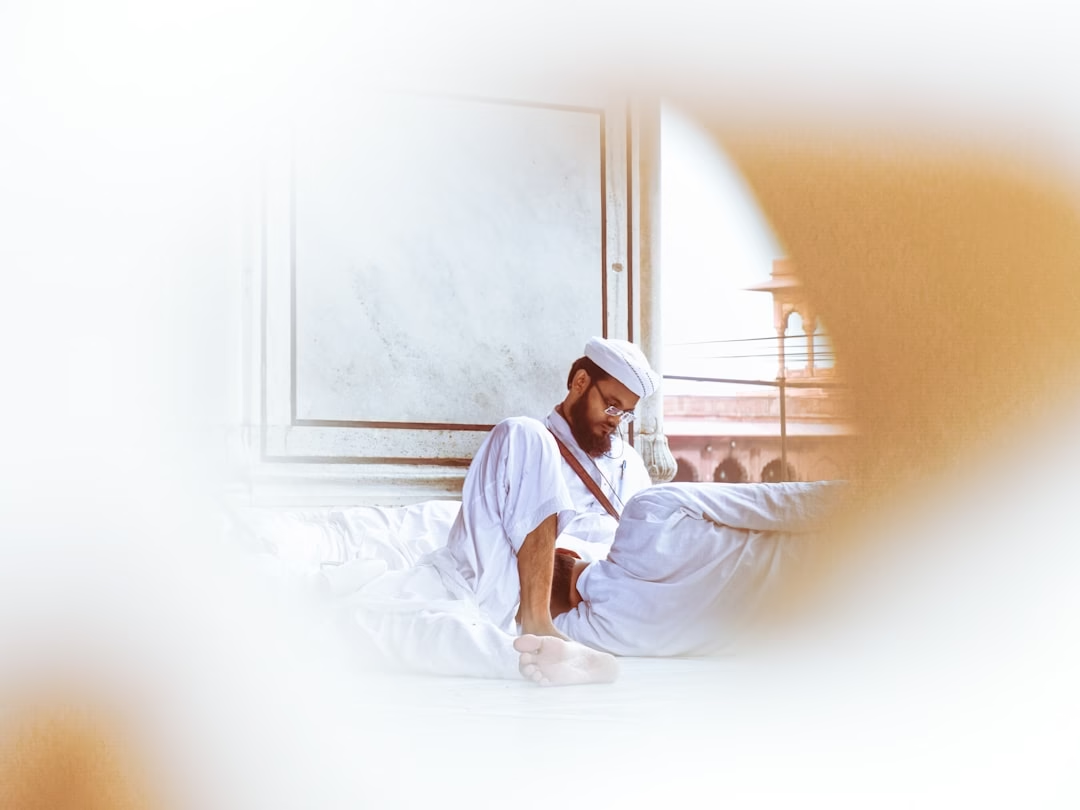
Sleep Apnea Ramadan Management for UAE Patients
Sleep Apnea Ramadan Management for UAE patients requires considering local factors. The hot climate makes hydration during non-fasting hours even more critical. Similarly, social and religious gatherings often occur late, potentially shortening sleep. Therefore, intentional sleep scheduling becomes non-negotiable.
Furthermore, accessing local support is easier. You can contact our respiratory specialists for quick advice or equipment servicing. Understanding UAE government healthcare regulations ensures you use approved devices. For patients requiring higher support, a BMC BPAP G2S B25VT/B30VT bilevel ventilator might be the clinical choice. In essence, integrating faith, local culture, and medical needs is the cornerstone of successful management here.
Common Questions and Concerns
Many patients worry about using CPAP while fasting. Reassuringly, using the machine does not break the fast, as it involves inhalation only. However, swallowing excess air (aerophagia) can cause discomfort. Therefore, ensuring correct pressure settings with a professional is important. Another common concern is dry mouth. Using a full-face mask or chin strap with a nasal mask can mitigate this.
Additionally, patients often ask about power outages. Investing in a CPAP battery backup is a wise solution. For comprehensive guidance, the Health Authority Abu Dhabi regulations provide a framework for durable medical equipment use. Remember, consistency is more important than duration; even a few hours of therapy is better than none.
Expert Recommendations
Our experts at OxyDubai recommend a pre-Ramadan health check with your sleep doctor. Discuss your fasting intentions and get your CPAP data downloaded and analyzed. Moreover, they advise gradually shifting your sleep schedule a week before Ramadan starts. This helps your body adapt more smoothly.
Furthermore, prioritize hydration during Iftar to Suhoor. Choose water and electrolytes over sugary drinks. For equipment, ensure you have all necessary supplies—masks, filters, tubing—to avoid last-minute issues. Finally, listen to your body. If you experience extreme fatigue or headaches, consult a healthcare professional immediately. Your spiritual and physical well-being are interconnected.
Frequently Asked Questions
What is the key to effective Sleep Apnea Ramadan Management?
The key is planning. Consult your doctor before Ramadan, adjust your sleep schedule strategically, prioritize hydration during non-fasting hours, and ensure your CPAP equipment is clean and functioning optimally for shorter, more efficient sleep sessions.
Does using a CPAP machine break my fast during Ramadan?
No, using a CPAP machine does not break your fast. The machine delivers pressurized air to your airways, and no nutrients or substances enter the digestive system. It is considered similar to breathing medical oxygen.
How can I prevent dry mouth and throat when using CPAP while fasting?
Use your machine’s integrated heated humidifier and ensure you drink plenty of water between Iftar and Suhoor. A full-face mask can also help if you breathe through your mouth. Checking for leaks is essential too.
My sleep schedule is very disrupted during Ramadan. Should I still use CPAP?
Yes, absolutely. Even if your total sleep time is fragmented, using your CPAP for every sleep session is critical. It maintains airway patency and prevents the dangerous drops in blood oxygen that characterize sleep apnea.
Can I adjust my CPAP pressure settings myself for Ramadan?
No, you should never adjust your prescribed pressure settings yourself. However, you can use comfort features like “ramp.” For any pressure adjustments, consult your sleep specialist who can review your data and make safe, clinical changes.
Where can I get my CPAP machine serviced in Dubai during Ramadan?
OxyDubai offers full servicing and support throughout the Holy Month. You can contact our respiratory specialists for maintenance, supplies, or urgent advice to ensure your therapy remains uninterrupted.
Conclusion
In conclusion, successful Sleep Apnea Ramadan Management in the UAE is entirely achievable with mindful planning and the right support. By adapting your routine, prioritizing therapy, and utilizing advanced equipment, you can fulfill your religious obligations without compromising your health. Remember, your well-being is a vital part of your worship.
For all your respiratory care needs, from purchasing a new respiratory equipment and products to arranging medical equipment rental in Dubai, OxyDubai is here to help. Our team of experts is dedicated to ensuring your journey through Ramadan is healthy, comfortable, and spiritually fulfilling.

