

Sleep Apnea in Older Adults: Managing Sleep Health After 60
Sleep Apnea in Older
Reaching your golden years should bring restful nights and energized days. However, sleep patterns often change significantly after age 60. One of the most common and serious sleep disorders affecting this demographic is sleep apnea. This condition involves repeated breathing interruptions during sleep. These pauses can last from a few seconds to minutes and may occur dozens of times per hour. Consequently, they severely disrupt sleep architecture and reduce oxygen levels in the blood. Understanding sleep apnea in older adults is the first step toward reclaiming your health and vitality. Furthermore, managing this condition can dramatically improve your quality of life. This guide provides a comprehensive look at managing sleep health after 60.
Understanding Sleep Apnea in Older
Sleep apnea is not simply loud snoring. It is a serious medical condition. The most prevalent form is Obstructive Sleep Apnea (OSA). OSA occurs when the throat muscles relax excessively during sleep, blocking the airway. Central Sleep Apnea, less common, involves the brain failing to send proper signals to the muscles that control breathing. Older adults are at a higher risk for several physiological reasons. For instance, age-related loss of muscle tone in the upper airway can make it more collapsible. Additionally, weight gain and certain medications common in later life can exacerbate the problem. Recognizing these risk factors is crucial for early intervention.
Sleep Apnea in Older Benefits
Successfully managing this disorder yields profound benefits. Effective treatment can reverse many of its damaging effects. Firstly, it drastically improves sleep quality, leading to more restorative rest. Secondly, it enhances daytime alertness and cognitive function, reducing “brain fog.” This is vital for maintaining independence. Moreover, treating sleep apnea lowers the risk of associated serious health complications. These include hypertension, heart disease, stroke, and type 2 diabetes. Therefore, consistent management is one of the most impactful health decisions an older adult can make. It protects both mental acuity and physical well-being.
How Sleep Apnea in Older Works
The mechanics of this condition are a cycle of interruption and arousal. When breathing stops, oxygen levels in the blood drop. This drop triggers the brain to briefly awaken you to restart breathing. This arousal is often so brief you don’t remember it. However, it fragments your sleep, preventing you from reaching deep, restorative stages. Throughout the night, this cycle can repeat hundreds of times. Consequently, you wake up feeling exhausted despite spending adequate time in bed. The body remains in a state of stress, releasing stress hormones that further strain the cardiovascular system. Understanding this process underscores why treatment is non-negotiable.
Best Sleep Apnea in Older Practices
Adopting comprehensive lifestyle strategies forms the foundation of effective management. Weight management is often a primary recommendation, as even a small reduction can improve symptoms. Additionally, changing sleep position can be highly effective. Specifically, sleeping on your side instead of your back can prevent the tongue and soft tissues from collapsing into the airway. Avoiding alcohol and sedatives before bedtime is also critical because they relax throat muscles further. Establishing a consistent sleep schedule reinforces your body’s natural circadian rhythms. For those with mild cases, a simple oral appliance from a dentist may be sufficient. These devices reposition the jaw to keep the airway open.
For moderate to severe cases, Positive Airway Pressure (PAP) therapy is the gold standard. This involves wearing a mask connected to a machine like the ResMed AirSense 11 CPAP machine. The machine delivers a continuous stream of air, acting as a pneumatic splint to keep the airway open. Many modern devices are quiet, user-friendly, and come with comfort features. For active seniors, portable options like the ResMed AirMini compact CPAP make travel easy. Pairing the machine with a comfortable mask, such as the ResMed AirFit F30i mask, is essential for long-term adherence.
Sleep Apnea in Older Implementation
Implementing a treatment plan requires a structured approach. The first step is always a proper diagnosis, which typically involves a sleep study. This can be done in a lab or at home with portable monitoring equipment. Once diagnosed, working closely with a healthcare provider to tailor the therapy is essential. Getting used to PAP therapy takes time and patience. Start by using the equipment for short periods while awake. Gradually increase usage during naps and then throughout the night. Many devices have data-tracking capabilities, allowing you and your doctor to monitor progress remotely. Consistency is the most critical factor for success. Additionally, regular cleaning and maintenance of your equipment ensure its effectiveness and longevity.
Advanced Sleep Apnea in Older Strategies
When standard treatments are not fully effective, advanced strategies come into play. For complex cases, a BiPAP (Bilevel Positive Airway Pressure) machine may be prescribed. It provides different pressure levels for inhalation and exhalation, which can be more comfortable for some users. In cases where respiratory failure is a concern, a device like the ResMed Astral 150 ventilator offers sophisticated support. For seniors who also require supplemental oxygen due to other lung conditions, integrating a Inogen One G5 portable oxygen concentrator with PAP therapy can be a comprehensive solution. Surgical options exist but are generally considered when other treatments have failed and a specific, correctable anatomical obstruction is identified.
Sleep Apnea in Older Success Tips
Long-term success hinges on adherence and a proactive mindset. Make your therapy a non-negotiable part of your nightly routine, like brushing your teeth. Keep a sleep diary to track how you feel and identify patterns or triggers. Join a support group, either in-person or online, to share experiences and solutions with others facing similar challenges. Stay engaged with your healthcare team and report any problems, such as mask leaks or dryness, immediately. They can often make simple adjustments that resolve the issue. Furthermore, stay informed about new technologies and treatments. The field of sleep medicine is constantly evolving, offering new hope and improved comfort for patients. For all your needs, explore our range of respiratory equipment and products.
Future of Sleep Apnea in Older
The future of managing this condition in the aging population is promising. Technology is driving significant advancements. New PAP machines are becoming smarter, smaller, and more integrated with digital health platforms. They can automatically adjust pressure and send compliance data directly to clinicians. Research is also exploring new pharmacological treatments and less invasive surgical techniques. Wearable technology that can accurately screen for sleep disorders is also on the horizon, making diagnosis more accessible. These innovations, supported by robust World Health Organization respiratory health guidelines, promise a future where sleep apnea is easier to diagnose, treat, and manage, allowing every older adult the prospect of a good night’s sleep.
Frequently Asked Questions
Is sleep apnea a normal part of aging?
No, sleep apnea is a medical disorder, not a normal part of aging. However, its prevalence increases with age due to physiological changes. It should always be evaluated and treated by a healthcare professional.
What are the silent signs of sleep apnea in seniors?
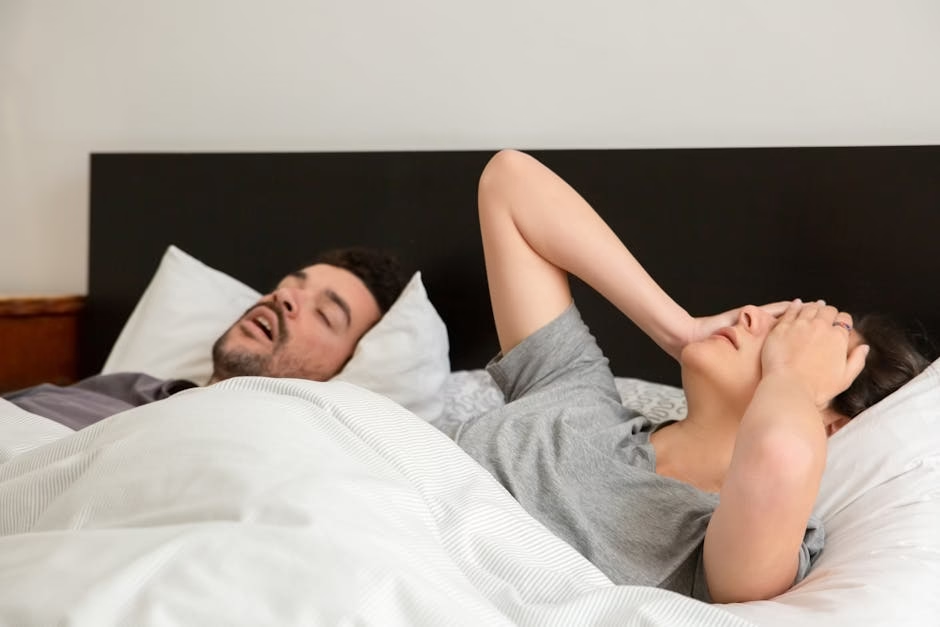
Silent signs include unrefreshing sleep, morning headaches, frequent nighttime urination, mood changes like irritability or depression, and a noticeable decline in memory or concentration.
Can I die from sleep apnea?
While you don’t typically die directly during an apnea event, untreated sleep apnea significantly increases your risk of fatal cardiovascular events, such as heart attack and stroke, over time.
How is sleep apnea diagnosed in older adults?
Diagnosis is typically made through a sleep study (polysomnography). This can be an overnight test in a lab or a home sleep apnea test that monitors your breathing, oxygen levels, and heart rate while you sleep.
Are CPAP machines covered by insurance in the UAE?
Many health insurance plans in the UAE, operating under Dubai Health Authority healthcare guidelines and Health Authority Abu Dhabi regulations, provide coverage for CPAP machines with a doctor’s prescription. It is best to check with your specific provider.
What if I can’t tolerate a CPAP machine?
There are several alternatives. These include oral appliances, positional therapy, weight loss, and in some cases, surgery. It’s important to contact our respiratory specialists to discuss other options tailored to your needs.
Conclusion
Managing sleep apnea in older adults is a vital component of healthy aging. This condition poses significant risks but is also highly treatable. By understanding the disorder, implementing effective strategies, and utilizing advanced technologies, you can regain control of your sleep and your health. The journey requires commitment but leads to immense rewards: more energy, a sharper mind, and a healthier heart. Do not accept poor sleep as an inevitable part of getting older. Take the first step today by speaking with your doctor about your sleep concerns. Prioritizing your sleep health is one of the most powerful investments you can make in your future well-being, ensuring your later years are as vibrant and active as you deserve.
Authority Resources and Regulations
For further information on health standards and regulations, please refer to the UAE government healthcare regulations and the UAE Ministry of Health medical standards. These resources provide authoritative guidance on managing chronic health conditions within the UAE.