

SEHA Respiratory Services Guide – Abu Dhabi Healthcare
Managing respiratory conditions in UAE? Understanding the SEHA health system respiratory services can significantly improve your healthcare journey. Respiratory conditions require specialized care and equipment, making proper navigation of healthcare systems essential. The Abu Dhabi government healthcare network provides comprehensive pulmonary services through SEHA facilities. Meanwhile, having access to quality respiratory equipment and products ensures continuity of care beyond clinical settings.
The UAE healthcare landscape combines public and private providers, creating a robust medical ecosystem. SEHA, as the largest healthcare network in Abu Dhabi, operates numerous hospitals and clinics. Their respiratory departments manage conditions ranging from asthma to sleep apnea. Consequently, understanding insurance requirements and referral pathways becomes crucial for patients. This guide demystifies the process while highlighting how supplemental respiratory equipment supports treatment plans.
At Oxydubai, trusted by 10,000+ UAE patients with premium respiratory equipment and products, we recognize the importance of integrated care. Proper medical equipment complements clinical treatments prescribed through SEHA facilities. Therefore, we’ve created this comprehensive resource to help you navigate both systems effectively.
Need Respiratory Solutions?
Understanding SEHA Respiratory Services
The SEHA health system respiratory services encompass comprehensive pulmonary care across Abu Dhabi. SEHA facilities provide diagnostics, treatment, and management for various respiratory conditions. Their services include pulmonary function testing, sleep studies, bronchoscopy, and respiratory therapy. Additionally, they manage chronic conditions like COPD, asthma, and pulmonary fibrosis.
Accessing these services requires understanding the healthcare structure. SEHA operates government hospitals and specialized centers throughout the emirate. Major facilities include Sheikh Khalifa Medical City, Mafraq Hospital, and Al Ain Hospital. Each offers specialized pulmonary departments with modern equipment. Furthermore, they collaborate with international healthcare institutions to maintain world-class standards.
Patients can access SEHA respiratory services through different pathways. Emergency cases receive immediate attention at hospital emergency departments. However, non-emergency cases typically require referrals from primary care physicians. This structured approach ensures appropriate resource allocation while maintaining quality care. The Health Authority Abu Dhabi regulations govern these processes to ensure patient safety and service quality.
Benefits of Pulmonary Care Network
Abu Dhabi’s pulmonary care network offers significant advantages for respiratory patients. The integrated system ensures continuity of care across different healthcare settings. Patients benefit from coordinated treatment plans between specialists and primary care physicians. This approach reduces duplication of tests and streamlines medication management.
The network provides access to specialized equipment and expertise. SEHA facilities feature advanced diagnostic tools and therapeutic technologies. For instance, sleep laboratories use sophisticated monitoring equipment for accurate diagnosis. Similarly, pulmonary rehabilitation programs incorporate modern exercise and monitoring equipment. These resources help patients achieve better health outcomes through precise diagnosis and targeted treatment.
Complementing clinical care with appropriate home equipment enhances treatment effectiveness. For example, the ResMed AirSense 11 CPAP machine provides advanced therapy for sleep apnea patients. This device features automated pressure adjustment and cloud connectivity. Such technology allows patients to continue their prescribed treatment seamlessly at home while maintaining therapy efficacy.
SEHA Respiratory Services Features
SEHA health system respiratory services include several distinctive features that benefit patients. Their multidisciplinary approach combines pulmonologists, respiratory therapists, and specialized nurses. This team collaborates to create comprehensive treatment plans addressing all aspects of respiratory health. Consequently, patients receive holistic care considering both medical and lifestyle factors.
The services incorporate advanced technology and evidence-based protocols. SEHA facilities utilize cutting-edge diagnostic equipment including CT scanners, pulmonary function labs, and polysomnography systems. These tools enable accurate diagnosis and monitoring of respiratory conditions. Additionally, treatment protocols align with international standards from organizations like the World Health Organization respiratory health guidelines.
Patient education and support represent another crucial feature. SEHA provides resources for managing chronic respiratory conditions at home. This includes guidance on medication use, breathing techniques, and equipment operation. For patients requiring supplemental oxygen, portable options like the Inogen One G5 portable oxygen concentrator enable mobility while maintaining therapy. Such support empowers patients to actively participate in their healthcare.
Healthcare System Specifications
The Abu Dhabi healthcare system operates under specific regulations and standards. The Health Authority – Abu Dhabi (HAAD) oversees healthcare delivery across the emirate. Their regulations ensure quality, safety, and accessibility of medical services. All healthcare providers, including SEHA facilities, must comply with these standards. Therefore, patients can expect consistent quality across different SEHA locations.
Insurance requirements form a critical component of healthcare access. The Thiqa program covers UAE nationals for services at SEHA facilities. Expatriates require health insurance meeting HAAD minimum benefits. This insurance typically covers consultations, diagnostics, and basic treatments. However, coverage for durable medical equipment varies between policies. Patients should verify their specific coverage details before procuring equipment.
Referral processes ensure appropriate utilization of specialized services. Patients typically begin with primary care physicians at SEHA clinics or centers. These physicians assess conditions and provide referrals to specialists when necessary. The referral system manages healthcare resources efficiently while ensuring patients see appropriate specialists. Understanding this process helps patients navigate the system effectively and access needed care promptly.
Expert Medical Advice?
Setup and Maintenance Processes
Proper setup and maintenance of respiratory equipment ensures optimal performance and patient safety. Clinical equipment at SEHA facilities undergoes regular calibration and maintenance by biomedical engineers. Similarly, home equipment requires appropriate setup and ongoing care. For instance, CPAP machines need correct pressure settings, mask fitting, and regular filter changes.
Patients receiving equipment prescriptions should receive comprehensive setup guidance. Healthcare providers typically demonstrate equipment operation and answer questions. Additionally, they provide written instructions for reference. Proper setup maximizes therapy effectiveness while minimizing discomfort. For example, correctly fitted masks like the ResMed AirFit F30i mask improve compliance with prescribed therapy.
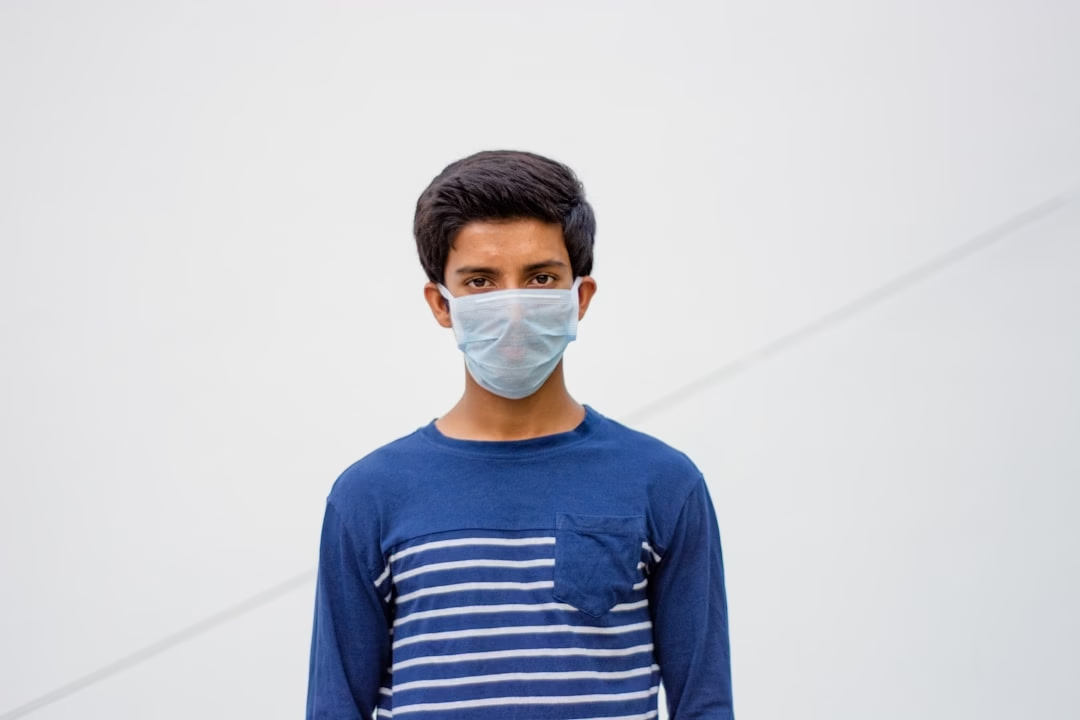
Maintenance schedules vary between equipment types but generally include regular cleaning and part replacement. Manufacturers provide specific maintenance guidelines in product manuals. Following these recommendations extends equipment lifespan and maintains performance. Furthermore, proper maintenance reduces infection risks and ensures consistent therapy delivery. Patients can consult equipment suppliers or healthcare providers for maintenance guidance specific to their devices.
SEHA Respiratory Services Advantages
The SEHA health system respiratory services offer several distinct advantages for patients. Their integrated network facilitates coordinated care across different specialties and locations. Medical records transfer seamlessly between SEHA facilities, ensuring all providers access complete patient information. This coordination prevents treatment gaps and improves health outcomes.
Quality and safety standards represent another significant advantage. SEHA facilities adhere to rigorous accreditation standards and clinical guidelines. Regular audits and quality assessments maintain service excellence. These standards align with international benchmarks and UAE Ministry of Health medical standards. Consequently, patients receive care meeting global best practices.
Access to specialized expertise and technology enhances patient care. SEHA employs qualified pulmonologists and respiratory specialists with extensive training. They utilize advanced medical technology for diagnosis and treatment. For severe cases requiring intensive respiratory support, equipment like the ResMed Astral 150 ventilator provides life-sustaining therapy. This combination of expertise and technology delivers comprehensive respiratory care.
Common Healthcare Questions
Patients often have questions about navigating respiratory care within the SEHA system. Understanding insurance coverage remains a frequent concern. Most health insurance plans cover essential respiratory services at SEHA facilities. However, coverage details vary between policies. Patients should verify their specific benefits, including copayments and authorization requirements.
Referral processes generate another common question category. Patients typically need referrals from primary care physicians to see pulmonologists. Emergency cases can access specialists directly through emergency departments. The referral system ensures appropriate resource allocation while maintaining care quality. Patients can consult their primary care physicians for guidance on referral requirements.
Equipment coverage questions frequently arise regarding respiratory devices. Insurance coverage for home equipment depends on policy terms and medical necessity. Some policies cover rental or purchase of prescribed equipment. Patients should obtain detailed prescriptions and pre-authorization when required. Understanding these processes helps patients access needed equipment while managing costs effectively.
Expert Medical Recommendations
Healthcare professionals emphasize several key recommendations for respiratory patients. Early consultation for respiratory symptoms can prevent complications. Patients experiencing persistent cough, shortness of breath, or sleep disturbances should seek medical advice promptly. Early intervention often leads to better outcomes and simpler treatment approaches.
Adherence to prescribed treatments remains crucial for managing chronic conditions. This includes taking medications as directed and using medical equipment consistently. For sleep apnea patients, regular CPAP use significantly improves outcomes. Compact devices like the ResMed AirMini compact CPAP facilitate therapy adherence during travel. Consistent treatment use maximizes health benefits.
Regular follow-up appointments help monitor condition progression and treatment effectiveness. Pulmonologists adjust treatments based on symptom changes and test results. These appointments also provide opportunities to address concerns and questions. Additionally, patients should maintain open communication with healthcare providers about treatment responses and side effects. This collaborative approach optimizes respiratory care.
Frequently Asked Questions
How do I access SEHA respiratory services?
Start with a primary care physician at a SEHA health center. They will assess your condition and provide referrals to pulmonologists if needed. Emergency respiratory cases can proceed directly to hospital emergency departments.
What insurance covers SEHA pulmonary care?
Thiqa covers UAE nationals. Expatriates need health insurance meeting HAAD requirements. Verify your specific policy details regarding specialist visits, diagnostics, and equipment coverage.
Are sleep studies available through SEHA?
Yes, SEHA facilities offer comprehensive sleep studies for diagnosing sleep apnea and other sleep disorders. These require physician referrals and typically occur at specialized sleep laboratories.
What is the process for SEHA respiratory services referrals?
Primary care physicians initiate referrals to pulmonologists after initial assessment. The referral system ensures appropriate specialist utilization while maintaining care coordination between providers.
Does insurance cover home respiratory equipment?
Coverage varies between policies. Many plans cover medically necessary equipment with proper documentation and pre-authorization. Consult your insurance provider for specific coverage details.
Can I use compact respiratory devices with SEHA treatments?
Yes, portable devices complement clinical treatments effectively. The ResMed AirMini compact CPAP maintains therapy during travel while aligning with SEHA treatment protocols.
Conclusion
Navigating the SEHA health system respiratory services requires understanding healthcare structures and processes. The Abu Dhabi government healthcare network provides comprehensive pulmonary care through SEHA facilities. Insurance requirements and referral processes ensure appropriate resource allocation while maintaining quality standards. Patients benefit from coordinated care between specialists and primary physicians.
Complementing clinical treatments with appropriate respiratory equipment enhances health outcomes. Quality devices support therapy adherence and daily functioning. At Oxydubai, we provide premium respiratory equipment and products that align with medical recommendations. Our equipment supports the treatments prescribed through SEHA facilities, creating integrated care approaches.
Understanding both clinical and equipment aspects empowers patients to manage respiratory conditions effectively. The SEHA health system respiratory services offer robust clinical support, while appropriate home equipment maintains therapy between visits. This combination delivers comprehensive respiratory care addressing both medical and lifestyle needs. For personalized guidance, contact our respiratory specialists who understand both clinical and equipment considerations.