

Respiratory Failure Treatment Dubai: Home Ventilation & Support Options
Respiratory Failure Treatment
Managing chronic respiratory conditions requires advanced medical care and robust support systems. In Dubai, patients have access to world-class healthcare services tailored for complex pulmonary needs. This comprehensive approach ensures individuals receive continuous, high-quality care. Respiratory Failure Treatment in Dubai combines cutting-edge technology with personalized patient care plans. However, the journey often extends beyond hospital walls into the home environment.
Home-based care has become a cornerstone for managing chronic respiratory failure. It empowers patients to maintain their quality of life while receiving necessary medical support. Additionally, technological advancements have made sophisticated equipment more accessible for home use. This guide explores the various home ventilation and support options available. Furthermore, it provides a roadmap for implementing these solutions effectively within the UAE’s healthcare framework.
Understanding Respiratory Failure Treatment
Respiratory failure occurs when the respiratory system fails in gas exchange. This condition prevents adequate oxygen from reaching the blood. Consequently, carbon dioxide removal becomes inefficient. Therefore, patients require external support to maintain proper blood gas levels. Treatment aims to support breathing and address the underlying cause.
In Dubai, pulmonary specialists employ a multi-faceted approach. They combine medication, oxygen therapy, and mechanical ventilation. Moreover, they integrate lifestyle modifications and pulmonary rehabilitation. This holistic strategy ensures comprehensive patient management. The goal is to stabilize the patient and improve long-term outcomes.
Respiratory Failure Treatment Benefits
Proper management offers significant advantages for patients with breathing difficulties. It enhances oxygen saturation and reduces hospital readmissions. Therefore, patients experience better overall health and fewer complications. Additionally, it alleviates symptoms like shortness of breath and fatigue.
Home-based care provides psychological benefits. Patients feel more comfortable and independent in their own environment. Moreover, family members can actively participate in the care process. This support system improves emotional well-being and treatment adherence. Consequently, quality of life sees marked improvement.
How Respiratory Failure Treatment Works
Treatment begins with a thorough assessment by a pulmonologist. Doctors evaluate lung function, blood gas levels, and overall health status. Then, they create a customized care plan. This plan may include various respiratory equipment and products.
Oxygen therapy is often the first line of defense. Portable concentrators like the Inogen One G5 portable oxygen concentrator provide mobility. Meanwhile, non-invasive ventilation supports breathing without intubation. Devices such as the ResMed AirSense 11 CPAP machine are commonly prescribed. For severe cases, invasive mechanical ventilation may be necessary.
Best Respiratory Failure Treatment Practices
Successful management requires adherence to established clinical protocols. Regular monitoring of vital signs and blood gases is essential. Therefore, patients must maintain detailed health logs. Additionally, equipment maintenance ensures optimal performance and safety.
Proper mask fitting is crucial for non-invasive ventilation. Masks like the ResMed AirFit F30i mask offer comfort and effective seal. Moreover, patients should receive comprehensive education about their condition and equipment. This knowledge empowers them to recognize warning signs early.
Respiratory Failure Treatment Implementation
Implementing home care requires careful planning and coordination. First, healthcare providers assess the home environment for safety and suitability. Then, they select appropriate equipment based on medical needs. For example, the compact ResMed AirMini compact CPAP is ideal for travel.
Training sessions ensure patients and caregivers can operate equipment confidently. Additionally, establishing emergency protocols is vital. Patients should know when to seek immediate medical attention. Regular follow-ups with specialists help adjust treatment as needed.
Advanced Respiratory Failure Treatment Strategies
Complex cases may require sophisticated solutions like the ResMed Astral 150 ventilator. This device offers versatile ventilation modes for various conditions. Moreover, telehealth services enable remote monitoring by healthcare teams.
Integrated care models combine multiple therapeutic approaches. Pulmonary rehabilitation exercises strengthen respiratory muscles. Meanwhile, nutritional support optimizes overall health. These strategies work synergistically to improve patient outcomes. Consequently, hospitalizations decrease significantly.
Respiratory Failure Treatment Success Tips
Consistency is paramount for successful respiratory management. Patients must adhere to their prescribed therapy schedules. Additionally, they should keep all medical appointments. Therefore, setting reminders can help maintain this routine.
Communication with healthcare providers ensures proper treatment adjustments. Patients should report any changes in symptoms immediately. Moreover, joining support groups provides emotional encouragement. Sharing experiences with others facing similar challenges reduces isolation.
Future of Respiratory Failure Treatment
Technological innovations continue to transform pulmonary care. Smart devices with connectivity features enable better monitoring. Furthermore, artificial intelligence helps predict exacerbations before they occur. These advancements promise more proactive and personalized care.
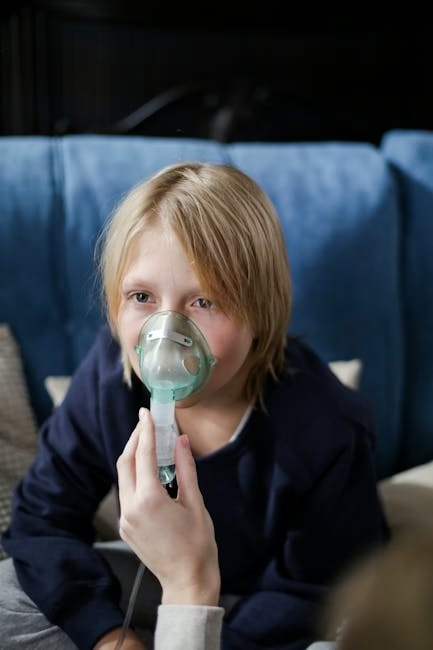
Research focuses on developing less invasive treatment options. Gene therapy and regenerative medicine offer hope for underlying condition management. Meanwhile, portable devices become increasingly sophisticated and user-friendly. The future points toward greater patient autonomy and improved quality of life.
Frequently Asked Questions
What types of home ventilation equipment are available in Dubai?
Dubai offers various home ventilation options including CPAP machines, BiPAP devices, and portable ventilators. These are available through licensed medical suppliers with proper clinical oversight.
How do I know if I need home ventilation therapy?
A pulmonologist determines this need based on blood gas analysis, sleep studies, and clinical evaluation. Symptoms like persistent shortness of breath or low oxygen saturation indicate potential requirement.
Is home ventilation covered by insurance in the UAE?
Many insurance providers in Dubai cover home ventilation equipment with proper medical justification. However, coverage varies by policy, so verification with your provider is essential.
What support services are available for home ventilation patients?
Patients receive equipment training, nursing support, and emergency consultation. Additionally, many suppliers offer maintenance services and 24/7 technical support for equipment issues.
Can I travel with my home ventilation equipment?
Yes, many modern ventilators are portable and designed for travel. Devices like the ResMed AirMini are specifically created for mobility while maintaining therapy effectiveness.
How often should home ventilation equipment be serviced?
Most equipment requires quarterly checks and annual comprehensive servicing. Filters need regular replacement according to manufacturer guidelines to maintain optimal performance.
Conclusion
Effective Respiratory Failure Treatment transforms lives by enabling comprehensive home-based care. Dubai’s advanced medical infrastructure supports this approach with cutting-edge technology and specialist expertise. Patients can achieve greater independence while managing their condition effectively. However, success requires commitment to treatment protocols and regular medical follow-ups.
The future promises even more innovative solutions for pulmonary care. Meanwhile, current technologies already provide significant improvements in quality of life. Therefore, patients should explore these options with their healthcare providers. For personalized guidance, contact our respiratory specialists today to discuss your specific needs and develop an optimal care plan.
Additional Resources
For more information about respiratory health standards, consult these authoritative sources:

