
Remote Patient Monitoring UAE – Complete Guide
Managing respiratory conditions in UAE? Remote Patient Monitoring UAE is transforming home healthcare. This innovative approach allows continuous tracking of vital health data from a patient’s home. Consequently, it provides real-time insights to clinicians. The medical benefits are substantial, including reduced hospital readmissions and improved chronic disease management. Moreover, it empowers patients to take an active role in their health.
The UAE context is ideal for this technology. With a strong digital infrastructure and government support for health-tech, adoption is accelerating. The UAE government healthcare regulations actively promote smart health solutions. Remote monitoring bridges the gap between hospital and home, ensuring continuous care. It is particularly valuable for managing conditions like COPD, sleep apnea, and heart failure.
At Oxydubai, trusted by 10,000+ UAE patients, we integrate this future with premium respiratory equipment and products. Our devices often feature built-in cellular connectivity for seamless data transmission. Therefore, patients can use top-tier equipment while their care team monitors progress remotely. This synergy creates a powerful, patient-centered ecosystem.
Need Respiratory Solutions?
Understanding Remote Patient Monitoring UAE
Remote Patient Monitoring UAE refers to using technology to gather patient data outside traditional clinical settings. Essentially, it collects health metrics like oxygen levels, heart rate, and sleep patterns. This data transmits securely to healthcare providers for review. As a result, it enables proactive interventions before conditions worsen.
The system typically involves three components. First, a patient uses a medical device, such as a ResMed AirSense 11 CPAP machine with telemetry. Second, a data transmission hub sends information via cellular or Wi-Fi. Third, a secure provider portal displays the data for clinical teams. This process aligns with Dubai Health Authority healthcare guidelines for data security and patient privacy.
In the UAE, this model supports national health goals like reducing hospital burden. It is especially relevant for the aging population and those with mobility challenges. Furthermore, it complements the UAE’s vision for a smart, connected healthcare system. Providers can monitor adherence to therapy and device usage effectively.
Benefits of Telehealth Monitoring
The advantages of telehealth monitoring are extensive and impactful. Primarily, it enhances patient safety through constant oversight. For instance, a drop in oxygen saturation can trigger an immediate alert. Therefore, emergencies can be addressed faster, potentially saving lives.
Secondly, it improves clinical outcomes. Continuous data provides a comprehensive picture of a patient’s health, unlike sporadic clinic visits. Consequently, doctors can personalize treatment plans with greater accuracy. Additionally, it increases patient engagement and compliance. When patients know they are being monitored, they are more likely to follow their prescribed therapy using their Inogen One G5 portable oxygen concentrator or CPAP machine.
From a system perspective, it optimizes healthcare resources. It reduces unnecessary in-person appointments and hospital admissions. This efficiency is crucial for sustainable healthcare systems. Moreover, it provides peace of mind for both patients and their families, knowing professional support is always connected.
Remote Patient Monitoring UAE Features
Key features define effective Remote Patient Monitoring UAE systems. Modern RPM solutions offer real-time data transmission. This means readings from a ResMed Astral 150 ventilator are available to clinicians almost instantly. As a result, response times to critical events are dramatically reduced.
Another vital feature is automated alerts and notifications. Systems can be programmed to flag abnormal parameters. For example, low usage of a CPAP device or poor mask fit data can prompt a follow-up. Furthermore, these platforms often include intuitive dashboards. These dashboards summarize patient trends and highlight issues for quick clinical review.
Interoperability is also essential. The best RPM platforms integrate with existing electronic health records (EHRs). This seamless integration ensures data flows into the patient’s official medical history. Compliance with UAE Ministry of Health medical standards for data handling is a built-in feature of reputable systems. Finally, patient-friendly interfaces encourage consistent use and proper device interaction.
Telehealth System Specifications
When selecting a system, technical specifications matter. Reliable connectivity is the foundation. Most medical devices use secure cellular networks (4G/5G) to ensure data is sent even without home Wi-Fi. Additionally, battery life for portable hubs is critical for uninterrupted monitoring.
Data security specifications are non-negotiable. Encryption during transmission and at rest is mandatory. Systems must also offer robust user authentication and access controls. These specs protect sensitive health information in line with Health Authority Abu Dhabi regulations. Another key spec is the range of compatible devices. A good system should work with various ResMed AirFit F30i mask sensors, oxygen concentrators, and vital sign monitors.
Software specifications include cloud storage capacity and data analytics capabilities. Advanced analytics can predict exacerbations by spotting subtle trends. Moreover, the system should support customizable reporting for different healthcare stakeholders. This flexibility ensures it meets the specific needs of clinics, hospitals, and homecare agencies across the Emirates.
Expert Medical Advice?
Setup & Maintenance
Proper setup is straightforward but crucial. Initially, the clinical team prescribes the monitoring system alongside the medical device. Then, a technician or nurse typically installs the equipment in the patient’s home. They connect the device, like a ResMed AirMini compact CPAP, to the transmission module. Subsequently, they test the data flow to the provider’s portal.
Patient education is a vital part of setup. Users must understand how to operate their equipment and recognize indicator lights. Furthermore, they need to know basic troubleshooting steps. Regular maintenance involves ensuring devices are clean and functional. For example, mask cushions and device filters should be replaced as scheduled to ensure accurate readings.
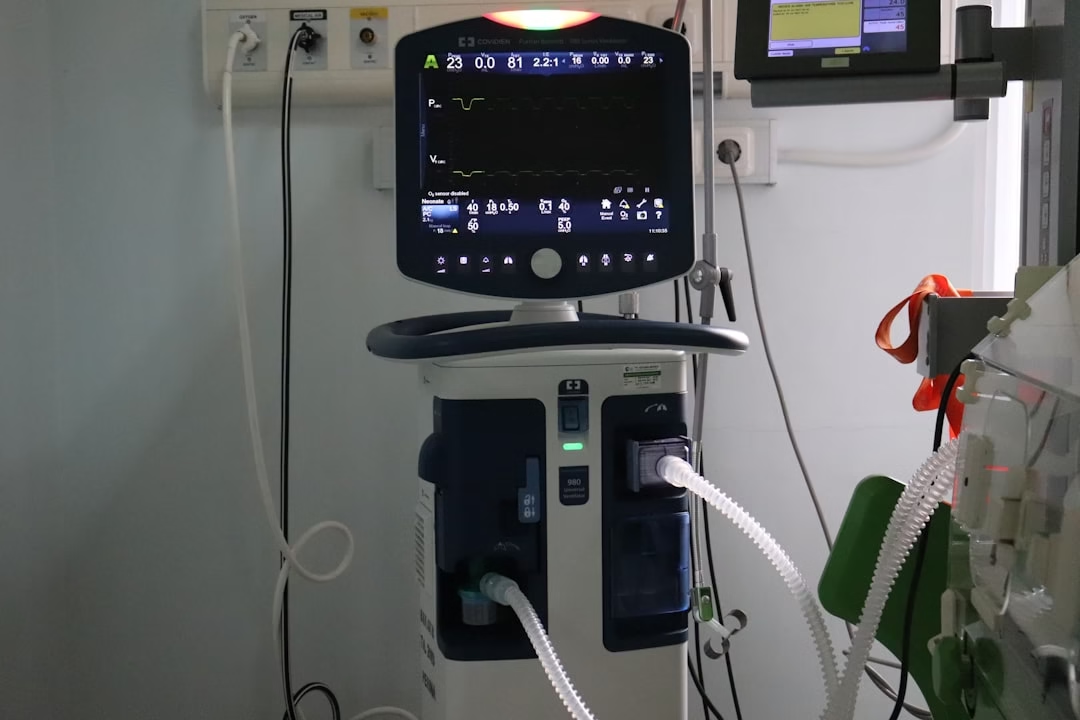
On the backend, healthcare providers must maintain their monitoring protocols. They should regularly review alert thresholds and update patient care plans based on trend data. Technical maintenance includes software updates for the monitoring platform. These updates often enhance security and add features. Overall, a well-maintained system provides reliable, long-term support for chronic condition management.
Remote Patient Monitoring UAE Advantages
The specific advantages of Remote Patient Monitoring UAE are compelling. Firstly, it addresses geographic disparities in healthcare access. Patients in remote emirates can receive the same quality of oversight as those in major cities. This advantage supports equitable healthcare, a key national priority.
Secondly, it facilitates value-based care. Providers are reimbursed for outcomes rather than just volume of services. RPM delivers the data needed to prove and improve those outcomes. Additionally, it strengthens preventive care. By catching trends early, it prevents complications and hospitalizations. This proactive approach is endorsed by World Health Organization respiratory health guidelines for chronic disease management.
Finally, it offers a superior patient experience. Individuals recover and manage illnesses in the comfort of their homes. This comfort leads to less stress and potentially better health results. It also reduces the time and cost associated with frequent travel to clinics. For the healthcare system, it enables clinicians to manage larger patient panels more effectively.
Common Questions
Patients and families often have questions about remote monitoring. A frequent concern is privacy. Reputable systems use hospital-grade encryption and comply with strict data protection laws. Another common question is about cost. Many insurance providers in the UAE now cover RPM because it reduces more expensive care down the line.
People also ask about technical difficulties. Modern systems are designed for simplicity, with automatic connectivity and minimal patient input required. If an issue arises, support is typically available via phone or the contact our respiratory specialists page. Furthermore, patients wonder if it replaces doctor visits entirely. It does not; instead, it complements them by providing data that makes in-person visits more productive and less frequent.
Other queries involve device compatibility. Patients want to know if their existing equipment can be monitored. Often, newer models have built-in capabilities, while older devices may require an add-on module. A consultation with a provider can clarify the best setup for an individual’s specific equipment and health condition.
Expert Recommendations
Experts recommend choosing RPM solutions that are approved by UAE health authorities. Always verify that the device and platform meet local regulatory standards. Furthermore, they advise selecting a system that offers comprehensive training and support. Successful outcomes depend as much on patient understanding as on technology.
Clinicians recommend starting with a clear monitoring plan. Define which parameters are most important for the specific condition. For sleep apnea, this might be usage hours and mask leak. For COPD, it could be oxygen saturation and activity levels. Additionally, experts stress the importance of integrating RPM data into a holistic care plan. The data should inform medication adjustments, therapy changes, and lifestyle advice.
Finally, the consensus is to partner with a reputable supplier. A supplier like Oxydubai provides not only quality equipment but also guidance on the monitoring ecosystem. They can ensure you have a compatible respiratory equipment and products setup that reliably connects and transmits data. This partnership is key to a smooth, effective remote patient monitoring experience.
Frequently Asked Questions
1. Is Remote Patient Monitoring secure? Yes. Reputable systems use advanced encryption and comply with UAE data protection laws like those from DHA and HAAD.
2. What conditions can it monitor? It is excellent for chronic respiratory conditions (COPD, sleep apnea), heart failure, diabetes, and hypertension.
3. Do I need special internet for Remote Patient Monitoring UAE? Not necessarily. Most medical devices use a built-in cellular connection, so home Wi-Fi is not required.
4. How does it help my doctor? It gives your doctor real-world data on your health between visits, leading to more informed treatment decisions.
5. Can I travel within the UAE with monitored devices? Often, yes. Portable devices like the Inogen G5 are designed for mobility and will transmit data from anywhere with network coverage.
6. What if I have a problem with the equipment at home? Contact your provider or supplier immediately. For Oxydubai clients, you can always contact our respiratory specialists for support.
Conclusion
Remote Patient Monitoring UAE represents the undeniable future of home-based care. It seamlessly blends advanced medical technology with compassionate, continuous oversight. This integration leads to better health outcomes, enhanced patient satisfaction, and a more efficient healthcare system. The UAE’s forward-thinking digital landscape provides the perfect environment for its widespread adoption.
Embracing this technology means choosing proactive, personalized healthcare. It empowers patients and equips clinicians with unparalleled insights. As the technology evolves, its role in managing chronic diseases and post-hospitalization recovery will only grow. Ultimately, it creates a stronger, more responsive health ecosystem for all residents.
To explore how this future can benefit you or your loved ones, begin with trusted, compatible equipment. Visit Oxydubai to discover a range of respiratory equipment and products designed for connected care. Take the step towards smarter, safer health management today.