

Read Your Oxygen Therapy Prescription – Complete Guide
Searching for oxygen therapy equipment? Understanding your medical oxygen therapy prescription is the critical first step toward better health. Consequently, this document holds the key to managing conditions like COPD, pulmonary fibrosis, and sleep apnea effectively. In the UAE’s diverse climate, proper oxygen therapy can significantly enhance energy levels, improve sleep, and increase overall activity tolerance. Moreover, a correct interpretation ensures you use the right equipment safely. At Oxydubai, trusted by 10,000+ UAE patients, we provide premium respiratory equipment and products alongside expert guidance to help you decode your prescription and breathe easier.
Need Respiratory Solutions?
Understanding Your Oxygen Therapy Prescription
Your oxygen therapy prescription is a personalized medical order. Essentially, it specifies the exact amount of supplemental oxygen your body needs. Key components include the flow rate, measured in liters per minute (LPM). Additionally, it states the duration, such as during sleep, with exertion, or continuously. The prescription also notes the delivery method, whether via nasal cannula or mask. Understanding these details is non-negotiable for effective treatment. For instance, using the wrong flow rate can be ineffective or even harmful. Therefore, always clarify any confusing terms with your doctor or a respiratory therapist. Reputable sources like the World Health Organization respiratory health guidelines emphasize the importance of prescribed medical oxygen. Ultimately, this document guides your choice of equipment, from a portable concentrator to a stationary unit.
Benefits of Prescribed Medical Oxygen
Correctly following your medical oxygen prescription offers profound health benefits. Primarily, it increases oxygen levels in your blood. This boost reduces shortness of breath and fatigue. Consequently, patients often experience improved mobility and endurance. Furthermore, consistent oxygen therapy can protect vital organs, including the heart and brain, from low oxygen damage. It also enhances sleep quality for those with nocturnal hypoxemia. In the UAE, where air quality can vary, prescribed oxygen provides a controlled, clean air source. Moreover, proper use can decrease hospital readmission rates. For example, pairing your prescription with a reliable device like the Inogen One G5 portable oxygen concentrator supports an active lifestyle. Adherence to UAE Ministry of Health medical standards ensures these benefits are realized safely and effectively.
Your Oxygen Therapy Prescription Features
Decoding the specific features of your oxygen therapy prescription prevents errors. Crucially, it lists the oxygen flow rate. This rate can be a single number or a range for different activities. Another feature is the oxygen saturation target, often above 90%. The prescription also specifies “continuous flow” or “pulse dose” settings. Pulse dose is common for portable units and conserves oxygen. Additionally, your prescription may include humidity requirements, especially in Dubai’s dry climate. Understanding these features ensures you program devices like the ResMed Astral 150 ventilator correctly. Always verify the equipment’s capability matches your prescription’s features. Finally, keep a copy with your medical records and share it with your equipment provider for accurate setup.
Prescription Specifications and Details
Beyond the flow rate, your prescription contains vital specifications. First, it includes the patient’s diagnosis justifying the need for oxygen. Second, it states the expected duration of therapy—whether short-term or long-term. The prescribing physician’s signature and license number are mandatory for validation in the UAE. Moreover, it should specify if oxygen is needed during air travel, requiring FAA-approved devices. These details must comply with Dubai Health Authority healthcare guidelines. For instance, a prescription for a high-flow device will differ significantly from one for a low-flow portable unit. Matching these specs to products like the ResMed AirFit F30i mask ensures compatibility and comfort. Therefore, review every detail before purchasing or renting equipment.
Expert Medical Advice?
Setup and Maintenance for Optimal Therapy
Proper setup begins with your oxygen therapy prescription. First, ensure your concentrator or tank is placed in a well-ventilated area. Then, set the flow rate exactly as prescribed. Connect your nasal cannula or mask securely. Next, establish a routine for cleaning tubing and humidifier bottles to prevent infections. Regularly check filters, especially in dusty environments. Furthermore, schedule professional servicing for your equipment as recommended. For example, devices like the ResMed AirSense 11 CPAP machine require consistent filter changes. Always have a backup power plan, such as a battery pack, for uninterrupted therapy. Adhering to Health Authority Abu Dhabi regulations for medical device maintenance guarantees safety and longevity. Consequently, diligent care maximizes the therapy’s effectiveness.
Your Oxygen Therapy Prescription Advantages
Following your oxygen therapy prescription precisely delivers unmatched advantages. Primarily, it offers a tailored treatment plan for your specific condition. This personalization leads to better health outcomes and symptom control. Another advantage is safety; the prescribed parameters minimize risks like oxygen toxicity. It also provides a clear benchmark for your healthcare team to assess progress. In practical terms, a correct prescription allows you to select the most efficient device, such as the compact ResMed AirMini compact CPAP for travel. Moreover, it facilitates insurance claims and compliance with UAE government healthcare regulations. Ultimately, the prescription empowers you with a structured path to improved respiratory function and quality of life.
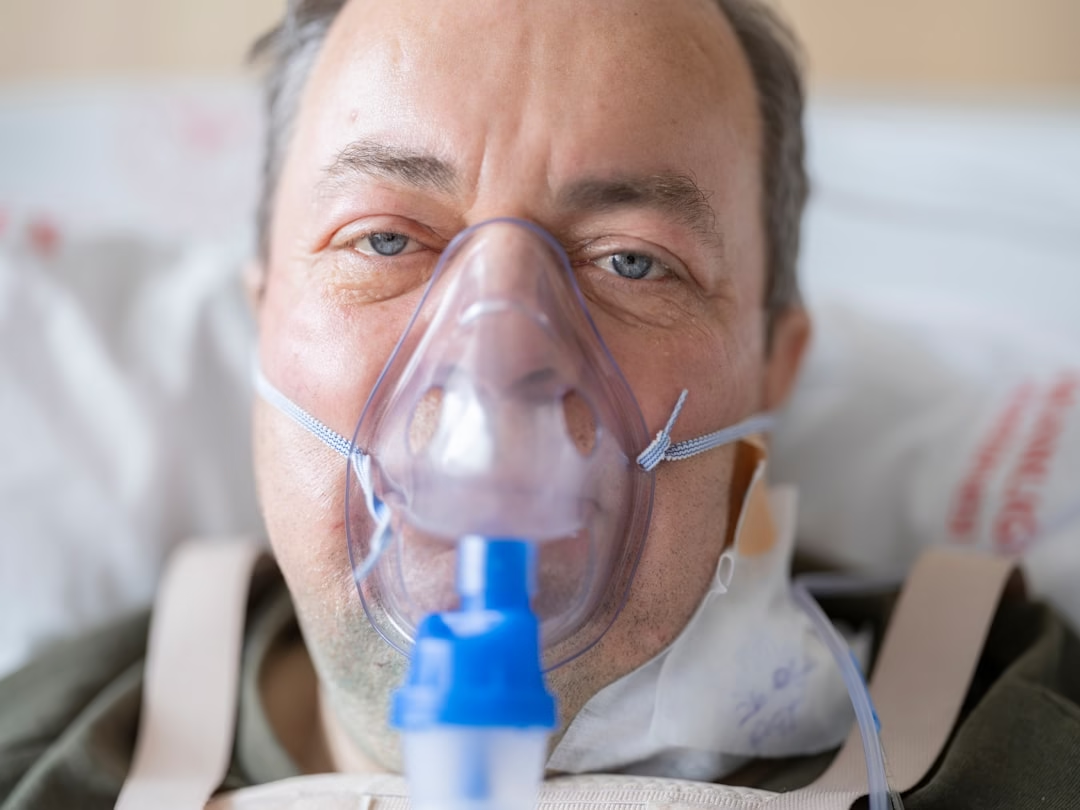
Common Questions About Oxygen Prescriptions
Patients often have questions about their prescriptions. A frequent query is whether they can adjust the flow rate if they feel better. The answer is always no; only a doctor should modify the prescription. Another common question concerns travel. Yes, you can travel with oxygen, but you must plan ahead with your provider. People also ask about the differences between concentrators and tanks. Concentrators filter room air, while tanks contain pre-filled oxygen. Furthermore, many wonder about exercise. Often, the prescription includes a higher flow rate for activity. For device-specific queries, contact our respiratory specialists. Understanding these answers ensures confident and compliant therapy management at home and abroad.
Expert Recommendations for Prescription Adherence
Experts emphasize strict adherence to your oxygen therapy prescription. First, use oxygen for the entire duration prescribed, even if you feel fine. Second, invest in a reliable pulse oximeter to monitor your blood oxygen levels at home. Additionally, keep a usage log to share with your doctor during follow-ups. Experts also recommend having a backup oxygen source for emergencies. Choose equipment from reputable suppliers that offer training and support. For instance, ensure you understand how to operate your chosen concentrator or ventilator. Finally, attend all scheduled medical appointments to review and potentially update your prescription. Following these professional recommendations maximizes therapeutic benefits and promotes long-term respiratory wellness.
Frequently Asked Questions (FAQ)
1. What does LPM mean on my oxygen therapy prescription?
LPM stands for Liters Per Minute. It indicates the flow rate of oxygen you need.
2. Can I use a portable concentrator if my prescription is for a tank?
Yes, but only if the portable unit can deliver your exact prescribed flow rate (continuous or pulse dose). Consult your provider.
3. How often should my oxygen equipment be serviced?
Stationary concentrators typically need servicing every 12-18 months. Portable units may need checks every 6-12 months, depending on use.
4. Is a prescription legally required for oxygen in the UAE?
Yes. Medical oxygen is a regulated substance. A valid prescription from a licensed physician is mandatory for purchase or rental.
5. What if my symptoms change?
Contact your doctor immediately. Do not adjust your oxygen flow yourself. Your prescription may need reassessment.
6. Where can I find quality equipment matching my prescription?
Browse our range of respiratory equipment and products designed to meet various prescription requirements safely.
Conclusion
Your medical oxygen therapy prescription is the essential blueprint for effective respiratory care. By understanding its components—flow rate, duration, and specifications—you take control of your health journey. Consequently, you can select the right equipment, use it safely, and achieve the intended benefits of improved energy and organ function. In the UAE, partnering with a trusted provider like Oxydubai ensures you receive devices that match your prescription and local regulations. Remember, consistent adherence is key. Therefore, always follow the prescribed guidelines and maintain open communication with your healthcare team. Ultimately, correctly reading and implementing your oxygen therapy prescription paves the way for a more active and fulfilling life.

