

Ramadan Respiratory Care – Complete Guide
Introduction
Managing respiratory conditions in UAE? Ramadan respiratory care requires careful planning and consideration. Fasting during this holy month presents unique challenges for individuals with asthma, COPD, sleep apnea, and other breathing difficulties. However, with proper guidance and preparation, most patients can observe Ramadan safely while maintaining their respiratory health.
Respiratory conditions often require consistent medication schedules and specialized equipment use. Consequently, patients must work closely with their healthcare providers to develop personalized Ramadan plans. The UAE Ministry of Health medical standards emphasize the importance of medical consultation before fasting.
At Oxydubai, trusted by 10,000+ UAE patients with premium respiratory equipment and products, we understand these challenges. Therefore, we’ve created this comprehensive guide to help respiratory patients navigate Ramadan successfully while prioritizing their health and spiritual practices.
Need Respiratory Solutions?
Understanding Ramadan Respiratory Care
Ramadan respiratory care involves managing breathing conditions while fasting from dawn to sunset. This comprehensive approach covers medication timing, equipment usage, and lifestyle adjustments. Patients with chronic respiratory diseases must prioritize their treatment plans while observing religious practices.
Islamic teachings provide exemptions for those whose health would be compromised by fasting. The Dubai Health Authority healthcare guidelines support these religious accommodations for medical reasons. Therefore, patients should consult both religious scholars and healthcare providers when making fasting decisions.
Proper Ramadan respiratory care requires understanding how fasting affects breathing patterns and medication absorption. Dehydration and changes in routine can trigger symptoms in asthma and COPD patients. However, strategic planning can minimize these risks effectively.
Benefits of Breathing Condition Management
Effective breathing condition management during Ramadan offers multiple advantages. Firstly, it maintains treatment consistency, preventing symptom exacerbation. Secondly, it supports spiritual practices without compromising health outcomes. Thirdly, it promotes better understanding of one’s condition and treatment needs.
Patients who properly manage their respiratory health during Ramadan often experience improved treatment adherence afterward. The structured approach to medication timing and equipment use can establish beneficial long-term habits. Additionally, successful Ramadan observance boosts confidence and emotional well-being.
According to World Health Organization respiratory health guidelines, consistent management of chronic conditions prevents complications. Using reliable equipment like the ResMed AirSense 11 CPAP machine ensures continuous therapy during non-fasting hours.
Ramadan Respiratory Care Features
Comprehensive Ramadan respiratory care includes several key features. Medication scheduling adjustments represent the most critical component. Patients must coordinate with doctors to create new timing schedules that maintain therapeutic effectiveness while respecting fasting hours.
Equipment management constitutes another essential feature. CPAP users, for instance, need to adjust their usage patterns. Portable devices like the Inogen One G5 portable oxygen concentrator offer flexibility for evening activities and prayers.
Hydration strategies form the third crucial feature. Respiratory patients often require adequate fluid intake to maintain mucus clearance and prevent bronchospasm. Consequently, strategic fluid consumption during non-fasting hours becomes paramount for successful Ramadan respiratory care.
Breathing Treatment Specifications
Respiratory treatments have specific requirements that must be considered during Ramadan. Inhaler medications, for example, typically don’t break the fast according to most Islamic scholars. However, patients should confirm this with their religious authorities and healthcare providers.
Oxygen therapy specifications remain consistent throughout Ramadan. Patients using concentrators or cylinders must maintain their prescribed flow rates and duration. The ResMed Astral 150 ventilator provides stable support for patients with more severe respiratory needs.
Sleep apnea treatment specifications require particular attention during Ramadan. Changing sleep patterns and eating schedules can affect therapy effectiveness. Therefore, patients should monitor their symptoms closely and consult specialists if adjustments are needed.
Expert Medical Advice?
Setup & Maintenance
Proper setup and maintenance of respiratory equipment ensures optimal performance during Ramadan. Patients should establish dedicated spaces for their devices at home. This organized approach facilitates consistent use during permitted hours and prevents treatment interruptions.
Regular equipment cleaning becomes even more important during Ramadan. Changing environmental conditions and usage patterns can affect device performance. The ResMed AirFit F30i mask, for example, requires daily cleaning to maintain seal integrity and hygiene.
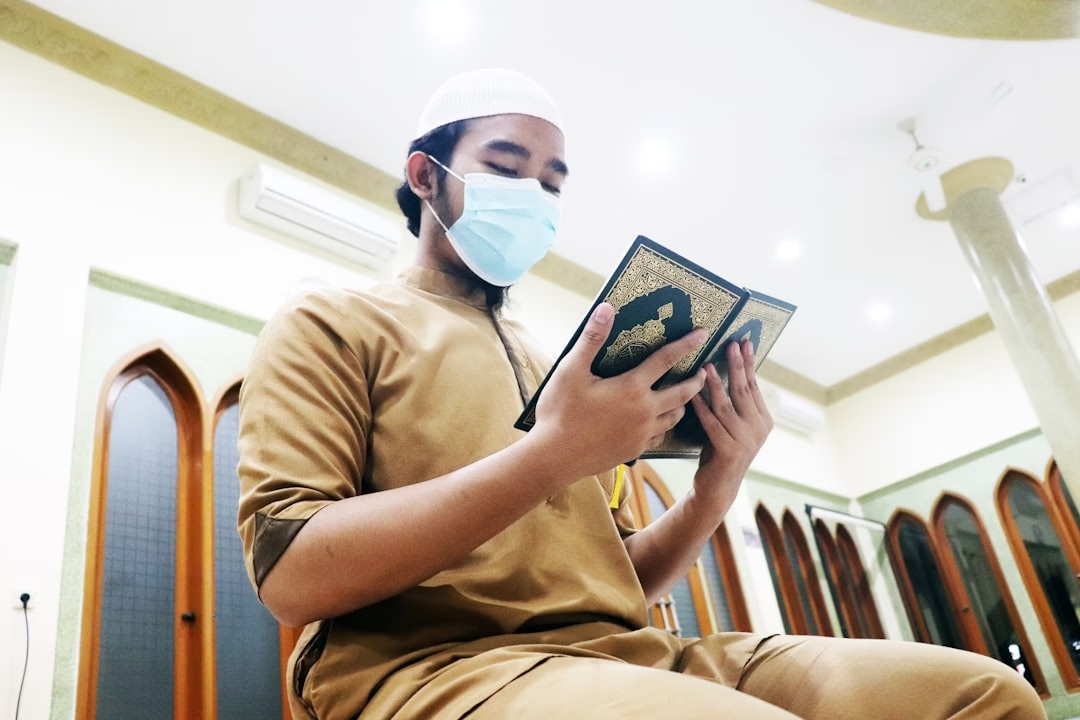
Battery maintenance for portable devices requires special consideration. Extended evening activities and prayers may increase portable equipment usage. According to Health Authority Abu Dhabi regulations, patients should ensure all equipment meets safety standards during increased usage periods.
Ramadan Respiratory Care Advantages
Implementing proper Ramadan respiratory care provides significant advantages for patients. The most important benefit is maintained health stability throughout the holy month. Patients who follow structured care plans typically experience fewer symptoms and complications.
Another advantage involves spiritual fulfillment without health compromises. When patients manage their conditions effectively, they can participate more fully in Ramadan activities. This balanced approach supports both physical health and religious observance.
Long-term health benefits represent the third major advantage. The discipline developed during Ramadan often translates to better ongoing condition management. Using travel-friendly options like the ResMed AirMini compact CPAP supports consistent treatment during and after Ramadan.
Common Questions
Respiratory patients frequently have questions about fasting during Ramadan. Many wonder whether using inhalers breaks the fast. Most Islamic scholars agree that inhalers don’t invalidate fasting since the medication reaches the lungs rather than the stomach.
Another common question involves oxygen therapy during fasting hours. Oxygen administration itself doesn’t break the fast. However, patients should consult their physicians about maintaining proper oxygenation levels while abstaining from food and drink.
Sleep apnea patients often ask about adjusting CPAP usage during Ramadan. The UAE Ministry of Health medical standards recommend continuing CPAP therapy during sleep hours, regardless of timing changes. Patients can use their devices during nighttime sleep without affecting fasting validity.
Expert Recommendations
Medical experts provide specific recommendations for respiratory patients during Ramadan. Pre-Ramadan medical assessment is strongly advised. This evaluation helps determine fasting safety and necessary treatment adjustments for individual patients.
Medication timing adjustments represent another key recommendation. Doctors typically recommend taking maintenance medications at Suhoor and Iftar. Rescue medications should remain accessible throughout fasting hours for emergency use when needed.
Gradual preparation before Ramadan helps patients adapt more easily. The UAE government healthcare regulations emphasize the importance of patient education and preparation. Consulting with specialists at Oxydubai ensures patients have appropriate equipment and understanding for successful Ramadan observance.
Frequently Asked Questions
Can I use my inhaler while fasting?
Most Islamic scholars permit inhaler use during fasting hours since the medication reaches the lungs, not the stomach. However, consult your religious authority for final guidance.
Does oxygen therapy break my fast?
Oxygen administration doesn’t break the fast. The oxygen enters your lungs rather than your digestive system.
How should I adjust my CPAP usage during Ramadan?
Continue your CPAP therapy during your sleep hours, even if your schedule shifts. Using CPAP doesn’t affect fasting validity.
What if I experience breathing difficulties while fasting?
Break your fast immediately and use your rescue medication. Your health takes precedence according to Islamic principles.
Can I take oral medications during fasting hours?
Oral medications typically break the fast. Discuss alternative timing or formulations with your doctor before Ramadan begins.
How does Ramadan respiratory care differ from regular care?
Ramadan respiratory care focuses on medication timing, hydration management, and equipment adjustment around fasting hours while maintaining treatment effectiveness.
Conclusion
Successful Ramadan observance with respiratory conditions requires careful planning and preparation. By understanding fasting exemptions, adjusting medication schedules, and planning appropriate Iftar meals, most patients can participate in Ramadan while maintaining their health. The key lies in balancing religious observance with medical necessities.
Consultation with healthcare providers before and during Ramadan ensures appropriate adjustments to treatment plans. Religious scholars can provide guidance on permissible accommodations for health reasons. This collaborative approach supports both spiritual and physical well-being throughout the holy month.
Effective Ramadan respiratory care enables patients to observe their religious practices safely. At Oxydubai, we’re committed to supporting respiratory patients with quality equipment and expert guidance. For personalized assistance with your respiratory needs during Ramadan, contact our respiratory specialists for comprehensive support.

