

Pulse Oximeters Oxygen Therapy Monitoring – Complete Guide
Managing respiratory conditions in UAE? Effective pulse oximeters oxygen therapy monitoring is crucial for patient safety and treatment success. This dual approach provides real-time data on blood oxygen levels and therapy effectiveness. Consequently, it empowers patients and caregivers with vital health insights. In the UAE’s diverse climate, from humid coasts to dry interiors, respiratory management requires precision. Therefore, reliable monitoring equipment becomes essential for maintaining wellness.
Modern devices offer seamless integration into daily life. They ensure that oxygen therapy delivers the prescribed benefits accurately. Moreover, consistent monitoring can alert users to potential health declines early. This proactive approach is supported by the World Health Organization respiratory health guidelines, which emphasize preventive care. At Oxydubai, trusted by 10,000+ UAE patients, we provide premium respiratory equipment and products. Our solutions are designed for the region’s specific needs.
Need Respiratory Solutions?
Understanding Pulse Oximeters Oxygen Therapy Monitoring
Pulse oximeters oxygen therapy monitoring combines two critical functions. First, a pulse oximeter measures SpO2 (oxygen saturation) and pulse rate non-invasively. Second, it assesses whether supplemental oxygen therapy is working correctly. This synergy is vital for conditions like COPD, sleep apnea, or post-COVID recovery. Importantly, it helps avoid both hypoxia and hyperoxia.
In the UAE, adherence to UAE Ministry of Health medical standards is paramount. These standards ensure devices are accurate and safe for home use. For instance, pairing an Inogen One G5 portable oxygen concentrator with a clinical-grade oximeter creates a robust monitoring system. Thus, patients can verify their oxygen levels remain optimal during therapy. This process provides peace of mind and data for healthcare reviews.
Benefits of Integrated Respiratory Monitoring
Integrated monitoring offers significant advantages for patient health. Primarily, it enables immediate feedback on therapy effectiveness. If oxygen levels drop, the user can adjust flow rates or seek help. Additionally, long-term data tracking reveals trends that single readings might miss. This is especially useful for managing progressive conditions.
Furthermore, this approach supports compliance with Dubai Health Authority healthcare guidelines. These guidelines recommend regular monitoring for chronic respiratory patients. For example, users of a Philips Respironics DreamStation Auto CPAP can use oximetry to check overnight oxygen stability. Consequently, therapy can be fine-tuned for better sleep and health outcomes. The result is more personalized and effective respiratory care.
Pulse Oximeters Oxygen Therapy Monitoring Features
Key features define effective pulse oximeters oxygen therapy monitoring systems. High accuracy (±2% SpO2) is non-negotiable for medical reliability. Also, durable designs withstand frequent use in various environments. Many modern devices include Bluetooth connectivity for data syncing to smartphones. This allows for easy sharing with doctors during telehealth consultations.
Moreover, features like perfusion index and plethysmograph graphs offer deeper insights. They help distinguish reliable readings from motion artifacts. For comprehensive therapy, devices like the Philips DreamStation Auto BiPAP machine work in tandem with monitoring. This ensures both air pressure support and oxygenation are optimal. Ultimately, these features empower users to take control of their respiratory health confidently.
Monitoring System Specifications
Selecting the right equipment requires understanding technical specifications. For oximeters, look for FDA-cleared or CE-marked devices ensuring clinical validity. Battery life should be long, especially for portable concentrator users. Display readability in various lighting conditions is also crucial. Additionally, alarm settings for low SpO2 and high heart rate provide critical safety nets.
Similarly, oxygen concentrators must match medical prescriptions for flow rates (LPM). Devices like the BMC Resmart G2S A20 Auto CPAP machine integrate humidification, enhancing comfort during extended use. Compliance with Health Authority Abu Dhabi regulations guarantees device safety and efficacy. Therefore, always verify specifications align with both personal needs and regional regulatory standards.
Expert Medical Advice?
Setup and Daily Maintenance
Proper setup ensures accurate pulse oximeters oxygen therapy monitoring. First, place the oximeter on a clean, warm finger without nail polish. Then, ensure the oxygen concentrator or CPAP is on a stable surface with clear vents. Next, connect the oxygen tubing securely to avoid leaks. Finally, turn on devices and allow them to calibrate before recording readings.
Daily maintenance is straightforward but vital. Wipe the oximeter sensor with a soft, dry cloth after each use. Similarly, clean oxygen cannulas or masks daily as per manufacturer instructions. For devices like the ResMed AirFit F30i full face mask, regular cleaning prevents skin irritation and maintains seal integrity. Additionally, check battery levels and replace them promptly. This routine guarantees consistent performance and device longevity.
Pulse Oximeters Oxygen Therapy Monitoring Advantages
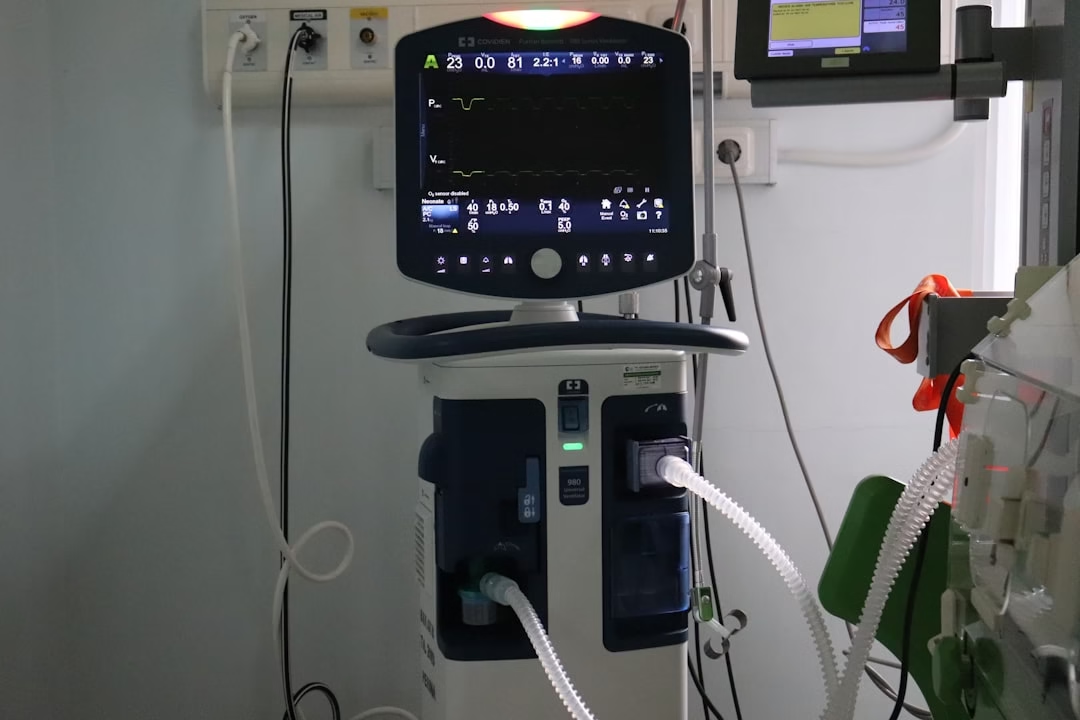
The advantages of robust pulse oximeters oxygen therapy monitoring are multifaceted. Clinically, it provides objective data to guide treatment adjustments, reducing hospital visits. Financially, it can lower long-term healthcare costs by preventing complications. Psychologically, it reduces anxiety by giving patients tangible control over their condition.
For complex cases requiring ventilation support, pairing monitoring with a BMC BPAP G2S B25VT/B30VT ventilator ensures comprehensive care. This aligns with UAE government healthcare regulations promoting home-based care where safe. Ultimately, the greatest advantage is improved quality of life. Patients can engage in daily activities with confidence, knowing their oxygenation is stable.
Common Questions Answered
Users often have practical questions about monitoring. How often should I check my SpO2? For stable patients, twice daily is typical, but follow your doctor’s advice. Can I use any pulse oximeter? No, choose one validated for medical use, not just fitness. What is a normal SpO2 range? Typically 95-100%, but targets may be lower for some COPD patients.
Another frequent question involves equipment compatibility. For instance, can I monitor my oxygen while using a Philips DreamStation BiPAP ST machine? Absolutely, and it is highly recommended to ensure the BiPAP settings are adequately supporting oxygenation. For personalized answers, always contact our respiratory specialists. They can provide guidance tailored to your specific equipment and health profile.
Expert Recommendations for UAE Residents
Experts recommend a proactive and informed approach to respiratory care in the UAE. First, invest in quality equipment from reputable suppliers like Oxydubai. Second, establish a consistent monitoring routine and keep a log for doctor visits. Third, understand how local factors like air quality or seasonal changes might affect your condition.
Furthermore, ensure your equipment setup is reviewed annually by a technician. This maintains accuracy and safety. Leverage resources like the World Health Organization respiratory health guidelines for best practice updates. Finally, do not hesitate to seek professional help if readings consistently fall outside your target range. Early intervention is key to managing respiratory health successfully in the long term.
Frequently Asked Questions (FAQ)
Q1: How does altitude in the UAE affect oxygen monitoring?
Higher altitudes, like in Hatta, have lower atmospheric oxygen pressure. This may cause slightly lower SpO2 readings for some individuals. Monitor closely when traveling to different elevations.
Q2: Can I use a smartwatch for medical oximetry?
Most smartwatches are not FDA/CE-cleared for medical diagnosis. For reliable pulse oximeters oxygen therapy monitoring, use a dedicated, clinically validated finger pulse oximeter.
Q3: How do I clean my pulse oximeter sensor?
Use a soft cloth lightly dampened with alcohol-based disinfectant. Do not submerge the device in liquid, and ensure it’s completely dry before use.
Q4: What flow rate should my oxygen concentrator be set to?
This is prescribed by your doctor based on your condition and activity level. Never adjust the flow rate without medical consultation.
Q5: Where can I buy reliable monitoring equipment in Dubai?
Oxydubai offers a wide range of clinically approved respiratory equipment and products, with expert support for UAE residents.
Q6: Do I need a prescription for a pulse oximeter?
In the UAE, medical-grade oximeters typically do not require a prescription for purchase. However, using them as part of prescribed therapy should always be guided by a healthcare professional.
Conclusion
Effective pulse oximeters oxygen therapy monitoring is a cornerstone of modern respiratory care. It bridges the gap between clinical treatment and daily life management. In the UAE’s dynamic environment, having accurate, reliable equipment is not just convenient—it’s essential for health security. This integrated approach allows for personalized adjustments and proactive health management.
By choosing the right devices from trusted providers and adhering to maintenance routines, patients can achieve greater independence and stability. Remember, data from your monitoring is a powerful tool for discussions with your healthcare team. For a comprehensive range of solutions, from concentrators to CPAPs, explore our curated selection. Take the next step towards confident respiratory health management today with Oxydubai’s support.