

Pulmonary Hypertension Heat Monitoring – Complete Guide
Managing respiratory conditions in UAE? Pulmonary hypertension (PH) demands constant vigilance, especially in extreme heat. Consequently, patients face unique challenges as high temperatures can strain the cardiovascular system. This guide explores essential monitoring strategies. Moreover, it highlights critical equipment for maintaining stability. The UAE’s climate requires specific adaptations for PH care. Therefore, understanding these nuances is vital for patient safety and quality of life.
Heat causes blood vessels to dilate. This process increases heart workload. For PH patients, this extra strain can be dangerous. Furthermore, dehydration risks escalate in summer. Regular monitoring becomes non-negotiable. At Oxydubai, trusted by 10,000+ UAE patients, we provide premium respiratory equipment and products designed for regional conditions. Our solutions support consistent health management.
This article details practical approaches. It also covers technological aids for effective tracking. Ultimately, proactive management helps prevent complications. Let’s explore how to safeguard health during UAE summers.
Need Respiratory Solutions?
Understanding Pulmonary Hypertension Heat Monitoring
Pulmonary hypertension heat monitoring involves tracking vital signs in warm environments. Specifically, it focuses on pulmonary artery pressure changes. Patients must watch for symptom escalation. Heat exposure often worsens shortness of breath. Additionally, fatigue and dizziness may increase. Therefore, daily log-keeping is crucial. This practice helps identify personal risk thresholds.
Monitoring includes several key parameters. Oxygen saturation levels are primary indicators. Blood pressure and heart rate trends are equally important. Furthermore, weight tracking detects fluid retention. Consistent data collection reveals patterns. For instance, it can show how specific temperatures affect you. The World Health Organization respiratory health guidelines emphasize environmental factor management. Adhering to these principles is essential.
Technology plays a supportive role. Portable monitors provide real-time feedback. Devices like the Inogen One G5 portable oxygen concentrator ensure oxygen needs are met outdoors. Ultimately, understanding your body’s responses enables better heat adaptation. This knowledge empowers informed daily decisions.
Benefits of Constant PH Vigilance
Constant vigilance offers significant advantages for PH patients. First, it enables early intervention. Spotting subtle changes prevents major crises. Consequently, hospital visits may reduce. Patients gain greater control over their health. Moreover, consistent tracking builds a comprehensive health picture. This data is invaluable for doctor consultations.
Psychological benefits are also notable. Patients often experience reduced anxiety. Knowing your status provides reassurance. Furthermore, it promotes treatment adherence. You can see the direct impact of medications and lifestyle. The UAE Ministry of Health medical standards advocate for patient empowerment through self-monitoring. This approach aligns with modern healthcare philosophy.
Lifestyle flexibility improves with good monitoring. You can plan activities more confidently. Understanding your limits allows safer participation. Additionally, it helps in managing energy expenditure. Ultimately, quality of life enhances significantly. Patients report feeling more secure and independent.
Pulmonary Hypertension Heat Monitoring Features
Effective pulmonary hypertension heat monitoring relies on specific features. Integrated temperature alerts are crucial. Devices should warn about unsafe environmental conditions. Furthermore, seamless data synchronization is essential. This allows trend analysis over time. Portable devices must be lightweight and durable. Battery life should support full-day use.
Multi-parameter tracking is a key feature. Ideal systems monitor SpO2, heart rate, and activity. Some advanced devices even estimate fluid status. For example, the ResMed Astral 150 ventilator offers sophisticated monitoring capabilities. These features are vital for comprehensive care.
User-friendly interfaces ensure consistent use. Simple data readouts and clear alerts are important. Additionally, connectivity with healthcare providers adds value. Remote monitoring options provide extra safety. These features collectively support robust heat management. They transform complex data into actionable insights.
Essential Monitoring Specifications
Selecting monitoring equipment requires attention to specifications. Accuracy is paramount, especially for oximetry. Look for medical-grade validation. Measurement ranges must cover PH patient needs. Response time should be quick for real-time feedback. Additionally, device operating temperature ranges matter in UAE heat.
Battery specifications affect usability. Long battery life supports all-day monitoring. Fast charging capabilities are beneficial. Furthermore, memory capacity determines data history. Devices should store several weeks of readings. The Dubai Health Authority healthcare guidelines recommend devices meeting international standards. Compliance ensures reliability and safety.
Durability specifications include dust and moisture resistance. This is crucial for regional conditions. Screen readability in bright sunlight is another consideration. Finally, data export options facilitate doctor sharing. These specifications ensure your device performs reliably. They support effective long-term management.
Expert Medical Advice?
Setup and Daily Maintenance
Proper setup ensures monitoring accuracy. First, calibrate devices as manufacturer instructions direct. Position sensors correctly for reliable readings. Establish a consistent daily routine. Take measurements at similar times each day. Furthermore, record readings alongside activity and temperature notes.
Daily maintenance is straightforward but vital. Clean sensors with approved solutions. This prevents skin irritation and ensures accuracy. Check device batteries regularly. Additionally, verify data is syncing if applicable. Simple checks prevent data gaps. The Health Authority Abu Dhabi regulations emphasize equipment maintenance for patient safety. Following these protocols is essential.
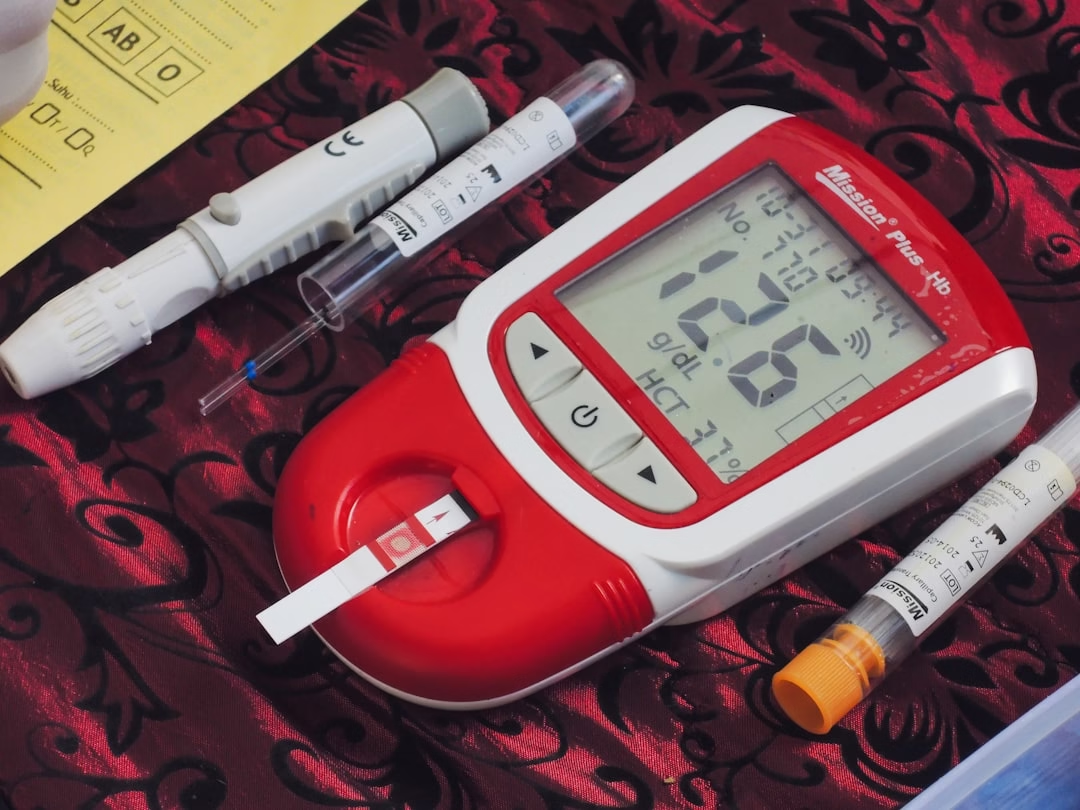
Create a dedicated monitoring station at home. Keep supplies organized and accessible. Furthermore, establish backup procedures for power outages. Portable chargers are useful for mobile devices. Regular maintenance ensures equipment longevity. It also guarantees consistent, reliable data for health decisions.
Pulmonary Hypertension Heat Monitoring Advantages
The advantages of pulmonary hypertension heat monitoring are substantial. Firstly, it provides personalized heat tolerance insights. You learn your specific triggers and limits. Consequently, you can avoid dangerous situations. This proactive approach reduces emergency risks significantly. Moreover, it supports medication optimization. Doctors can adjust treatments based on detailed data.
Enhanced safety during travel is another advantage. Monitoring provides confidence when moving between environments. For instance, transitioning from air-conditioned spaces to outdoor heat. Using a ResMed AirMini compact CPAP ensures therapy continuity. This is crucial for PH patients managing sleep apnea alongside PH.
Long-term health tracking reveals progression patterns. This information is invaluable for treatment planning. Furthermore, it empowers patients in healthcare discussions. You become an active partner in your care. Ultimately, these advantages contribute to better health outcomes. They also improve daily living despite PH challenges.
Common Patient Questions Answered
Patients often ask about monitoring frequency. Generally, check vital signs at least twice daily. Increase frequency during heatwaves or symptom changes. Another common question concerns device selection. Choose medically approved devices for accuracy. Furthermore, consider your specific mobility and lifestyle needs.
Many wonder about data interpretation. Look for trends rather than single readings. Sudden drops in oxygen saturation need prompt attention. Additionally, consistent weight gain may indicate fluid retention. The UAE government healthcare regulations support patient education initiatives. Understanding your data is part of this process.
Travel questions are frequent. Always carry monitoring equipment and documentation. Plan for power access and climate control. Furthermore, identify medical facilities along your route. Proper planning ensures safety away from home. These answers address core patient concerns. They provide a foundation for confident management.
Expert Recommendations for UAE Patients
Experts emphasize hydration as the top priority. Drink water consistently, even without thirst. Avoid caffeine and alcohol during peak heat. Secondly, plan outdoor activities for cooler hours. Early mornings or late evenings are best. Furthermore, use cooling accessories like misting fans. These simple tools make a significant difference.
Medical device selection should consider local conditions. Choose equipment rated for high temperatures. Ensure proper storage when not in use. For example, the ResMed AirFit F30i mask offers comfort in humid conditions. This improves therapy adherence during hot nights.
Establish a heat emergency plan. Know when to seek immediate help. Keep emergency contacts accessible. Additionally, inform family members about your monitoring system. Regular consultation with specialists is crucial. Finally, listen to your body and respect its signals. These recommendations form a comprehensive safety strategy.
Frequently Asked Questions
How does heat specifically affect pulmonary hypertension? Heat causes vasodilation, increasing heart workload. This can elevate pulmonary artery pressure. Dehydration thickens blood, further straining the heart.
What is the most critical sign to monitor in heat? Oxygen saturation (SpO2) is paramount. Sudden drops indicate immediate intervention is needed. Also, monitor for increased shortness of breath.
Can I use smartphone apps for pulmonary hypertension heat monitoring? Apps can supplement but not replace medical devices. Use them for logging symptoms and environmental data. Always rely on validated medical equipment for vital signs.
How often should I calibrate my monitoring equipment? Follow manufacturer guidelines, typically every 6-12 months. However, perform basic accuracy checks monthly. Compare readings with clinical measurements during doctor visits.
Are there specific pulmonary hypertension heat monitoring devices for travel? Yes, compact pulse oximeters and portable concentrators are ideal. The ResMed AirSense 11 CPAP machine is travel-friendly for comorbid sleep apnea.
When should I go to the hospital during hot weather? Seek immediate care if experiencing chest pain, severe dizziness, or SpO2 below 90%. Also, go if symptoms worsen despite cooling measures and rest.
Conclusion
Effective pulmonary hypertension heat monitoring is achievable with the right approach. It combines vigilance, technology, and lifestyle adaptation. Consequently, patients can navigate UAE summers more safely. This guide has outlined essential strategies and equipment options. Remember, consistency in monitoring provides the best protection.
Invest in reliable medical devices suited to your needs. Establish daily routines for tracking and maintenance. Furthermore, stay informed about your condition and environmental impacts. The relationship with your healthcare team is vital. Share your monitoring data regularly for optimal guidance.
Living with PH in a hot climate presents challenges. However, proactive management empowers you. You can maintain activity and quality of life. For personalized advice and premium equipment, contact our respiratory specialists. Take control of your health journey today. Stay cool, stay monitored, and stay well.