

Portable vs Stationary Oxygen – Complete Guide
Searching for oxygen therapy equipment? Choosing between portable and stationary oxygen is a crucial decision for anyone managing a respiratory condition. This choice directly impacts your mobility, lifestyle, and overall treatment effectiveness. Consequently, understanding the differences is essential for optimal health outcomes. In the UAE’s dynamic environment, where life moves between home, office, and travel, the right equipment empowers you. It ensures you receive consistent therapy without compromising your daily activities.
Oxygen therapy provides vital medical benefits for conditions like COPD, pulmonary fibrosis, and severe sleep apnea. It increases blood oxygen levels, reduces breathlessness, and improves stamina. Moreover, it enhances sleep quality and overall cognitive function. Therefore, selecting the correct system is not just about convenience; it’s about therapeutic efficacy. In the UAE, factors like climate, travel habits, and home size play a significant role in this decision.
At Oxydubai, trusted by 10,000+ UAE patients, we provide premium respiratory equipment and products. Our team helps you navigate this important choice with expert, personalized advice. We ensure you find a solution that fits both your medical requirements and your lifestyle perfectly.
Need Respiratory Solutions?
Understanding Portable vs Stationary Oxygen
Portable vs stationary oxygen systems serve the same fundamental purpose. However, their design and use cases differ dramatically. Stationary concentrators are larger units designed for primary use at home. They plug into a standard wall outlet and often include advanced features like integrated humidifiers. For instance, the Philips Respironics DreamStation Auto CPAP is a stationary device ideal for nightly sleep therapy.
Portable oxygen concentrators (POCs), conversely, are lightweight and battery-powered. They are built for mobility, allowing users to leave their homes confidently. The Inogen One G5 portable oxygen concentrator exemplifies this category. It offers freedom for shopping, travel, and social events. Choosing between them depends on your oxygen flow needs and activity level. Always consult the World Health Organization respiratory health guidelines for global best practices.
Benefits of Oxygen Therapy Systems
Both system types offer significant health and lifestyle advantages. Stationary units typically deliver higher, continuous flow rates. This makes them suitable for patients with greater oxygen requirements during rest or sleep. Furthermore, they are robust workhorses designed for 24/7 operation. They often work in tandem with devices like the Philips DreamStation Auto BiPAP machine for complex cases.
Portable systems, however, champion independence and mental well-being. They reduce feelings of confinement associated with chronic illness. Additionally, they encourage physical activity, which is beneficial for pulmonary rehabilitation. Adherence to UAE Ministry of Health medical standards ensures all devices are safe and effective. Ultimately, the right system improves quality of life by supporting your unique routine.
Portable vs Stationary Oxygen Features
Key features distinguish portable vs stationary oxygen devices. Stationary concentrators offer high oxygen output, often up to 5-10 liters per minute (LPM). They include large filters, sophisticated alarms, and sometimes built-in oxygen monitoring. For example, the BMC Resmart G2S A20 Auto CPAP machine combines therapy with detailed data tracking. These features are essential for managing severe conditions at home.
Portable units prioritize compact size, weight, and battery life. They use pulse-dose delivery, which conserves oxygen by releasing it only when you inhale. Many feature multiple power sources, like AC, DC, and battery. Sound levels are also a critical feature for both types. A quiet device, like many stationary models, is vital for uninterrupted sleep. Compliance with Dubai Health Authority healthcare guidelines guarantees these features meet local safety norms.
Oxygen Concentrator Specifications
Examining technical specifications is crucial. For stationary units, focus on flow rate (LPM), power consumption, and noise level (decibels). Weight and dimensions matter for placement within your home. Conversely, portable concentrator specs highlight battery duration and charge time. Also, consider the unit’s weight and whether it is FAA-approved for air travel. These details directly impact daily usability.
Another key spec is oxygen purity, which should remain above 90% at all flow rates. Devices like the Philips DreamStation BiPAP ST machine have specific pressure and backup rate specifications. Similarly, the BMC BPAP G2S B25VT/B30VT ventilator has advanced timing controls. Always verify that equipment specifications align with Health Authority Abu Dhabi regulations for assurance.
Expert Medical Advice?
Setup and Maintenance
Proper setup ensures therapy effectiveness and device longevity. Stationary concentrators need a dedicated, well-ventilated space. They require a stable power connection, possibly with a backup solution for UAE power fluctuations. Maintenance involves regular filter cleaning and replacement. Tubing and cannulas should be changed as per schedule. For integrated systems, like those using a ResMed AirFit F30i full face mask, mask cushion replacement is also key.
Portable unit setup is simpler but requires diligent battery management. You must establish a charging routine to ensure the device is always ready. Maintenance includes wiping the exterior and cleaning the small particle filter. Additionally, you should check the battery’s health periodically. Following the manufacturer’s guide and UAE government healthcare regulations for medical device upkeep is mandatory. Consequently, your device will perform reliably for years.
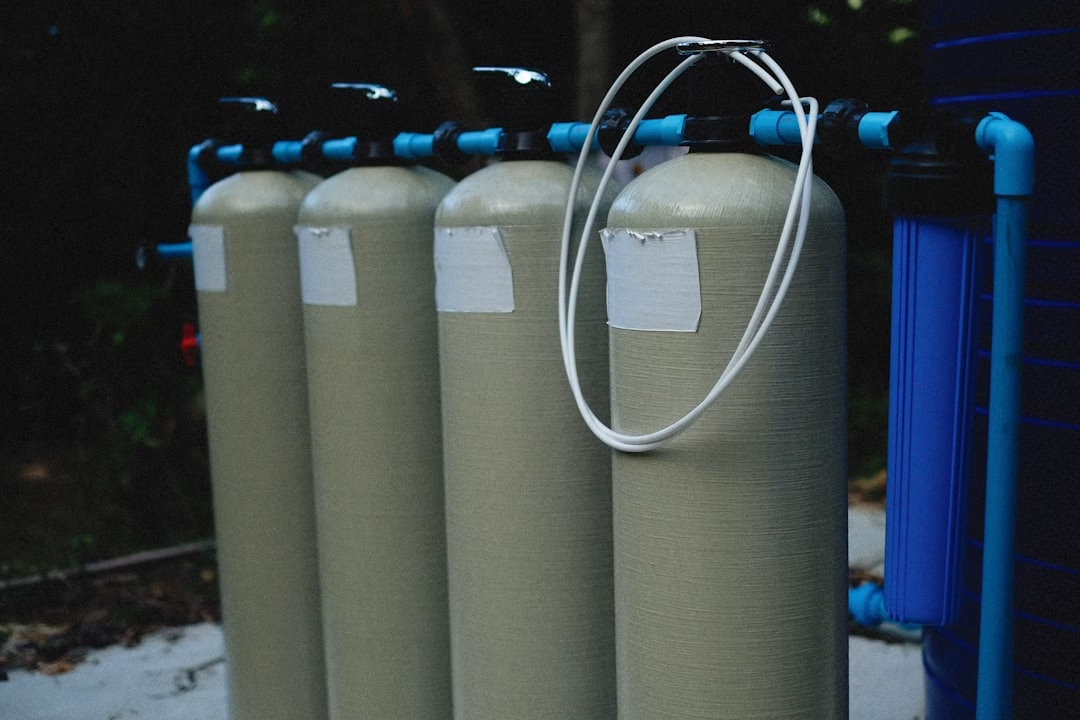
Portable vs Stationary Oxygen Advantages
The primary advantage of stationary oxygen is its reliability and power. It delivers continuous, high-flow therapy without battery concerns. This is ideal for nighttime use or for patients who are mostly homebound. It often pairs seamlessly with other stationary respiratory equipment. Therefore, it forms the cornerstone of treatment for many individuals.
Portable vs stationary oxygen comparisons highlight mobility as the POC’s supreme advantage. It enables travel, work, and social participation. Modern POCs are discreet and quiet, reducing stigma. This freedom profoundly improves psychological health and treatment adherence. For active individuals in the UAE, a portable system can be life-changing. It complements your stationary unit for comprehensive coverage.
Common Questions Answered
Patients often ask if one device can do everything. Typically, the answer is no. A stationary unit is best for primary, high-demand use at home. A portable device is for mobility. Many patients use both: a stationary concentrator at home and a POC for outings. This combination provides optimal therapeutic coverage and lifestyle flexibility.
Another frequent question concerns cost and insurance. In the UAE, many insurance plans cover part of the cost with a physician’s prescription. Maintenance costs, like filters and batteries, are an ongoing consideration. Moreover, people wonder about travel rules. Most airlines accept FAA-approved POCs, but you must notify them in advance. Always contact our respiratory specialists for the latest guidance on coverage and travel.
Expert Recommendations
Our first recommendation is always to consult your pulmonologist. Your prescription, based on blood oxygen levels and activity, is the starting point. Next, assess your typical day. Do you spend most of your time at home? Then a robust stationary unit may suffice. However, if you leave home regularly, a portable system is essential. For comprehensive care, a combination approach is often most effective.
Consider future needs as well. A condition may be stable now but could progress. Choosing a system that can adapt is wise. Furthermore, invest in quality from reputable providers. High-quality equipment, from brands like Philips or ResMed, offers better reliability and support. Finally, establish a relationship with a trusted supplier for ongoing maintenance and advice. This ensures your respiratory health is consistently supported.
Frequently Asked Questions
Can I use a portable concentrator while I sleep? Some POCs are approved for overnight use with specific pulse-dose settings. However, for continuous flow needs during sleep, a stationary unit is usually recommended.
How long do portable oxygen concentrator batteries last? Battery life varies by model and flow setting. It can range from 2 to 8 hours. Always carry a spare battery for extended outings.
What is the main difference in oxygen delivery? Stationary units often provide continuous flow. Portable models typically use pulse-dose delivery, which is more efficient for batteries.
Are these devices noisy? Technology has improved significantly. Modern devices, both portable and stationary, are much quieter than older models.
How do I clean my oxygen concentrator? Follow the manufacturer’s instructions. Generally, you wipe the exterior and clean or replace the inlet filter regularly. Never use liquid on the main unit.
What should I consider for portable vs stationary oxygen in the UAE climate? Heat and dust can affect filters. Ensure you clean filters more frequently and keep devices in cool, dry places. Our respiratory equipment and products are selected for UAE conditions.
Conclusion
Choosing between portable and stationary oxygen is a significant decision that balances medical needs with personal freedom. A stationary concentrator provides powerful, reliable therapy for home use. Meanwhile, a portable unit unlocks mobility and an active lifestyle. For many in the UAE, using both systems offers the perfect solution. This approach ensures you have the right tool for every part of your day.
Ultimately, your health, prescription, and daily habits should guide your choice. Consult with your doctor and speak with knowledgeable suppliers. They can provide tailored advice based on the latest technology and UAE medical standards. At Oxydubai, we are committed to helping you navigate your portable vs stationary oxygen decision. We provide the equipment and support you need to breathe easier and live fully.
Ready to find your ideal oxygen solution? Explore our curated selection or speak with an expert today. Take the next step towards improved respiratory health and greater independence.

