Portable Oxygen Concentrators vs Cylinders – Complete Guide
Introduction
Searching for oxygen therapy equipment in Dubai? Choosing between portable oxygen concentrators vs cylinders is a critical decision. This choice impacts mobility, lifestyle, and treatment efficacy. Oxygen therapy is essential for managing COPD, pulmonary fibrosis, and severe sleep apnea. Consequently, selecting the right equipment ensures better health outcomes and independence.
In the UAE’s dynamic environment, factors like travel, heat, and accessibility matter greatly. Portable units offer freedom, while cylinders provide high-flow reliability. Understanding your medical needs and daily routine is the first step. At Oxydubai, trusted by 10,000+ UAE patients, we provide premium respiratory equipment and products. Our team helps you navigate this important choice with expert guidance.
This guide will compare all aspects of portable oxygen concentrators vs cylinders. We cover technology, costs, maintenance, and UAE regulations. Ultimately, our goal is to empower you with clear, actionable information. Therefore, you can make a confident decision for your respiratory health.
Need Respiratory Solutions?
Understanding Portable Oxygen Concentrators vs Cylinders
Portable oxygen concentrators vs cylinders represent two distinct technologies. Concentrators filter nitrogen from ambient air to deliver purified oxygen. They are electrically powered and require a battery or outlet. Conversely, cylinders contain pre-compressed oxygen gas under high pressure. They deliver oxygen until the tank is empty and needs refilling.
The fundamental difference lies in oxygen generation versus storage. For instance, concentrators create a continuous supply from the environment. However, cylinders store a finite amount of gas. This impacts portability, running time, and operational costs significantly. According to World Health Organization respiratory health guidelines, consistent oxygen saturation is vital for chronic conditions.
In Dubai, your choice may depend on lifestyle and prescription flow rates. Active individuals often prefer the freedom of a concentrator like the Inogen One G5 portable oxygen concentrator. Meanwhile, stationary high-flow needs might suit cylinders better. Understanding these core technologies is the first step to a smart decision.
Benefits of Oxygen Delivery Systems
Both systems offer unique advantages for respiratory therapy. Portable concentrators provide unmatched mobility and continuous oxygen supply. They are lightweight, travel-friendly, and operate quietly. Furthermore, they eliminate the logistical hassle of regular refills. This is particularly beneficial in the UAE’s sprawling urban areas.
Oxygen cylinders, however, deliver very high flow rates without electricity. They are reliable during power outages and have a simple mechanical design. For patients requiring high liters per minute (LPM), cylinders can be essential. The UAE Ministry of Health medical standards emphasize having a backup plan for power-dependent devices.
Ultimately, the benefits align with user priorities: freedom versus power independence. Many users employ a hybrid approach. They use a concentrator for daily activities and keep a cylinder for backup. This strategy ensures comprehensive coverage for all situations.
Portable Oxygen Concentrators vs Cylinders Features
Examining the features of portable oxygen concentrators vs cylinders reveals key distinctions. Modern concentrators offer pulse-dose and continuous-flow settings. They include long-life batteries, intuitive displays, and FAA approval for travel. For example, the Inogen One G5 is renowned for its compact size and efficiency.
Cylinder features focus on safety and capacity. They have pressure gauges, flow regulators, and robust construction. Features like lightweight aluminum alloy tanks improve portability. However, their primary feature is delivering high, consistent flow rates on demand. This is crucial for certain medical conditions outlined by the Dubai Health Authority healthcare guidelines.
Additional features include smart alerts and connectivity in advanced concentrators. These devices can sync with apps to track usage and oxygen saturation. Cylinders, while less technologically complex, offer straightforward, fail-safe operation. Comparing these features helps match the equipment to the patient’s specific therapeutic and lifestyle needs.
Oxygen Therapy Specifications
Technical specifications dictate clinical suitability. Portable concentrators typically deliver 0.5 to 3 liters per minute in pulse flow. Their weight ranges from 2 to 5 kilograms, with battery life from 3 to 13 hours. Conversely, cylinders come in various sizes (e.g., M6, D, E) holding different oxygen volumes. Their weight is substantial when full, and duration depends entirely on flow rate.
Specifications must align with your doctor’s prescription. A patient prescribed 2 LPM continuous flow needs a device capable of that output. Some concentrators, like certain CPAP combo units such as the Philips Respironics DreamStation Auto CPAP, integrate with oxygen ports. Compliance with Health Authority Abu Dhabi regulations for medical devices is mandatory for all equipment sold.
Always verify the device’s specs against your daily oxygen requirements and activity level. Also, consider noise levels, charge time, and operating temperature ranges. These factors ensure the equipment performs reliably in the UAE climate.
Expert Medical Advice?
Setup & Maintenance
Setup and maintenance differ greatly between these systems. A portable oxygen concentrator requires initial charging and filter cleaning. Setup involves selecting the correct flow setting and attaching a cannula. Maintenance is mostly about cleaning filters weekly and checking the battery. For instance, maintaining a BMC Resmart G2S A20 Auto CPAP machine with oxygen integration follows similar hygiene protocols.
Oxygen cylinders need a regulator attachment and secure storage. Setup involves opening the valve and adjusting the flowmeter. Maintenance focuses on ensuring no leaks, safe handling, and timely refills. Regular hydrostatic testing is required for cylinder integrity, as per UAE government healthcare regulations.
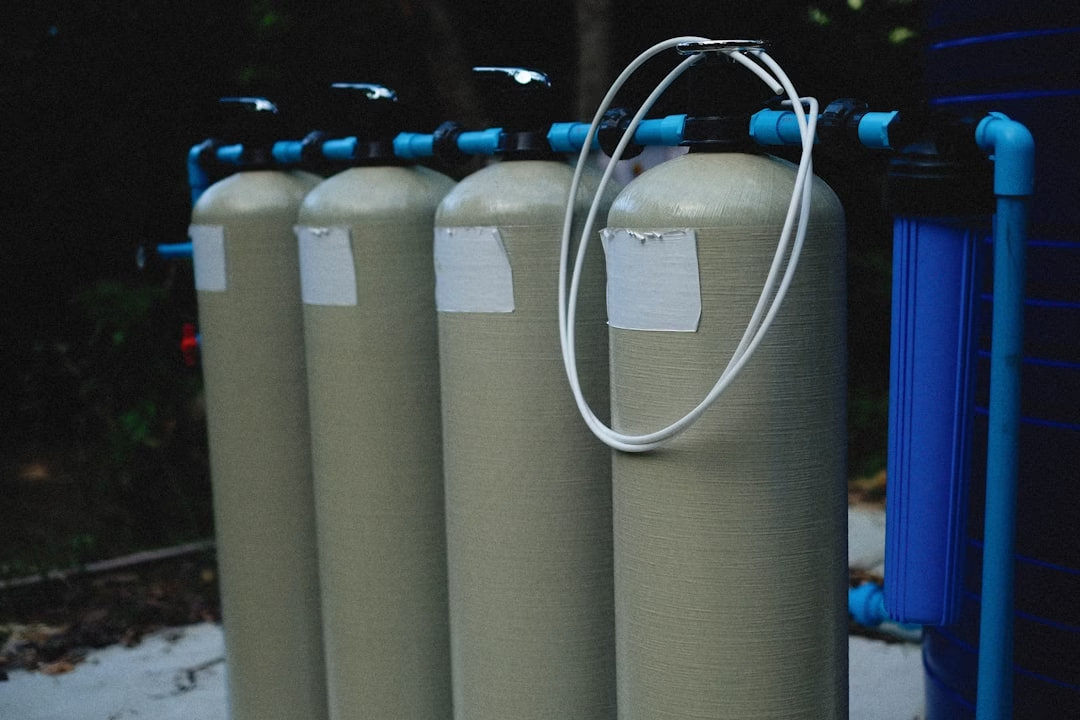
Overall, concentrators have higher upfront complexity but simpler daily logistics. Cylinders have simpler mechanics but ongoing refill logistics. Your choice may depend on your comfort with technology and access to support services.
Portable Oxygen Concentrators vs Cylinders Advantages
The advantages of portable oxygen concentrators vs cylinders are clear in specific scenarios. Concentrators offer long-term cost savings and eliminate refill worries. They enable true independence for travel and social activities. Moreover, they provide a constant oxygen supply without running out unexpectedly.
Cylinders have the advantage of working during power cuts. They are also silent and can deliver very high flow rates instantly. For patients using advanced Philips DreamStation Auto BiPAP machine or BMC BPAP G2S B25VT/B30VT ventilator, a cylinder backup is often recommended.
In summary, concentrators excel in mobility and convenience. Cylinders excel in reliability and high-flow capability. Assessing which advantages align with your health needs and lifestyle is crucial for optimal therapy.
Common Questions
Patients often have questions about choosing and using their equipment. A frequent question is about travel approval for concentrators on airlines. Most modern units are FAA-approved for in-flight use. Another common query concerns the lifespan of concentrators versus cylinders. Concentrators last 4-7 years, while cylinders can last decades with proper testing.
People also ask about costs, including electricity for concentrators versus refill costs for cylinders. In the UAE, refill services are widely available, but concentrators often prove cheaper over time. Questions about compatibility with other devices, like the Philips DreamStation BiPAP ST machine, are also common. Always consult your physician and equipment provider for specific compatibility advice.
Finally, safety questions are paramount. Both systems are safe when used correctly. Concentrators have alarms for low power or purity. Cylinders must be kept away from heat and open flames. Following manufacturer and UAE Ministry of Health guidelines ensures safe operation.
Expert Recommendations
Medical experts base recommendations on clinical assessment and lifestyle. For active, mobile patients with low to moderate flow needs, a portable concentrator is typically recommended. For patients requiring high continuous flow or who lack reliable electricity, cylinders are advised. Often, a combination provides the best safety net.
Experts also stress the importance of proper interfaces. A comfortable ResMed AirFit F30i full face mask or nasal cannula improves compliance. Regular monitoring of oxygen saturation is essential, regardless of the source. Furthermore, training on proper use from a qualified provider is non-negotiable.
At Oxydubai, we recommend a thorough consultation to evaluate all factors. We consider your prescription, home environment, travel habits, and budget. Then, we match you with the ideal solution from our range of respiratory equipment and products. Our specialists provide ongoing support to ensure your therapy remains effective.
Frequently Asked Questions
Q1: Can I use a portable oxygen concentrator vs cylinders for sleep?
Yes, but you need a concentrator with continuous flow mode or a compatible CPAP/BiPAP with an oxygen port. Many sleep therapy devices are designed for this integration.
Q2: How do I get oxygen cylinder refills in Dubai?
Authorized medical gas suppliers and some pharmacies provide refill services. Your equipment provider can usually arrange a reliable delivery schedule.
Q3: Which is more cost-effective long-term?
Portable concentrators usually have a higher upfront cost but lower ongoing expenses. Cylinders have a lower initial cost but continuous refill charges. A long-term analysis typically favors concentrators.
Q4: Are portable oxygen concentrators vs cylinders covered by insurance?
Many UAE health insurance plans cover part of the cost with a doctor’s prescription. You should check your specific policy details and obtain prior approval.
Q5: What is the main advantage of portable oxygen concentrators vs cylinders?
The main advantage is independence and mobility. Concentrators free you from the logistics and anxiety of running out of oxygen.
Q6: How do I choose between them?
Consult your pulmonologist and then contact our respiratory specialists. We will help you compare based on your medical needs, lifestyle, and the local UAE context.
Conclusion
Choosing between portable oxygen concentrators vs cylinders is a significant decision for your respiratory health. Each system offers distinct benefits tailored to different needs and lifestyles. In the UAE, where an active lifestyle is common, concentrators provide invaluable freedom. However, cylinders remain a crucial backup and high-flow solution.
Your choice should be guided by your doctor’s prescription, daily routine, and personal preferences. Consider all factors: flow requirements, mobility, power access, and long-term costs. Remember, proper setup, maintenance, and professional support are key to successful therapy.
At Oxydubai, we are committed to helping you breathe easier. We offer a wide selection of trusted equipment and expert guidance. Therefore, you can navigate the choice of portable oxygen concentrators vs cylinders with confidence. Reach out today to find the perfect solution for your journey to better respiratory health.