

Parkinsons Disease Respiratory Complications – Complete Guide
In the UAE, the hot climate can sometimes exacerbate breathing difficulties. Therefore, having a robust management plan is essential. At Oxydubai, trusted by 10,000+ UAE patients with premium respiratory equipment and products, we understand these unique challenges. Our team provides tailored solutions for those navigating the complexities of Parkinson’s-related breathing issues.
Parkinson’s disease respiratory complications often go underdiagnosed. However, they represent a major source of morbidity. This guide explores the critical aspects of respiratory management, from aspiration risks to sleep disturbances.
Need Respiratory Solutions?
Understanding Parkinson’s Disease Respiratory Complications
Parkinson’s disease respiratory complications stem from the neurodegenerative nature of the condition. The disease affects muscles controlling breathing and swallowing. As a result, patients experience various respiratory challenges that progress over time.
Common issues include restrictive lung patterns, reduced cough strength, and vocal cord dysfunction. These problems occur because Parkinson’s impacts both automatic and voluntary breathing control. Furthermore, medication side effects can complicate the respiratory picture.
According to World Health Organization respiratory health guidelines, neurological disorders significantly contribute to global respiratory morbidity. Early intervention with appropriate ResMed AirSense 11 CPAP machine can help manage these complications effectively.
Understanding these mechanisms helps caregivers and patients recognize warning signs. Consequently, they can seek appropriate medical help before complications become severe.
Benefits of Proactive Respiratory Management
Proactive management of breathing issues in Parkinson’s offers significant advantages. Firstly, it reduces hospitalization rates from respiratory infections. Secondly, it improves overall quality of life and sleep quality.
Regular monitoring helps detect changes in respiratory function early. Therefore, interventions can be implemented before significant decline occurs. This approach aligns with UAE Ministry of Health medical standards for chronic disease management.
Using devices like the Inogen One G5 portable oxygen concentrator maintains oxygen saturation during daily activities. Additionally, proper management reduces caregiver burden and healthcare costs.
Patients who engage in proactive respiratory care report better medication response. They also experience reduced anxiety about breathing difficulties.
Parkinson’s Disease Respiratory Complications Features
Key features of Parkinson’s disease respiratory complications vary among patients. However, several common characteristics help identify these issues. Restrictive lung disease is frequently observed due to rigidity in chest wall muscles.
Patients often experience reduced lung volumes and decreased respiratory muscle strength. Consequently, they may report shortness of breath even during minimal exertion. Sleep-disordered breathing is another prominent feature.
According to Dubai Health Authority healthcare guidelines, recognizing these features enables timely intervention. Devices like the ResMed Astral 150 ventilator can address complex breathing patterns.
Understanding these features helps differentiate Parkinson’s-related breathing issues from other respiratory conditions. This distinction is crucial for appropriate treatment planning.
Breathing Issue Specifications and Patterns
Specific breathing patterns in Parkinson’s provide important diagnostic clues. These include rapid shallow breathing and irregular respiratory rhythms. Nocturnal breathing disturbances are particularly common.
Respiratory function tests typically show reduced maximal inspiratory and expiratory pressures. Pulmonary function may decline faster than expected for age. These specifications guide treatment decisions.
The Health Authority Abu Dhabi regulations emphasize proper diagnostic testing for respiratory complications. Comprehensive assessment includes sleep studies and swallowing evaluations.
Recognizing these specifications helps healthcare providers tailor interventions. Consequently, patients receive more personalized and effective care.
Expert Medical Advice?
Setup and Maintenance of Respiratory Equipment
Proper setup of respiratory equipment is essential for effective management. Firstly, equipment must be correctly calibrated to individual patient needs. Regular maintenance ensures optimal performance and safety.
For example, CPAP devices require daily cleaning and periodic filter replacement. Similarly, oxygen concentrators need regular servicing to maintain purity standards. These practices prevent equipment failure and ensure consistent therapy.
The ResMed AirMini compact CPAP offers advanced monitoring features for easier maintenance. Additionally, proper mask fitting is crucial for comfort and effectiveness.
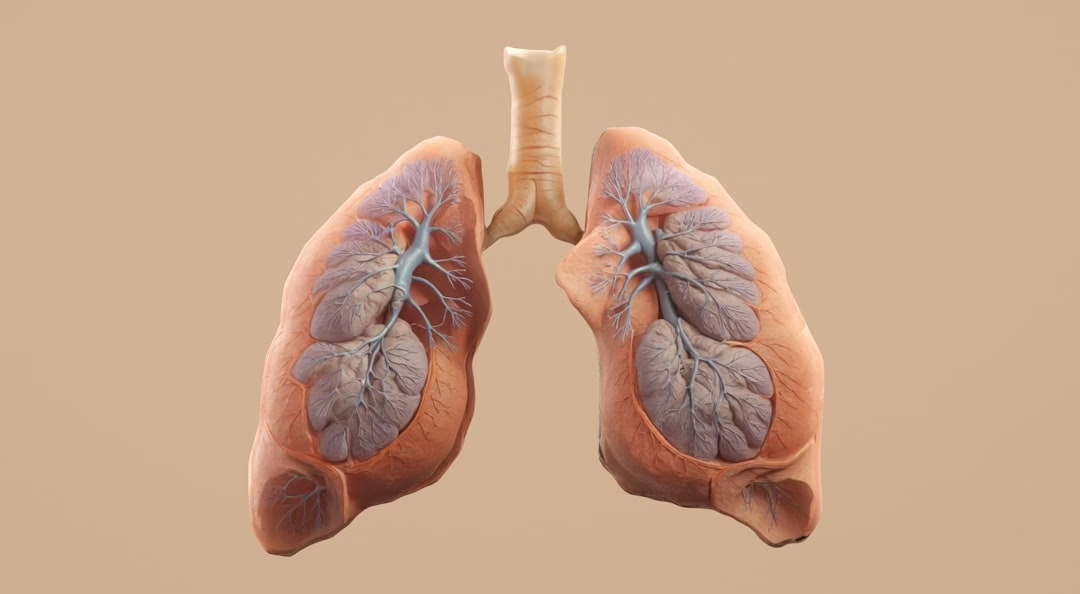
Following manufacturer guidelines and UAE government healthcare regulations ensures equipment safety. Regular professional checks identify potential issues before they affect therapy.
Parkinson’s Disease Respiratory Complications Advantages
Addressing Parkinson’s disease respiratory complications offers multiple advantages. Proper management significantly reduces aspiration pneumonia risk. Consequently, it decreases hospital admissions and associated complications.
Effective breathing support improves medication delivery and effectiveness. It also enhances sleep quality, which positively affects daytime functioning. These advantages contribute to better overall disease management.
Using appropriate interfaces like the ResMed AirFit F30i mask improves therapy compliance. Better compliance leads to more consistent symptom control.
Ultimately, comprehensive respiratory care extends functional independence. It also reduces caregiver stress and improves family dynamics.
Common Questions About Respiratory Management
Patients and caregivers often have questions about respiratory aspects of Parkinson’s. Understanding these concerns helps provide better support and education.
Many wonder about the relationship between medication timing and breathing difficulties. Others ask about warning signs for aspiration risk. Addressing these questions promptly reduces anxiety and improves self-management.
Common concerns include equipment usage, exercise tolerance, and emergency planning. Providing clear, evidence-based answers empowers patients and families.
Regular communication with healthcare providers ensures questions are addressed comprehensively. This approach fosters better understanding and cooperation in management.
Expert Recommendations for Comprehensive Care
Specialists recommend multidisciplinary approaches for respiratory complications. This includes involvement of neurologists, pulmonologists, and respiratory therapists. Coordinated care addresses all aspects of breathing difficulties.
Regular assessment of swallowing function is crucial for aspiration prevention. Pulmonary rehabilitation programs help maintain respiratory muscle strength. These recommendations align with international best practices.
Experts emphasize individualizing treatment based on disease stage and specific symptoms. They also stress the importance of caregiver education and support.
Implementing these recommendations requires access to appropriate resources and specialists. Therefore, contact our respiratory specialists for personalized guidance.
Frequently Asked Questions
What are the earliest signs of Parkinson’s disease respiratory complications? Early signs include reduced vocal volume, frequent throat clearing, and shortness of breath during conversation.
How does medication timing affect breathing in Parkinson’s? Breathing often worsens during “off” periods when medication effects wear off. Proper timing maintains more consistent respiratory function.
Can breathing exercises really help Parkinson’s patients? Yes, targeted exercises improve respiratory muscle strength and cough effectiveness. They also help maintain lung expansion.
What sleep disorders are common with Parkinson’s respiratory issues? Sleep apnea, hypoventilation, and REM sleep behavior disorder frequently occur. These require proper diagnosis and management.
How can we reduce aspiration pneumonia risks? Strategies include proper swallowing techniques, medication adjustments, and sometimes tube feeding. Regular speech therapy assessments are crucial.
What equipment helps manage Parkinson’s disease respiratory complications? CPAP machines, oxygen concentrators, and cough assist devices can all be beneficial. The respiratory equipment and products available through Oxydubai address various needs.
Conclusion
Managing Parkinson’s disease respiratory complications requires comprehensive understanding and proactive intervention. From aspiration pneumonia prevention to sleep disorder management, each aspect demands attention. Consequently, patients can achieve better quality of life and reduced complications.
Proper equipment selection, medication timing, and therapeutic exercises form the foundation of effective care. Additionally, regular monitoring and specialist input ensure evolving needs are met.
In the UAE context, having access to reliable respiratory support and expert guidance makes a significant difference. Therefore, addressing these complications systematically benefits both patients and caregivers.
Ultimately, recognizing and managing Parkinson’s disease respiratory complications represents a crucial component of holistic Parkinson’s care. With proper approach and resources, patients can maintain better respiratory function and overall well-being.