

Oxygen User Swimming Safety – Complete Guide
Managing respiratory conditions in UAE? For individuals on supplemental oxygen, the idea of swimming can seem daunting. However, with proper planning and safety considerations, aquatic activity can be both enjoyable and therapeutic. The buoyancy of water reduces stress on joints and muscles, potentially easing the work of breathing. In the UAE’s climate, accessing a cool pool is especially appealing. Consequently, understanding how to navigate this activity safely is paramount for health and confidence.
This guide outlines crucial safety measures for oxygen users considering pool time. It covers risk assessment, equipment considerations, and practical steps. Importantly, you must always consult your pulmonologist before any new activity. At Oxydubai, trusted by 10,000+ UAE patients, we provide premium respiratory equipment and products and expert guidance for an active lifestyle.
Need Respiratory Solutions?
Understanding Oxygen User Swimming Safety
Oxygen user swimming safety involves specific protocols for using supplemental oxygen near water. First, standard oxygen concentrators and cylinders pose severe electrical and combustion risks if they get wet. Therefore, special waterproof equipment or alternative oxygen delivery methods are often necessary. The primary goal is to ensure a continuous, safe oxygen supply while preventing equipment damage or personal injury.
Furthermore, swimming alters breathing patterns and increases physical demand. This change can affect your oxygen saturation levels. As a result, constant monitoring by a companion is non-negotiable. Adherence to Dubai Health Authority healthcare guidelines on medical device safety near water is also critical. Ultimately, a detailed safety plan created with your medical team forms the foundation of safe practice.
Benefits of Aquatic Therapy with Oxygen
Aquatic therapy offers unique advantages for respiratory patients. For instance, water pressure provides gentle resistance for strengthening respiratory muscles. Simultaneously, buoyancy reduces gravitational pull, making movement easier and less oxygen-intensive. This environment can improve circulation and potentially enhance lung capacity over time.
Moreover, the psychological benefits are significant. Engaging in pool activity can boost mood and reduce anxiety associated with chronic conditions. However, these benefits only materialize within a strict safety framework. Before starting, discuss these potential advantages with your doctor. They can advise if your condition is suitable for controlled aquatic exercise with your current Inogen One G5 portable oxygen concentrator setup on the pool deck.
Oxygen User Swimming Safety Features
Essential oxygen user swimming safety features focus on equipment and environment. Primarily, you need a secure oxygen source placed well away from the pool’s splash zone. Often, a long, high-flow oxygen tubing is used, securely anchored to prevent tripping. Alternatively, some may use a portable concentrator in a protective, ventilated enclosure on dry land.
Additionally, the user should wear a clearly identifiable flotation device. A companion trained in CPR and familiar with your equipment must be present at all times. The pool area should also have non-slip surfaces and easy exit points. Finally, a waterproof pulse oximeter for real-time oxygen saturation monitoring is a crucial feature. Compliance with UAE Ministry of Health medical standards for patient safety in recreational settings is imperative.
Safety Protocol Specifications
Detailed specifications for safe practice are non-negotiable. Initially, your oxygen flow rate may need adjustment for the activity level; your doctor will specify this. The oxygen tubing must be long enough to allow free movement but managed to avoid entanglement. Typically, a 50-foot cannula is used, with excess coiled safely on a dry chair or table.
Furthermore, the pool water temperature should be warm (around 30-33°C) to prevent bronchospasm. Sessions must be short, often starting with just 5-10 minutes. Importantly, a “dry run” on land, simulating movements with the oxygen setup, is highly recommended. For equipment used near medical settings, referencing World Health Organization respiratory health guidelines provides an added layer of safety assurance.
Expert Medical Advice?
Setup & Maintenance for Poolside Use
Proper setup begins with positioning. Place your oxygen concentrator or cylinder on a stable, dry surface at least 10 feet from the pool edge. Use a cover or umbrella for shade, but ensure ample ventilation to prevent overheating. Next, connect your long tubing and test the flow before entering the water. Secure the connection points with waterproof tape if recommended by your provider.
After the session, meticulous maintenance is key. Wipe down the exterior of any equipment with a dry cloth. Inspect the tubing for water ingress or damage; replace it immediately if compromised. Ensure all components are completely dry before storing or reusing. For devices like the ResMed Astral 150 ventilator, which is not for poolside use, strict adherence to manufacturer dry-environment guidelines is critical.
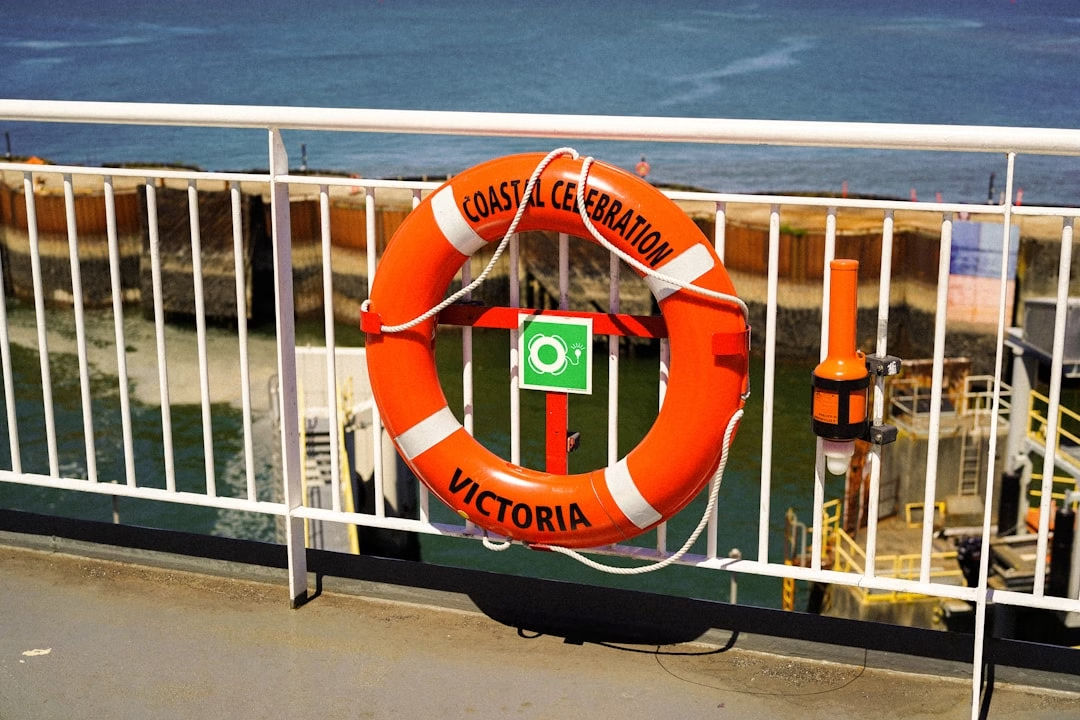
Oxygen User Swimming Safety Advantages
Implementing robust oxygen user swimming safety protocols provides clear advantages. Most importantly, it drastically reduces the risk of hypoxia, drowning, or equipment failure. A structured approach empowers users, reducing fear and promoting independence. This confidence can lead to improved physical fitness and better overall management of respiratory conditions.
Additionally, these safety practices ensure compliance with local regulations, giving peace of mind. They also educate caregivers and family members, creating a safer home environment overall. By investing in proper gear like secure masks and tubing, you protect your valuable equipment, such as your ResMed AirSense 11 CPAP machine, from humidity and water damage unrelated to the pool activity.
Common Questions on Oxygen and Water
Many patients ask if they can use their regular nasal cannula in the pool. The answer is generally no, as it’s not designed for immersion. Specialized waterproof nasal clips or systems may be an option, but only under direct medical supervision. Another frequent question concerns portable concentrators. While devices like the ResMed AirMini compact CPAP are travel-friendly, they are electronic and must never get wet.
People also wonder about showering with oxygen. The same principles apply: keep the oxygen source outside the wet area and use long tubing. Always consult your equipment manual and Health Authority Abu Dhabi regulations for specific safety directives. Ultimately, when in doubt, keep oxygen equipment dry and seek professional advice.
Expert Recommendations for UAE Residents
For UAE residents, experts emphasize climate-specific advice. The intense heat means equipment left poolside must be protected from direct sun to prevent overheating. Schedule sessions during cooler parts of the day. Furthermore, ensure your oxygen supplier understands your activity goals. They can advise on appropriate tubing lengths and flow settings for your environment.
It is also advisable to choose a private pool or a controlled rehabilitation pool where the environment can be managed. Public pools often have too much splash and unpredictable conditions. Finally, establish a clear emergency plan. This plan should include contact numbers for your doctor and how to quickly disconnect from oxygen if absolutely necessary. For personalized setup advice, you can always contact our respiratory specialists.
FAQ: Oxygen User Swimming Safety
Q: Can I swim while using my portable oxygen concentrator (POC)?
A: No. You must never submerge a POC or bring it into the water. It can be used on dry land to supply oxygen via long tubing while you are in the pool, but it must be protected from all moisture and splashes.
Q: What is the single most important safety rule?
A: Never be alone. A competent, alert companion who knows your equipment and can call for help is mandatory.
Q: Are there waterproof oxygen delivery systems?
A: Specialized, limited-water-exposure systems exist for therapeutic pools under strict clinical supervision. They are not typical home-use products and require extensive training.
Q: How does oxygen user swimming safety differ from general water safety?
A: It adds layers of equipment safety (preventing electrical hazards, securing tubing), respiratory monitoring (watching for hypoxia), and ensuring an uninterrupted oxygen supply.
Q: Can I use a CPAP mask like the ResMed AirFit F30i mask in the pool?
A: Absolutely not. CPAP masks are for sleep therapy with pressurized air. They are not designed for use with oxygen in water and pose a severe drowning risk.
Q: Do I need a doctor’s note to use a pool with oxygen?
A: For private pools, it’s a medical necessity for your own safety plan. For public or rehab facilities, a doctor’s clearance and a facility waiver are almost always required per UAE government healthcare regulations.
Conclusion
In summary, swimming while using supplemental oxygen is a complex activity that demands rigorous preparation. The core principle of oxygen user swimming safety is to never compromise the dry, electrical integrity of your oxygen source while ensuring your personal respiratory needs are met continuously. By collaborating closely with your healthcare team, using appropriate equipment, and implementing unwavering safety protocols, the therapeutic benefits of water can be accessed cautiously.
Remember, your safety depends on planning, vigilance, and professional guidance. At Oxydubai, we are committed to supporting the respiratory community in the UAE with reliable equipment and expert knowledge. Explore our range of respiratory equipment and products and consult with our team to make informed decisions about your active health journey.