

Oxygen User Photography Guide – Medical Equipment
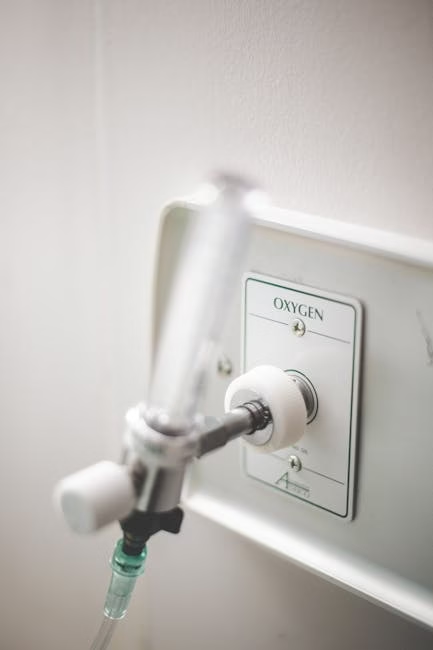
Searching for oxygen therapy equipment? Understanding your device through clear imagery is crucial. Oxygen user photography provides vital visual documentation for patients and caregivers. Consequently, it enhances understanding, promotes proper usage, and supports care coordination. In the UAE’s advanced healthcare landscape, visual guides empower users of essential respiratory equipment and products. This visual approach demystifies technology and fosters confidence. Therefore, patients can manage conditions like COPD or sleep apnea more effectively. At Oxydubai, trusted by 10,000+ UAE patients, we provide premium solutions alongside educational support. This guide explores how photography improves the medical equipment experience.
Need Respiratory Solutions?
Understanding Oxygen User Photography
Oxygen user photography involves capturing images of medical equipment in use. Primarily, it serves as a powerful educational and communication tool. For instance, photos can show correct mask placement on a ResMed AirFit F30i mask. This visual reference helps new users immensely. Additionally, caregivers use photos to document setup for home care. According to World Health Organization respiratory health guidelines, patient education improves adherence. Clear imagery reduces anxiety around complex devices like ventilators. In Dubai, with diverse expatriate communities, visuals transcend language barriers. Ultimately, this practice supports the Dubai Health Authority healthcare guidelines for patient empowerment. Proper photography turns intimidating equipment into manageable tools.
Benefits of Visual Medical Documentation
Visual documentation offers significant advantages for respiratory care. First, it enhances patient training and recall. A picture of your Inogen One G5 portable oxygen concentrator setup is a quick reference. Subsequently, this minimizes usage errors. Moreover, photos facilitate remote consultations with specialists. You can share images for troubleshooting without a clinic visit. This aligns with UAE Ministry of Health medical standards for telehealth. Furthermore, visual records assist insurance claims and warranty services. They provide proof of proper maintenance. For travelers, photos help navigate security checks with medical devices. Therefore, this simple practice builds independence and safety. It transforms passive patients into active, informed participants in their health journey.
Oxygen User Photography Features
Effective oxygen user photography focuses on specific features. Key elements include device settings, tubing connections, and user interface displays. For example, a clear shot of the pressure reading on a ResMed AirSense 11 CPAP machine is invaluable. Additionally, capture the entire setup context, including power sources and humidifier attachments. Importantly, photograph safety labels and error messages if they appear. This visual log aids technical support. Furthermore, include images of wearable components for fit assessment. The UAE government healthcare regulations emphasize device traceability. Consequently, serial numbers and model tags should be photographed. Good lighting and sharp focus are non-negotiable for detail. This approach ensures your photo library is a functional resource, not just snapshots.
Medical Equipment Specifications
Understanding specifications is vital for effective photography. Key specs include flow rate, oxygen concentration, and battery life. For instance, knowing your device’s specs helps you photograph the correct settings. The ResMed Astral 150 ventilator has specific modes that should be documented. Similarly, noise levels and weight are crucial for portable units. Compliance with Health Authority Abu Dhabi regulations requires certain device standards. Therefore, photographing compliance certificates is wise. Moreover, filter types and replacement schedules are visually documented for maintenance. This detailed visual record ensures you and your clinician are aligned. It also simplifies reordering consumables and accessories accurately.
Expert Medical Advice?
Setup & Maintenance Documentation
Photographing setup and maintenance creates a personal manual. Begin with unboxing to document all included parts. Next, chronicle each assembly step for complex devices. For example, setting up a ResMed AirMini compact CPAP is easier with visual steps. Additionally, regular maintenance tasks like filter cleaning should be photographed. This ensures consistency and thoroughness. Furthermore, capture the storage environment to ensure proper ventilation. These images can prevent malfunctions. Also, photograph cleaning solutions used, ensuring they are manufacturer-approved. This visual diary is especially helpful for family members assisting with care. Ultimately, it extends equipment lifespan and ensures optimal performance. A well-documented routine brings peace of mind and clinical efficacy.
Oxygen User Photography Advantages
The advantages of oxygen user photography are comprehensive. Foremost, it improves treatment adherence and outcomes. Visual confidence reduces device abandonment. Additionally, it streamlines communication with healthcare providers across the UAE. You can email photos before an appointment, making consultations more efficient. This supports continuity of care, a priority in UAE health policy. Moreover, photography aids in emergency situations. Paramedics can quickly understand your home setup from photos. Furthermore, it assists in training new caregivers seamlessly. Traveling with equipment becomes less stressful with visual guides for airlines. Finally, it creates a historical record of your therapy journey. This can be valuable for long-term disease management planning. Therefore, this practice is a small habit with profound benefits for quality of life.
Common Questions Answered
Patients often have questions about photographing their equipment. Is it safe to photograph medical devices? Absolutely, just avoid flash directly into sensors. How often should I update photos? Update them with any setup change or new component. Can photos replace the user manual? No, they should complement the official manual. What’s the best angle? Shoot from multiple angles: front, side, and close-up on settings. Should I include people in photos? Only with consent, focusing on equipment interaction, not identity. Are smartphone cameras sufficient? Yes, modern smartphone cameras are excellent for this purpose. Where should I store the photos? Use a secure, private album on your phone or cloud. Answering these questions empowers users to start their visual documentation confidently.
Expert Recommendations for UAE Users
Experts recommend specific practices for UAE-based patients. First, ensure your photography respects local privacy norms and regulations. Second, document device approvals from UAE health authorities. Third, consider the climate; photograph how you manage humidity for devices. The UAE’s dry air can affect certain equipment. Fourth, create a travel log with photos of your portable concentrator in different settings. For instance, using the Inogen One G5 in a car. Fifth, establish a shared album with your clinic for collaborative care. Finally, schedule quarterly photo reviews to update your visual records. Following these tailored recommendations maximizes the utility of your photography. It integrates this tool seamlessly into your regional healthcare management plan.
Frequently Asked Questions
Q1: What is the primary purpose of oxygen user photography?
A: Its main purpose is educational. It helps users and caregivers understand, set up, and maintain complex respiratory equipment correctly.
Q2: How can photography help with equipment maintenance?
A: Photos of filter locations, serial numbers, and connections serve as a visual checklist. This ensures maintenance is done thoroughly and correctly every time.
Q3: Is oxygen user photography useful for CPAP therapy?
A: Extremely useful. It can document mask fit, hose routing, and device settings. This is crucial for troubleshooting issues like air leaks or discomfort.
Q4: Can I share these photos with my doctor online?
A: Yes, sharing photos during telehealth consultations is highly effective. It gives your doctor clear insight into your home setup without an in-person visit.
Q5: What are the key elements to capture in oxygen user photography?
A: Focus on the full setup, control panel settings, serial number, mask fit on the face, and tubing connections. Good lighting is essential.
Q6: Where can I find reliable oxygen therapy equipment in Dubai?
A: For trusted devices and expert advice, explore the range at Oxydubai. You can contact our respiratory specialists for personalized guidance on photography and product use.
Conclusion
In summary, oxygen user photography is a simple yet transformative practice. It bridges the gap between clinical prescription and daily home use. By creating a visual dialogue with your equipment, you gain control and confidence. This is particularly valuable in a dynamic healthcare environment like the UAE. Whether managing sleep apnea with a CPAP or requiring portable oxygen, clear images enhance safety and adherence. They support compliance with local health guidelines and improve communication with professionals. Therefore, we encourage all users of respiratory devices to adopt this visual documentation habit. Start by photographing your current setup today. For further assistance in selecting the right equipment to photograph and use, our team is ready to help. Embrace this tool to visualize your path to better respiratory health.