Oxygen User Medication Interactions – Complete Guide
Managing respiratory conditions in UAE? Understanding oxygen user medication interactions is crucial for your safety. Consequently, many patients on supplemental oxygen also take various medications. These combinations can sometimes lead to unexpected side effects or reduced efficacy. Therefore, awareness and proper management are non-negotiable for optimal health outcomes. The UAE’s advanced healthcare system emphasizes patient education on such critical topics. For instance, always consult with a specialist before starting any new treatment.
Medical oxygen is a powerful therapy. However, it can interact with certain drugs, affecting how your body responds. This guide explores these interactions in detail. Moreover, we provide practical advice for patients and caregivers. Ultimately, our goal is to ensure your respiratory therapy is both effective and safe. At Oxydubai, trusted by 10,000+ UAE patients, we provide premium respiratory equipment and products alongside expert guidance on their safe use with medications.
Need Respiratory Solutions?
Understanding Oxygen User Medication Interactions
Oxygen user medication interactions refer to how supplemental oxygen can alter a drug’s effects. Conversely, some medications can change how your body utilizes oxygen. For example, strong pain relievers like opioids can depress breathing. This is particularly risky for COPD patients. Furthermore, certain heart medications may behave differently under high oxygen concentrations.
It’s vital to maintain an open dialogue with your doctor. Always disclose all medications, including over-the-counter supplements. Additionally, using reliable equipment is key. For instance, a precise device like the ResMed AirSense 11 CPAP machine ensures accurate oxygen delivery. This helps minimize interaction risks. The World Health Organization respiratory health guidelines also stress the importance of integrated care management.
Benefits of Safe Medication Management
Proactively managing your medications offers immense benefits. Firstly, it significantly reduces hospitalization risks. Secondly, it improves overall treatment efficacy for your respiratory condition. Thirdly, it enhances your quality of life and daily energy levels. Therefore, a systematic approach is highly recommended.
Proper management also prevents dangerous side effects. For example, it avoids oxygen toxicity from certain drug combinations. Moreover, it ensures other treatments for co-existing conditions work as intended. Using a portable device like the Inogen One G5 portable oxygen concentrator allows for consistent therapy on the go. This consistency is a cornerstone of safe medication interaction management.
Oxygen User Medication Interactions Features
Key features of oxygen user medication interactions include their unpredictability. They often depend on individual patient factors like age and kidney function. Another feature is the potential for additive sedative effects. Specifically, combining oxygen with sedatives can dangerously slow respiration.
Some interactions may reduce the effectiveness of bronchodilators. This is a critical consideration for asthma patients. Additionally, high-flow oxygen can affect pulmonary artery pressure, interacting with specific heart drugs. Understanding these features helps in creating a safe care plan. The UAE Ministry of Health medical standards provide frameworks for healthcare providers to assess these risks.
Drug Safety Protocol Specifications
Implementing strict safety protocols is essential. Specifications include maintaining an updated medication list. This list should be reviewed at every medical appointment. Another specification is regular monitoring of blood oxygen saturation. Devices should be checked for calibration to ensure readings are accurate.
Dosage timing relative to oxygen therapy is another key specification. For instance, some drugs are best taken at specific intervals before or after therapy. Furthermore, patients should be educated on recognizing warning signs. Symptoms like increased drowsiness or shortness of breath warrant immediate medical attention. Adherence to Dubai Health Authority healthcare guidelines ensures these protocols meet local standards.
Expert Medical Advice?
Setup and Maintenance for Safety
Correct equipment setup is your first defense. Always follow the manufacturer’s instructions precisely. For example, ensure your oxygen concentrator or CPAP machine is on a stable, flat surface. Good ventilation is also crucial to prevent device overheating. Regular maintenance, like filter changes, is non-negotiable for performance.
Proper maintenance ensures your device delivers the prescribed oxygen concentration. An inconsistent flow can unknowingly alter medication interactions. Schedule professional servicing as recommended. Using well-designed masks like the ResMed AirFit F30i mask also promotes effective therapy. Consequently, this supports stable medication levels in your body.
Oxygen User Medication Interactions Advantages
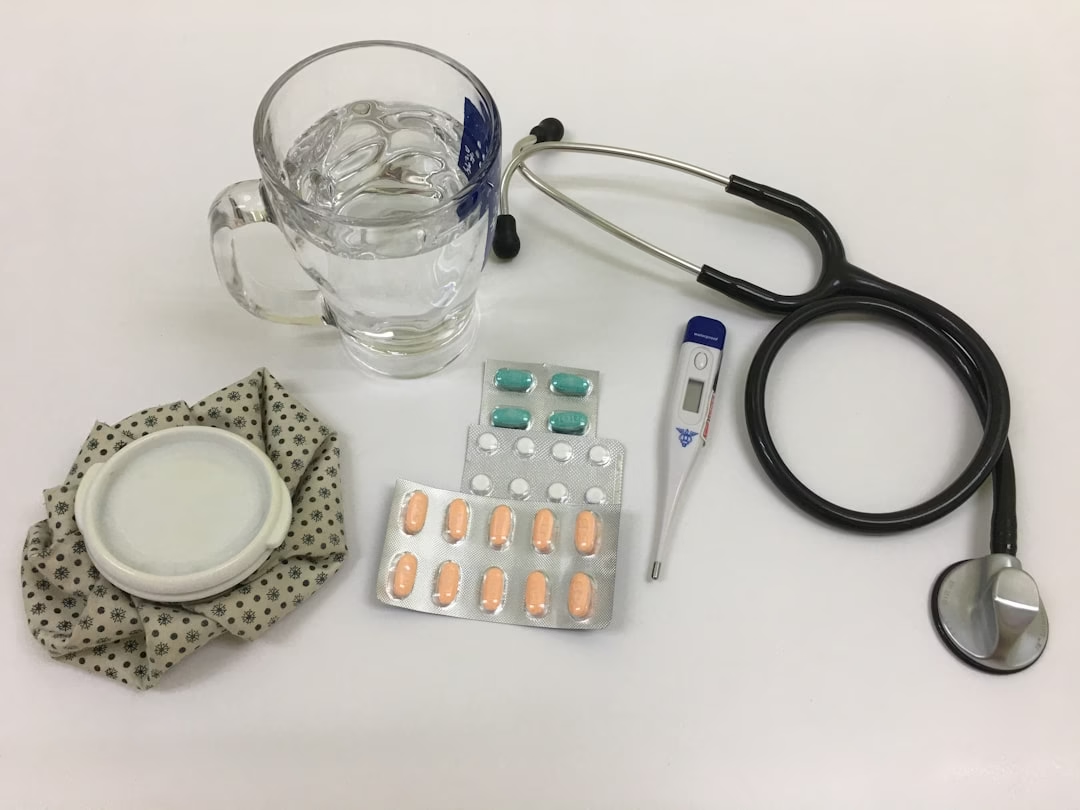
Understanding oxygen user medication interactions provides major advantages. The primary advantage is empowered patient safety. You become an active participant in your care. Another advantage is the prevention of adverse drug reactions. This leads to fewer emergency room visits and better health stability.
Furthermore, this knowledge allows for more personalized treatment plans. Doctors can tailor prescriptions with greater confidence. It also promotes better communication between different specialists managing your health. For patients on advanced therapy, using a reliable ResMed Astral 150 ventilator with known performance metrics adds another layer of safety. Compliance with Health Authority Abu Dhabi regulations ensures these advantages are standardized across care.
Common Questions on Drug Safety
Patients often have important questions. A frequent one is, “Can I adjust my oxygen flow if I feel different after medication?” The answer is always no. You must consult your doctor first. Another common question involves over-the-counter cold medicines. Many contain ingredients that can interact, so professional advice is essential.
People also ask about travel. How should they manage medications and oxygen while flying? Planning ahead with your provider and airline is critical. For travel, a compact device like the ResMed AirMini compact CPAP can be a practical solution. Always refer to the UAE government healthcare regulations for travel-related medical guidelines.
Expert Recommendations for Patients
Experts unanimously recommend a holistic approach. First, never conceal any supplement or herbal remedy from your doctor. These can have potent interactions. Second, use a single pharmacy for all prescriptions. This allows the pharmacist to screen for potential interactions comprehensively.
Third, consider using a medication management app or pill organizer. This reduces the chance of missing a dose or taking an extra one. Finally, ensure your respiratory equipment is from a reputable supplier. Regular check-ins with your specialist are crucial. For personalized advice, don’t hesitate to contact our respiratory specialists.
Frequently Asked Questions
Q1: What is the most dangerous type of oxygen user medication interaction?
A: Interactions that suppress the drive to breathe, often involving opioids or strong sedatives, are among the most critical.
Q2: Should I inform my dentist about my oxygen therapy before a procedure?
A: Absolutely. Certain local anesthetics and procedures may require adjusted oxygen flow or different medication choices.
Q3: Can herbal teas interact with my oxygen therapy?
A: Yes, some herbs have sedative or stimulant properties. Always discuss any herbal product with your doctor.
Q4: How does oxygen user medication interactions affect blood pressure drugs?
A: In some cases, high oxygen levels can cause blood vessels to constrict, potentially affecting blood pressure medication needs.
Q5: Is it safe to use sleep aids if I use oxygen at night?
A: Only under strict medical supervision. Many sleep aids depress the central nervous system, posing a risk when combined with oxygen therapy.
Q6: Where can I get my oxygen equipment checked for safety in the UAE?
A: Reputable providers like Oxydubai offer servicing. You can contact our respiratory specialists for maintenance services.
Conclusion
Navigating oxygen user medication interactions is a vital component of respiratory care. By understanding the risks and following expert protocols, you can safely manage your health. Always prioritize open communication with your healthcare team. Furthermore, invest in high-quality, reliable equipment from trusted suppliers.
In the UAE, you have access to world-class medical guidance and advanced technology. Leverage these resources to live a fuller, healthier life. Remember, knowledge and vigilance are your best tools for ensuring drug safety while on oxygen therapy. Therefore, take a proactive stance in your treatment journey today.