

Oxygen Therapy Stop Guide – Complete Guide
Managing respiratory conditions in UAE? Understanding when to safely discontinue supplemental oxygen is a critical question for many patients and caregivers. The decision hinges on achieving and maintaining normal oxygen levels, a process that requires careful medical supervision. Consequently, stopping therapy prematurely can be dangerous, while unnecessary prolonged use can impact quality of life. In the UAE’s diverse climate, from humid coasts to dry interiors, managing respiratory health demands reliable equipment and expert guidance.
Medical professionals use specific criteria, including pulse oximetry and arterial blood gas tests, to determine if a patient’s oxygenation has sufficiently improved. Therefore, a structured “weaning” protocol is often followed to ensure stability. At Oxydubai, trusted by 10,000+ UAE patients, we provide not only premium respiratory equipment and products but also the educational support for your journey back to independent breathing.
Need Respiratory Solutions?
Understanding Oxygen Therapy Stop Guide
An Oxygen Therapy Stop Guide refers to the clinical framework used to safely discontinue supplemental oxygen. Primarily, the core indicator is sustained normal blood oxygen saturation (SpO2). Typically, a SpO2 of 95% or higher at rest is considered normal for most individuals. However, target levels can vary based on specific conditions like COPD. Doctors assess stability during various activities, such as walking or sleeping, before recommending cessation.
Furthermore, the process is rarely abrupt. Instead, it involves a gradual reduction in oxygen flow rates or periods of time without oxygen while monitoring saturation. This weaning process ensures the body can maintain adequate oxygenation independently. For instance, a patient might start by removing the cannula for short intervals under supervision. Reliable devices, like the Inogen One G5 portable oxygen concentrator, offer precise flow settings essential for this phase. Adherence to World Health Organization respiratory health guidelines ensures best practices are followed.
Benefits of Discontinuing Supplemental Oxygen
Successfully stopping oxygen therapy offers significant lifestyle and health advantages. Firstly, it greatly enhances mobility and freedom, removing dependence on equipment. Patients often experience improved sleep quality without the noise and tubing of a concentrator. Moreover, it can provide a substantial psychological boost, symbolizing recovery and restored health.
From a practical standpoint, it eliminates logistical challenges like equipment maintenance and power supply concerns. Financially, it reduces ongoing costs for supplies and electricity. However, these benefits must always be balanced against medical necessity. Regular monitoring with a trusted device, such as a ResMed AirSense 11 CPAP machine for underlying sleep apnea, may still be required. Compliance with UAE Ministry of Health medical standards guarantees safety remains the top priority throughout the transition.
Oxygen Therapy Stop Guide Features
A robust Oxygen Therapy Stop Guide incorporates several key features for patient safety. Crucially, it includes clear, measurable criteria for cessation, like specific SpO2 thresholds during activity and rest. Additionally, it features a structured weaning schedule with defined steps for reducing flow or usage time. This structured approach minimizes risks and provides clear expectations for the patient.
Another essential feature is contingency planning, outlining signs that indicate therapy should be resumed. For example, a drop in SpO2 below 88% during a walking test would be a clear signal. The guide also emphasizes the role of proper equipment. Using a precise ResMed Astral 150 ventilator for complex cases allows for nuanced adjustments during weaning. Finally, it aligns with broader Dubai Health Authority healthcare guidelines to ensure standardized, high-quality care.
Discontinuation Protocol Specifications
Medical specifications for stopping oxygen are precise and patient-specific. Generally, a patient must maintain SpO2 above 92% at rest and during sleep, and above 88% during ambulation, for a prescribed period. Often, this monitoring period lasts several days to weeks. Arterial Blood Gas (ABG) results showing a PaO2 > 60 mmHg on room air provide a more definitive laboratory confirmation.
The weaning protocol itself is a specification. It may start with discontinuing oxygen only during rest, then progressing to include activity. Regular follow-up assessments are mandatory, typically scheduled at 1, 3, and 6 months after stopping. For patients using combined therapies, specifications for other devices, like the ResMed AirFit F30i mask, must also be reviewed. These protocols are designed to meet Health Authority Abu Dhabi regulations for chronic disease management.
Expert Medical Advice?
Setup and Maintenance for Safe Weaning
Proper setup of your monitoring environment is vital for a safe weaning process. Initially, ensure you have a validated, medical-grade pulse oximeter. Create a log to record SpO2 and heart rate readings at specified times: at rest, after walking, and if you wake at night. Consequently, this data provides your doctor with objective evidence of your stability.
Maintenance of your oxygen equipment remains important even during weaning. Keep your concentrator or ventilator clean and serviced, as you may need to resume use temporarily. For travel during this phase, a compact device like the ResMed AirMini compact CPAP can be invaluable. Always have backup power solutions, especially in remote UAE areas. Following UAE government healthcare regulations for medical device use ensures your safety at home.
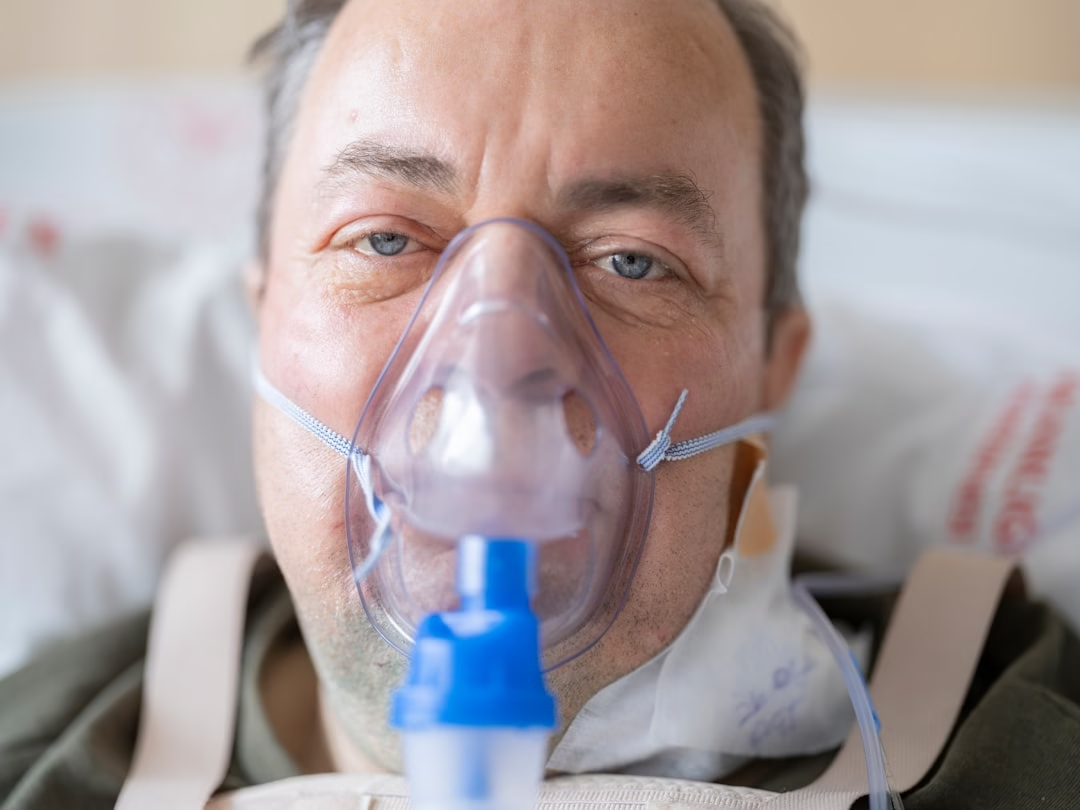
Oxygen Therapy Stop Guide Advantages
Following a formal Oxygen Therapy Stop Guide provides unparalleled advantages. Primarily, it maximizes patient safety by preventing hypoxia from early discontinuation. Simultaneously, it offers a clear, stress-reducing roadmap for the patient, replacing uncertainty with defined milestones. This structured approach also optimizes healthcare resource utilization by avoiding unnecessary prolonged therapy.
Another advantage is the empowerment of the patient through education and active participation in their care. Furthermore, a successful stop guide improves long-term clinical outcomes by ensuring underlying conditions are truly resolved or well-managed. Access to high-quality respiratory equipment and products supports every step. Ultimately, it fosters confidence in both the patient and the prescribing physician, ensuring decisions are data-driven and compliant with established medical standards.
Common Questions on Stopping Therapy
Patients frequently ask if they can stop oxygen when they “feel better.” However, feeling better does not always mean oxygenation is adequate; objective testing is essential. Another common question concerns nighttime use: “Can I stop oxygen at night first?” Often, weaning starts during daytime rest because respiratory drive can decrease during sleep, making nighttime the last phase.
Many wonder about the signs that they need to restart oxygen. Key warning signs include increased shortness of breath, swelling in the ankles, morning headaches, or increased fatigue. People also ask about the role of diet and exercise. Certainly, pulmonary rehabilitation and good nutrition support lung health but do not replace the need for measured weaning. For any technical concerns with equipment during this phase, you can always contact our respiratory specialists for support.
Expert Recommendations for Cessation
Medical experts unanimously recommend never stopping oxygen therapy without direct consultation with your pulmonologist or respiratory therapist. They stress the importance of a comprehensive assessment, often including a 6-minute walk test while monitoring oxygen levels. Moreover, experts recommend continuing other prescribed respiratory treatments, like inhalers or CPAP, unless advised otherwise.
Furthermore, they advise maintaining a healthy lifestyle to support lung function. This includes smoking cessation, staying hydrated in the UAE heat, and avoiding respiratory irritants. Experts also recommend keeping your equipment for a trial period after stopping, in case of regression. Finally, establishing a regular follow-up schedule is paramount. This proactive approach, supported by reliable technology and professional guidance, offers the safest path to regaining independence from supplemental oxygen.
Frequently Asked Questions (FAQ)
Q: What is the most important indicator for stopping oxygen?
A: Sustained normal oxygen saturation (SpO2) at rest, during activity, and often during sleep is the primary indicator.
Q: Can I stop oxygen therapy if my levels are normal for one day?
A: No. Stability must be demonstrated over a longer period, typically several days to weeks, as determined by your doctor.
Q: Does using an Oxygen Therapy Stop Guide apply to all conditions?
A: While the principles are similar, guides are tailored for specific conditions like COPD, pulmonary fibrosis, or post-hospital recovery.
Q: Will I need to check my oxygen levels after stopping?
A: Yes, periodic monitoring during follow-up visits and sometimes at home is standard practice to ensure levels remain stable.
Q: Is it safe to travel after stopping oxygen therapy?
A> After confirmation of stability, travel is usually safe. However, discuss travel plans with your doctor, especially for air travel or high-altitude destinations.
Q: Where can I get reliable equipment for monitoring during weaning?
A> Trusted suppliers like Oxydubai offer medical-grade oximeters and respiratory equipment and products for accurate home monitoring.
Conclusion
Determining when to stop oxygen therapy is a significant milestone that must be approached with caution and professional oversight. Ultimately, the decision is based on achieving consistently normal oxygen levels across various states of activity and rest. By following a structured Oxygen Therapy Stop Guide, patients can navigate this transition safely and confidently. This process underscores the importance of partnership between patient, clinician, and a reliable equipment provider.
In the UAE, having access to expert advice and high-quality medical technology is key to successful respiratory management. Whether you are weaning from oxygen or managing another condition, Oxydubai is committed to supporting your health journey with premium products and expertise. Remember, the goal is always long-term wellness and improved quality of life, achieved through careful, evidence-based steps.

