

Oxygen Therapy Respiratory Infections – Complete Guide
Searching for oxygen therapy equipment? Respiratory infections, from severe influenza to pneumonia, can significantly impair lung function. Consequently, supplemental oxygen becomes a critical medical intervention. This therapy ensures vital organs receive adequate oxygen when the lungs are compromised. In the UAE’s diverse climate, managing such conditions requires reliable, high-quality support.
Oxygen therapy during respiratory infections helps stabilize blood oxygen levels. Therefore, it reduces the workload on the heart and lungs. This support is crucial for recovery and preventing complications. At Oxydubai, trusted by 10,000+ UAE patients, we provide premium respiratory equipment and products. Our solutions are tailored for effective home-based care.
Understanding when and how to use oxygen is vital. Always follow guidelines from the World Health Organization respiratory health guidelines. Moreover, consulting a healthcare professional is essential for safe treatment. Proper use can accelerate recovery and improve overall outcomes during infection.
Need Respiratory Solutions?
Understanding Oxygen Therapy Respiratory Infections
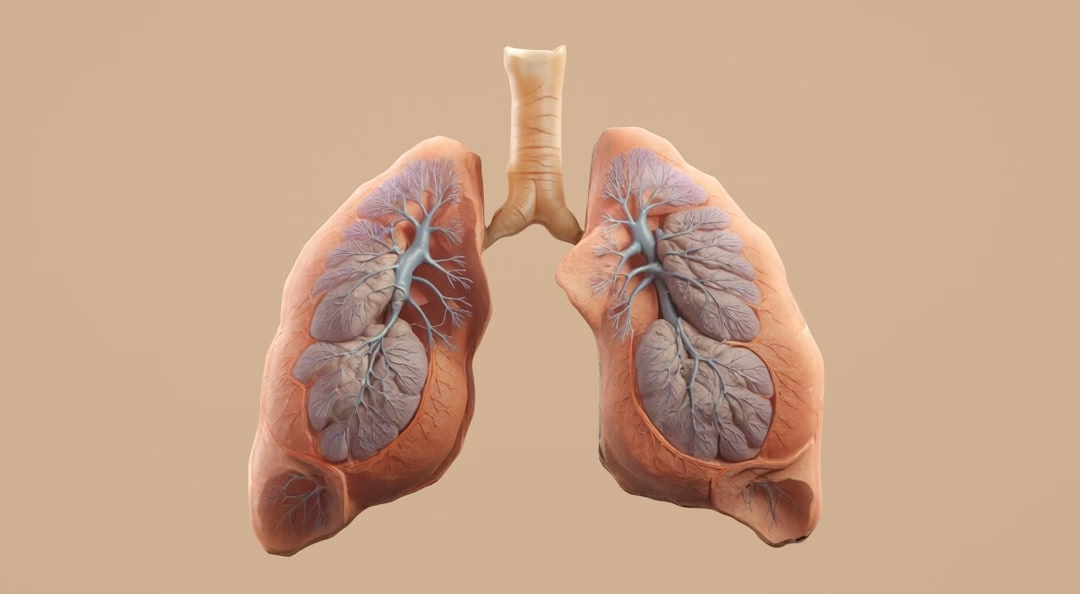
Oxygen therapy for respiratory infections delivers supplemental oxygen. It addresses hypoxemia, a low blood oxygen level common during illness. Infections cause inflammation and fluid in the lungs. This impairs efficient gas exchange. Supplemental oxygen bridges this deficit effectively.
Various devices administer this therapy. Stationary concentrators are ideal for home use. Portable units like the Inogen One G5 portable oxygen concentrator offer mobility. The goal is to maintain oxygen saturation above 92-95%. Monitoring with a pulse oximeter is standard practice.
Treatment must align with UAE Ministry of Health medical standards. Incorrect flow rates can be harmful. Thus, professional assessment is non-negotiable. Properly administered, this therapy is a cornerstone of supportive respiratory care.
Benefits of Supplemental Oxygen Treatment
Supplemental oxygen offers immediate physiological benefits. Firstly, it alleviates shortness of breath and dyspnea. This reduces the immense energy cost of labored breathing. Patients often experience rapid relief and comfort.
Secondly, it prevents organ damage. Vital organs like the heart and brain need constant oxygen. During infection, oxygen support safeguards these systems. Furthermore, it can improve sleep quality and reduce fatigue.
Using devices like the Philips Respironics DreamStation Auto CPAP can aid in complex cases. Ultimately, the main benefit is supporting the body’s healing process. It allows patients to recover more efficiently and safely at home.
Oxygen Therapy Respiratory Infections Features
Modern oxygen therapy systems have essential features. Key among them is adjustable flow rate. This allows precise delivery from 1 to 10+ liters per minute. Additionally, oxygen concentration output remains consistent, typically at 90-95% purity.
Portability is a crucial feature for active patients. Lightweight concentrators with battery options provide freedom. Moreover, devices feature intuitive controls and alarms for low oxygen or power failure. These safety alerts are vital for secure home use.
For patients requiring bi-level support, a Philips DreamStation Auto BiPAP machine may be recommended. Compatibility with various delivery interfaces, like nasal cannulas or masks, is also important. These features ensure therapy is both effective and user-friendly.
Medical Oxygen Specifications
Medical oxygen equipment must meet strict specifications. Flow accuracy is paramount for patient safety. Devices should comply with regional regulations like those from the Dubai Health Authority healthcare guidelines. Noise level is another key specification, especially for bedroom use.
Power requirements and backup options are critical in the UAE. Furthermore, device durability and service life are important considerations. For instance, the Philips DreamStation BiPAP ST machine offers robust therapy modes. These specifications ensure reliable performance during extended treatment periods.
Always verify equipment certifications. This guarantees it meets international medical device standards. Proper specifications ensure the therapy is delivered safely and as prescribed by your doctor.
Expert Medical Advice?
Setup and Maintenance Guide
Correct setup ensures effective oxygen therapy. First, place the concentrator in a well-ventilated area. Keep it away from walls and heat sources. Then, connect the oxygen tubing and a clean cannula or ResMed AirFit F30i full face mask.
Plug the device into a grounded outlet. Preferably, use a backup power source. Next, set the flow rate as prescribed. Finally, turn on the machine and verify oxygen flow. Regular maintenance is equally important. Clean or replace filters weekly.
Disinfect tubing and interfaces as per manufacturer guidelines. Schedule professional servicing annually. Adherence to Health Authority Abu Dhabi regulations for medical device upkeep is recommended. Proper maintenance guarantees performance and longevity.
Oxygen Therapy Respiratory Infections Advantages
The advantages of oxygen therapy during infection are significant. Primarily, it supports faster clinical recovery. By ensuring oxygen saturation, it helps fight infection more effectively. Additionally, it can prevent hospital admission in manageable cases.
Another advantage is improved patient comfort and reduced anxiety. Easier breathing promotes rest, which is crucial for healing. For patients with complex needs, a BMC BPAP G2S B25VT/B30VT ventilator offers advanced support. This therapy is a key tool in outpatient management.
It empowers patients to manage their condition at home safely. However, it must be part of a comprehensive treatment plan. Always combine it with prescribed medications and follow-ups. The overall advantage is a safer, more comfortable recovery pathway.
Common Questions Answered
Many patients have questions about oxygen therapy. Is it safe to use at home? Yes, with proper training and prescribed settings. Can I use it while sleeping? Absolutely, and it often improves sleep quality during infection.
How long do I need therapy? Typically, duration matches the acute infection phase. Your doctor will advise based on oxygen saturation levels. What about side effects? Nasal dryness is common; a humidifier can help. Is a concentrator better than tanks? Concentrators are more convenient and safer for home use.
For sleep apnea alongside infection, a BMC Resmart G2S A20 Auto CPAP machine might be integrated. Always consult your physician for personalized advice. They can address concerns specific to your health situation.
Expert Recommendations for UAE Residents
Experts emphasize several key recommendations. First, never self-prescribe oxygen therapy. Always obtain a formal prescription from a licensed physician. Secondly, choose equipment from reputable suppliers that comply with UAE government healthcare regulations.
Invest in a quality pulse oximeter for self-monitoring. Keep emergency contacts, including your doctor and supplier, readily available. Furthermore, ensure you understand all device functions and alarms. Regular follow-up with your healthcare provider is essential to adjust therapy.
For ongoing support, contact our respiratory specialists. We can assist with equipment selection, setup, and troubleshooting. Following expert advice ensures you receive the maximum benefit from your treatment safely and effectively.
Frequently Asked Questions (FAQ)
Q: When is oxygen therapy needed for a respiratory infection?
A: It’s needed when blood oxygen saturation drops below 92%, causing symptoms like severe shortness of breath.
Q: Can I adjust the oxygen flow rate myself?
A: No. You must use the rate prescribed by your doctor. Incorrect flow can be dangerous.
Q: How does oxygen therapy help with respiratory infections?
A: It ensures your organs get enough oxygen when your lungs are weakened, aiding recovery and reducing strain.
Q: Are there risks to using oxygen at home?
A: Risks are low with proper use. However, keep oxygen away from open flames and ensure good ventilation.
Q: What is the typical duration for oxygen therapy during infection?
A: It varies but often lasts from a few days to several weeks, depending on the infection’s severity.
Q: Where can I find reliable oxygen therapy respiratory infections equipment in the UAE?
A: Oxydubai provides certified equipment. Explore our range of respiratory equipment and products for vetted options.
Conclusion
Oxygen therapy is a vital support for battling respiratory infections. It alleviates symptoms, protects organs, and promotes healing. However, its success depends on correct prescription, proper equipment, and diligent use. In the UAE, accessing high-standard care and devices is straightforward.
Choosing the right equipment, like portable concentrators or BiPAP machines, makes treatment manageable. Always adhere to medical guidance and safety protocols. For comprehensive support, from equipment selection to maintenance, professional help is available.
Ultimately, understanding oxygen therapy for respiratory infections empowers patients. It enables safer, more effective recovery at home. For trusted solutions and advice, rely on experienced providers committed to your respiratory health.