

Oxygen Therapy Post-Surgical Recovery – Complete Guide
Searching for oxygen therapy equipment? Understanding the role of oxygen therapy post-surgical recovery is crucial for optimal healing. This medical intervention delivers supplemental oxygen to patients after operations. Consequently, it accelerates tissue repair and reduces infection risks. Moreover, it helps manage pain and boosts overall energy levels during the critical healing phase.
In the UAE’s advanced healthcare landscape, post-operative care is a top priority. Therefore, integrating prescribed oxygen therapy is a standard best practice. It supports the body’s increased metabolic demands following trauma. At Oxydubai, trusted by 10,000+ UAE patients, we provide premium respiratory equipment and products to support this vital recovery journey.
Need Respiratory Solutions?
Understanding Oxygen Therapy Post-Surgical Recovery
Oxygen therapy post-surgical recovery is a targeted medical protocol. Specifically, it ensures optimal blood oxygen saturation (SpO2) after an operation. Surgery often stresses the respiratory system due to anesthesia and reduced mobility. Therefore, supplemental oxygen becomes essential.
This therapy addresses hypoxemia, or low blood oxygen, a common post-op risk. By doing so, it promotes cellular functions needed for wound healing. Furthermore, it aligns with World Health Organization respiratory health guidelines for post-operative care. Devices like the Inogen One G5 portable oxygen concentrator allow for mobility during recovery. Ultimately, proper administration speeds up convalescence and minimizes hospital readmissions.
Benefits of Supplemental Oxygen After Surgery
Using supplemental oxygen after surgery offers multiple proven advantages. First, it enhances tissue oxygenation, which is vital for collagen synthesis and wound strength. Second, it reduces the incidence of surgical site infections by supporting immune cell activity. Additionally, it can decrease nausea and improve overall patient comfort.
Another key benefit is the prevention of serious complications like atelectasis. This condition involves lung collapse and is common after major surgery. Moreover, adequate oxygen levels aid in clearing residual anesthetic agents from the body. For patients in Dubai, adhering to Dubai Health Authority healthcare guidelines ensures these benefits are safely realized. Reliable equipment is fundamental to this process.
Oxygen Therapy Post-Surgical Recovery Features
Modern oxygen therapy post-surgical recovery systems have user-centric features. For instance, adjustable flow rates allow precise delivery from 1 to 5+ LPM. Oxygen concentrators also feature quiet operation and intuitive controls for home use. Additionally, safety alarms for low oxygen purity or power failure are standard.
Portability is a crucial feature for patient mobility and independence. Lightweight units with long battery life facilitate movement around the home. Furthermore, compatibility with various delivery interfaces, like nasal cannulas, enhances comfort. The Philips Respironics DreamStation Auto CPAP can also be integrated for patients with co-existing sleep apnea. These features collectively support a seamless recovery experience.
Post-Operative Oxygen Specifications
Selecting the right equipment requires understanding key technical specifications. Oxygen purity of 93% (±3%) is a medical standard for concentrators. Flow capacity must match the prescription, typically 5-10 liters per minute for stationary units. Noise level, measured in decibels, should be low for undisturbed rest.
Power requirements and backup options are vital, especially in regions with high temperatures. Devices should comply with UAE Ministry of Health medical standards. For example, the Philips DreamStation Auto BiPAP machine offers detailed data tracking for clinician review. Always verify device certifications and warranty coverage for peace of mind.
Expert Medical Advice?
Setup and Maintenance for Recovery
Proper setup begins with placing the concentrator in a well-ventilated area. Keep it away from walls, curtains, and heat sources. Next, connect the oxygen tubing and cannula securely. Then, set the flow rate exactly as prescribed by the surgeon or pulmonologist.
Routine maintenance is straightforward but critical. Regularly clean or replace the filter to ensure clean air intake. Additionally, disinfect the nasal cannula or mask daily to prevent infection. For devices like the Philips DreamStation BiPAP ST machine, follow the manufacturer’s cleaning guide. Schedule professional servicing as recommended to ensure consistent performance and safety.
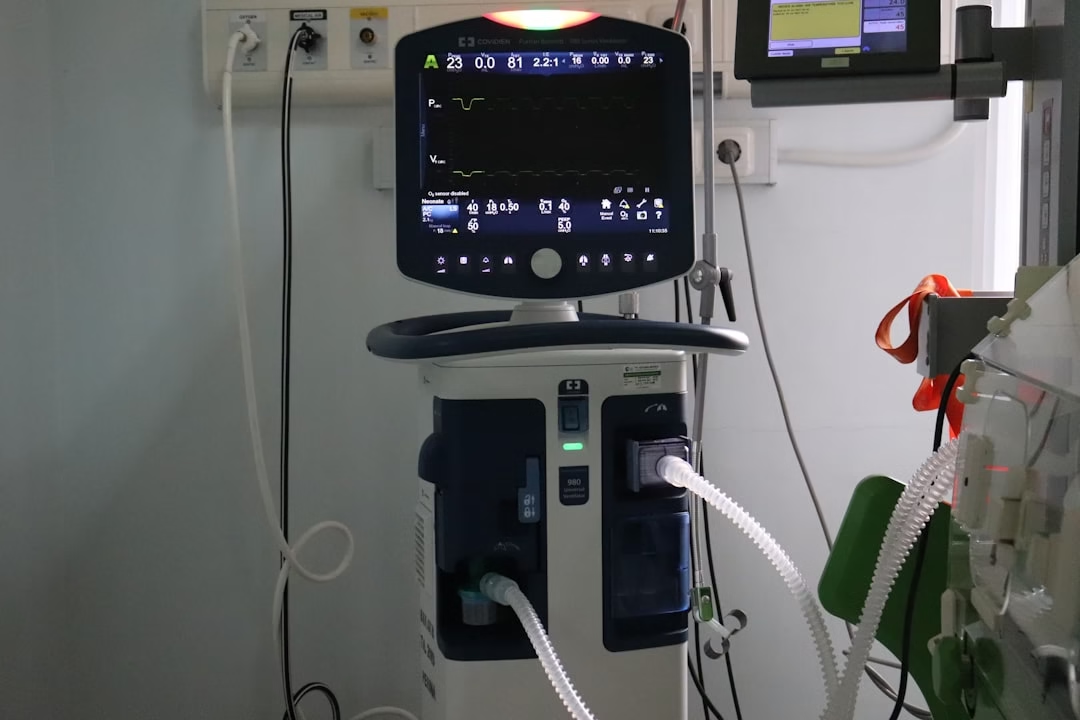
Oxygen Therapy Post-Surgical Recovery Advantages
The primary advantage of oxygen therapy post-surgical recovery is faster healing times. Well-oxygenated tissues repair themselves more efficiently. Another significant advantage is the reduction in post-operative cognitive dysfunction, especially in elderly patients. Supplemental oxygen helps maintain clear mental function.
It also provides a safety net for patients with underlying respiratory conditions. For complex cases, a device like the BMC BPAP G2S B25VT/B30VT ventilator offers advanced support. These advantages contribute to shorter hospital stays and lower overall care costs. Following Health Authority Abu Dhabi regulations ensures these advantages are delivered safely and effectively.
Common Questions About Post-Surgical Oxygen
Patients often ask how long they need to use oxygen after surgery. Typically, usage ranges from a few days to several weeks, based on the procedure and healing progress. Another frequent question concerns activity while using oxygen. Generally, patients can move around, but they must avoid tripping on tubing.
Many also wonder about skin irritation from the cannula. Using padding or adjusting the fit can help. Is oxygen therapy addictive? No, medical oxygen is not addictive; it’s a treatment for a specific condition. For device-specific queries, such as using a ResMed AirFit F30i full face mask, consult your provider. Always refer to official UAE government healthcare regulations for broader health guidelines.
Expert Recommendations for Optimal Recovery
Medical experts emphasize strict adherence to the prescribed oxygen flow rate and duration. Never adjust settings without consulting your healthcare team. They also recommend combining oxygen therapy with gentle, approved physical activity. This combination improves circulation and lung expansion.
Staying hydrated is crucial, as oxygen therapy can sometimes dry nasal passages. Use a humidifier if your device has an integrated option, like the BMC Resmart G2S A20 Auto CPAP machine. Finally, monitor your oxygen saturation with a pulse oximeter as advised. For personalized guidance, contact our respiratory specialists at Oxydubai.
Frequently Asked Questions (FAQ)
Q1: How does oxygen therapy speed up surgical recovery?
A: It increases oxygen supply to healing tissues, promoting cell growth and fighting infection.
Q2: Is a prescription needed for post-surgical oxygen?
A: Yes, a medical prescription specifying flow rate and duration is legally required in the UAE.
Q3: Can I travel with my oxygen concentrator?
A: Many portable models are approved for travel. Always check with your airline and provider first.
Q4: What are the signs I need oxygen therapy after surgery?
A: Shortness of breath, fatigue, confusion, or a low pulse oximeter reading are key signs.
Q5: How is oxygen therapy post-surgical recovery monitored?
A: Through regular pulse oximetry checks and clinical assessment of wound healing and energy levels.
Q6: Where can I rent or buy reliable equipment in the UAE?
A: Oxydubai offers a wide range of certified respiratory equipment and products for sale or rent with expert support.
Conclusion
In summary, oxygen therapy post-surgical recovery is a cornerstone of modern post-operative care. It directly supports the body’s natural healing processes while minimizing risks. For patients in the UAE, accessing high-quality, compliant equipment is straightforward with reputable suppliers.
By following medical advice and using appropriate technology, recovery can be smoother and faster. Ultimately, this therapy empowers patients to regain their health and independence with confidence. For more information on tailoring a recovery plan to your specific needs, contact our respiratory specialists today.

