

Oxygen Therapy for COPD Patients Dubai: Complete Treatment Guide
Oxygen Therapy for COPD
Chronic Obstructive Pulmonary Disease (COPD) presents significant challenges for patients in Dubai. Managing this condition requires a comprehensive approach. Oxygen therapy for COPD patients is a cornerstone of effective treatment. This guide provides a complete overview for Dubai residents. It covers everything from basic principles to advanced strategies. Furthermore, it addresses the specific healthcare landscape of the UAE. However, successful management depends on personalized care and professional guidance. Additionally, we will explore the latest equipment and best practices available locally.
Living with COPD in a dynamic city like Dubai demands robust support systems. The local climate and lifestyle can influence treatment plans. Therefore, understanding the nuances of oxygen therapy is crucial. This guide aims to empower patients and caregivers with essential knowledge. Moreover, it connects you with trusted resources for respiratory equipment and products. Ultimately, proper management can dramatically improve quality of life. Let’s explore the complete treatment guide for oxygen therapy for COPD patients in Dubai.
Understanding Oxygen Therapy for COPD
COPD is a progressive lung disease causing breathing difficulties. It includes emphysema and chronic bronchitis. Consequently, the body’s oxygen levels can drop dangerously low. This condition is known as hypoxemia.
Oxygen therapy for COPD involves administering supplemental oxygen. It compensates for the lungs’ reduced ability to absorb oxygen. This treatment is vital for patients with low blood oxygen saturation. Typically, a doctor prescribes it after specific tests. These tests measure arterial blood gas levels.
Long-term oxygen therapy can significantly extend life expectancy. It also reduces hospital admissions. Therefore, adherence to the prescribed regimen is non-negotiable. The World Health Organization respiratory health guidelines emphasize its importance for severe COPD management.
Oxygen Therapy for COPD Benefits
Supplemental oxygen offers profound benefits for qualified patients. Firstly, it alleviates shortness of breath. This makes daily activities much more manageable. Secondly, it improves sleep quality and reduces fatigue.
Moreover, it enhances cognitive function. The brain receives adequate oxygen to operate optimally. Furthermore, it can prevent complications like pulmonary hypertension. Consistent use also boosts exercise tolerance and stamina.
Patients often report a better overall quality of life. They can engage more in social and family activities. Additionally, it helps the heart work less hard. This reduces the risk of heart failure. The UAE Ministry of Health medical standards support these clinical benefits.
How Oxygen Therapy for COPD Works
A doctor determines the required oxygen flow rate. This is measured in liters per minute (LPM). The prescription is based on individual patient needs. It specifies the flow rate and duration of use.
Oxygen is delivered via various devices. Stationary concentrators are common for home use. Portable units allow for mobility outside the home. Devices like the Inogen One G5 portable oxygen concentrator are popular in Dubai. They are lightweight and efficient.
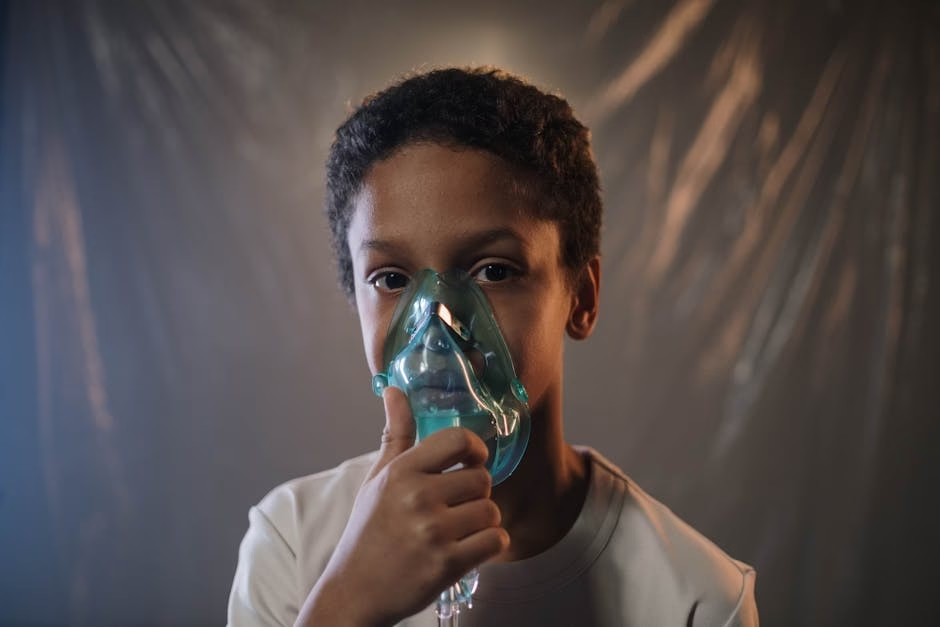
Delivery happens through a nasal cannula or mask. The goal is to maintain oxygen saturation above 90%. Regular monitoring with a pulse oximeter is essential. This ensures the therapy remains effective at all times.
Best Oxygen Therapy for COPD Practices
Adhering to best practices maximizes therapy effectiveness. First, use oxygen exactly as prescribed by your pulmonologist. Do not adjust the flow rate without medical consultation. Second, ensure proper equipment maintenance. Clean tubing and cannulas regularly to prevent infections.
Third, practice fire safety rigorously. Oxygen supports combustion. Therefore, never smoke or use open flames near the equipment. Fourth, stay hydrated. Oxygen can be drying to the nasal passages.
Finally, integrate therapy into your lifestyle seamlessly. Use portable concentrators for outings in Dubai. Explore compact devices like the ResMed AirMini compact CPAP for travel. Compliance with these practices is crucial for safety and results.
Oxygen Therapy for COPD Implementation
Implementing this treatment requires careful planning. Start with a thorough assessment by a specialist in Dubai. They will confirm the need for supplemental oxygen. Next, choose the right equipment. Consider your lifestyle and mobility requirements.
Setting up a safe home environment is the next step. Identify a well-ventilated area for the concentrator. Keep it away from heat sources. Furthermore, establish a routine for using the oxygen. Wear it during sleep and physical activity as directed.
Regular follow-ups with your doctor are mandatory. They will monitor your progress and adjust the prescription if needed. For advanced cases, a device like the ResMed Astral 150 ventilator might be recommended. Always follow Dubai Health Authority healthcare guidelines for medical device use.
Advanced Oxygen Therapy for COPD Strategies
Advanced strategies can optimize treatment outcomes. Ambulatory oxygen is for use during physical exertion. It helps patients stay active without becoming breathless. Nocturnal oxygen is used during sleep to prevent dangerous dips in oxygen levels.
Another strategy is using demand or pulse-dose devices. These deliver oxygen only when you inhale. This conserves oxygen and extends battery life. It is ideal for portable concentrators. Moreover, combining oxygen with pulmonary rehabilitation enhances benefits.
This includes supervised exercise and education. For patients requiring non-invasive ventilation, a ResMed AirSense 11 CPAP machine can be integrated. These advanced approaches are aligned with UAE government healthcare regulations.
Oxygen Therapy for COPD Success Tips
Achieving success with this therapy involves several key tips. First, make oxygen use a consistent habit. Integrate it into your daily routine without fail. Second, educate your family and friends. They can provide support and help ensure safety.
Third, plan for outings and travel within Dubai. Ensure your portable concentrator is charged. Carry extra batteries if needed. Fourth, use a comfortable interface. A well-fitted ResMed AirFit F30i mask can improve compliance.
Fifth, stay positive and patient. It takes time to adjust to using oxygen. Finally, maintain a strong relationship with your healthcare team. They are your partners in managing COPD effectively. Regular check-ups are a cornerstone of long-term success.
Future of Oxygen Therapy for COPD
The future of this treatment is promising. Technology continues to evolve rapidly. We can expect even smaller and more efficient portable concentrators. Battery life will continue to improve, allowing for longer mobility.
Furthermore, integration with digital health platforms is on the horizon. This will enable remote monitoring by physicians. Smart devices will automatically adjust flow rates based on activity levels. Additionally, research into new oxygen delivery methods is ongoing.
These innovations will further enhance patient quality of life. The regulatory framework from bodies like the Health Authority Abu Dhabi regulations will ensure these technologies are safe and effective for patients across the UAE.
Frequently Asked Questions
How long do I need to use oxygen therapy each day?
Your doctor will prescribe the specific duration. Generally, for maximum benefit, long-term oxygen therapy for COPD is used for at least 15 hours per day, including during sleep.
Can I travel on an airplane with my oxygen concentrator?
Yes, but you must plan ahead. Airlines have specific policies for portable oxygen concentrators. You will need prior approval and your device must be FAA-approved. Always contact the airline well in advance of your flight.
What is the difference between an oxygen concentrator and an oxygen tank?
An oxygen concentrator filters oxygen from the air, providing a continuous supply as long as it has power. An oxygen tank contains a finite amount of pressurized oxygen that will eventually run out and need refilling.
Are there any side effects of using oxygen therapy?
Side effects are typically mild. They can include skin irritation from the cannula, nasal dryness, or morning headaches. Using a humidifier and ensuring proper fit can mitigate these issues. Always report persistent problems to your doctor.
Will using oxygen therapy cure my COPD?
No, oxygen therapy is not a cure for COPD. It is a treatment that manages the symptoms and complications of low blood oxygen. It significantly improves quality of life, reduces hospitalizations, and can prolong life when used as prescribed.
How do I get a prescription for oxygen therapy in Dubai?
You need a consultation with a pulmonologist or respiratory specialist. They will perform tests, such as an arterial blood gas test or pulse oximetry, to determine if you meet the medical criteria. If you do, they will provide a written prescription. You can then contact our respiratory specialists for equipment setup.
Conclusion
Oxygen therapy for COPD is a vital, life-enhancing treatment. It offers a path to better breathing and a more active life for patients in Dubai. Understanding the principles, benefits, and best practices is the first step. Implementing them with consistency and care is the key to success.
This guide has provided a comprehensive overview. It covered everything from basic understanding to future innovations. The goal is to empower you to take control of your respiratory health. Therefore, do not hesitate to seek professional advice and explore the right equipment for your needs.
Take the next step towards improved well-being today. Consult with a healthcare professional to see if this treatment is right for you. Embrace the support and technology available to manage COPD effectively. Your journey to better breathing starts with informed action and the right partnership.

