Oxygen Therapy for COPD Patients – Complete Guide
Searching for oxygen therapy equipment? Managing Chronic Obstructive Pulmonary Disease (COPD) at home requires a reliable strategy. Consequently, supplemental oxygen therapy is a cornerstone treatment. It significantly improves survival and quality of life for patients with chronic hypoxemia. In the UAE’s diverse climate, having the right home equipment ensures consistent therapy. Therefore, understanding your options is crucial for effective disease management.
Medical oxygen increases blood oxygen levels. This reduces breathlessness and fatigue. Moreover, it helps protect your heart and other organs from strain. Ultimately, proper use can allow you to stay more active and independent. At Oxydubai, trusted by 10,000+ UAE patients, we provide premium respiratory equipment and products. Our specialists ensure you receive tailored solutions for your home care needs.
Need Respiratory Solutions?
Understanding Oxygen Therapy for COPD Patients
Oxygen therapy for COPD patients is a prescribed medical treatment. It delivers supplemental oxygen to individuals whose lungs cannot maintain adequate blood oxygen saturation. Typically, a doctor will order this therapy after specific blood gas tests. The goal is to keep oxygen levels above 88-92% saturation. This treatment is often needed for 15+ hours daily, including during sleep.
There are several delivery systems available for home use. Stationary concentrators plug into a wall outlet and filter oxygen from the air. Conversely, portable units like the Inogen One G5 portable oxygen concentrator offer mobility. Additionally, liquid oxygen systems and high-pressure cylinders are other options. The World Health Organization respiratory health guidelines emphasize the importance of correct oxygen use for chronic respiratory conditions.
Benefits of Home Oxygen Treatment
Using supplemental oxygen at home offers profound life-changing advantages. First, it reduces hospital admissions and extends life expectancy. Second, patients experience less shortness of breath (dyspnea) and have increased stamina. Therefore, daily activities like walking or household chores become easier. Furthermore, oxygen therapy improves sleep quality and reduces morning headaches caused by low oxygen at night.
Mental clarity and cognitive function often improve with proper oxygenation. This happens because the brain receives more fuel. Also, it can decrease the workload on the heart, preventing complications like pulmonary hypertension. For comprehensive care, pairing oxygen with devices like the Philips Respironics DreamStation Auto CPAP can manage co-existing sleep apnea. Adherence to UAE Ministry of Health medical standards ensures all treatments are safe and effective.
Oxygen Therapy for COPD Features
Modern oxygen therapy for COPD patients devices come with user-centric features. Key among these is adjustable flow settings, usually from 1 to 5 liters per minute (LPM) or higher. Many units now include oxygen concentration monitoring. This ensures the delivered gas is over 90% pure. Additionally, intuitive control panels and remote controls enhance ease of use, especially for elderly patients.
Safety features are paramount. Alarms for low oxygen purity, power failure, and high pressure are standard. Moreover, devices operate quietly, often below 45 decibels. For instance, advanced BiPAP machines like the Philips DreamStation Auto BiPAP machine integrate sophisticated sensing technology. These features comply with stringent Dubai Health Authority healthcare guidelines for medical devices.
Home Oxygen System Specifications
Selecting the right system depends on technical specifications matching patient needs. Stationary concentrators typically weigh 14-23 kg and require a continuous power supply. Their oxygen output can range from 1 to 10 LPM. Conversely, portable concentrators are lightweight, often under 5 kg, and use battery power. Their pulse-dose delivery is efficient for active users but may not suit all patients.
Flow type is a critical specification. Continuous flow provides a constant stream, ideal for sleeping. Pulse flow delivers oxygen only upon inhalation, conserving supply. Furthermore, devices like the BMC Resmart G2S A20 Auto CPAP machine show how integrated humidification improves comfort. Always verify that equipment meets Health Authority Abu Dhabi regulations for home medical use.
Expert Medical Advice?
Setup and Daily Maintenance
Proper setup begins with a safe, well-ventilated location away from heat sources. Keep the concentrator at least 15 cm from walls and furniture. Next, connect the oxygen tubing to the device and to your nasal cannula or mask. Then, plug the unit into a dedicated electrical outlet, preferably with a surge protector. Finally, turn it on and set the prescribed flow rate as directed by your doctor.
Daily maintenance is simple but essential. Wipe the exterior with a dry cloth and clean the filter weekly with mild soap and water. Additionally, replace disposable nasal cannulas every 2-4 weeks and tubing every 3-6 months. For devices like the ResMed AirFit F30i full face mask, regular cushion replacement is key. Following UAE government healthcare regulations for equipment maintenance ensures long-term reliability and safety.
Oxygen Therapy for COPD Advantages
The primary oxygen therapy for COPD patients advantage is sustained life improvement. Clinically, it is the only therapy proven to increase survival in hypoxemic COPD. From a lifestyle perspective, it enables greater participation in family and social activities. Economically, it reduces the frequency and cost of emergency hospital visits. Moreover, psychological benefits include reduced anxiety associated with breathlessness.
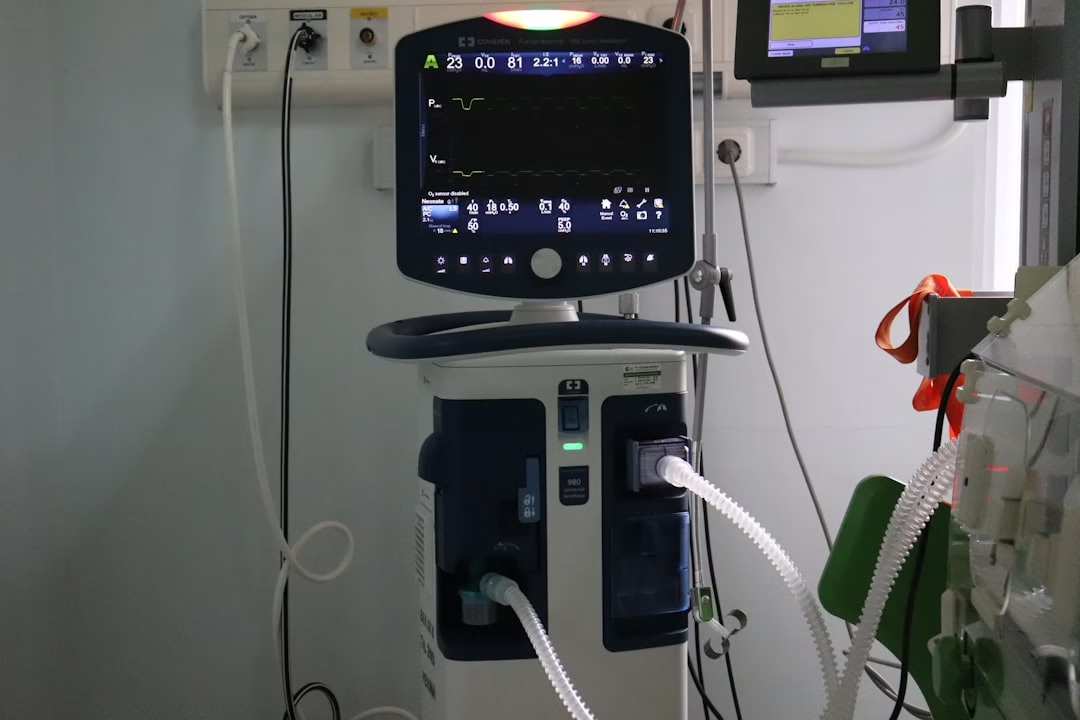
Technological integration offers further advantages. For example, combining oxygen with a Philips DreamStation BiPAP ST machine provides robust respiratory support. This is particularly helpful during COPD exacerbations. Ultimately, consistent use stabilizes the condition and slows disease progression. This holistic approach aligns with global best practices for chronic disease management at home.
Common Questions Answered
Patients often ask if they will become dependent on oxygen. The answer is no; your body is already dependent on adequate oxygen levels. Therapy simply corrects a deficiency. Another frequent question concerns travel. Yes, you can travel with portable concentrators, but always check airline policies in advance. Also, many wonder about exercise. Using oxygen during activity often improves performance and reduces dyspnea.
Is oxygen flammable? Oxygen itself is not flammable, but it vigorously supports combustion. Therefore, never smoke or use open flames near oxygen equipment. Can I use a CPAP machine with oxygen? Yes, many devices allow oxygen integration. For complex needs, a BMC BPAP G2S B25VT/B30VT ventilator may be recommended. For personalized answers, contact our respiratory specialists directly.
Expert Recommendations for Success
Success with home oxygen therapy hinges on adherence and correct usage. First, always use the oxygen for the number of hours prescribed by your pulmonologist. Second, have a backup power plan, like a generator or battery pack, for power outages. Third, keep regular appointments to have your equipment serviced and your prescription reassessed. Furthermore, educate family members on how to operate the equipment in case of emergency.
Invest in a portable concentrator to maintain an active lifestyle. Also, use a humidifier bottle if you experience nasal dryness from the oxygen flow. Finally, join a patient support group. Sharing experiences can provide practical tips and emotional encouragement. Adhering to these expert recommendations maximizes the therapeutic benefits of your home oxygen system.
Frequently Asked Questions (FAQ)
Q: How do I know if I need home oxygen therapy for COPD?
A: Your doctor will prescribe it based on blood oxygen level tests (arterial blood gas or oximetry), typically if your levels are at or below 88% at rest.
Q: What is the difference between an oxygen concentrator and a tank?
A: Concentrators filter oxygen from the air electronically and require power. Tanks contain pre-filled, pressurized oxygen and are portable but need refilling.
Q: Can I use oxygen while sleeping?
A> Yes, and it is often critically important to use it during sleep, as oxygen levels can drop significantly at night.
Q: How often should I replace my oxygen tubing?
A: Replace standard tubing every 3-6 months, or sooner if it becomes stiff, discolored, or cracked to prevent bacterial growth.
Q: What are the safety precautions for oxygen therapy for COPD patients?
A> Key precautions include no smoking, keeping the unit away from open flames and heat sources, and ensuring good ventilation around the device.
Q: Does insurance cover home oxygen equipment in the UAE?
A: Many UAE health insurance plans cover prescribed home oxygen therapy. It’s best to check with your provider and supplier like Oxydubai for specific policy details and paperwork assistance.
Conclusion
In summary, home-based oxygen therapy for COPD patients is a vital, life-enhancing treatment. It empowers individuals to manage their condition effectively within the comfort of their homes. By understanding the systems, adhering to maintenance, and following expert advice, patients can achieve significantly better health outcomes. The key is to choose reliable equipment tailored to your lifestyle and medical requirements.
In the UAE, accessing high-quality care and equipment is straightforward. With providers like Oxydubai offering a range of solutions from portable concentrators to advanced ventilators, comprehensive support is available. Therefore, take the step towards better respiratory health. Explore your options and consult with specialists to build a sustainable home care plan that lets you breathe easier and live more fully.