

Oxygen During Eye Surgery Dubai – Complete Guide
Managing respiratory conditions in UAE? Understanding the critical role of oxygen during eye surgery Dubai is vital for patient safety. Ophthalmology procedures, from cataract removal to complex retinal surgeries, require meticulous anesthetic management. Consequently, ensuring stable oxygen saturation is paramount. In Dubai’s world-class surgical centers, advanced monitoring and delivery systems are standard. This guide explores the protocols, equipment, and expertise that define ophthalmic care in the region.
The UAE’s healthcare framework, aligned with World Health Organization respiratory health guidelines, mandates strict safety standards. Therefore, anesthesiologists and surgeons work in tandem. They monitor vital signs continuously throughout delicate eye operations. This collaborative approach minimizes risks and promotes optimal outcomes for every patient.
At Oxydubai, we support this ecosystem by providing premium respiratory equipment and products. Trusted by 10,000+ UAE patients, our solutions extend from clinical settings to home care. We ensure that the principles of safe oxygen administration are upheld across all levels of treatment.
Need Respiratory Solutions?
Understanding Oxygen During Eye Surgery Dubai
The administration of oxygen during eye surgery Dubai is a precise science. First, patients are often under sedation or general anesthesia. This can depress natural respiratory drive. As a result, supplemental oxygen prevents hypoxia, ensuring brain and eye tissues remain well-perfused. Modern operating rooms in Dubai utilize integrated anesthesia machines. These devices blend oxygen with anesthetic gases accurately.
Furthermore, specific procedures like vitrectomy or corneal transplant can be lengthy. Stable oxygen levels are therefore non-negotiable. Anesthesiologists follow protocols from the Dubai Health Authority healthcare guidelines. They use pulse oximeters for real-time monitoring. This vigilance is a cornerstone of patient safety in ophthalmic surgery.
Additionally, for patients with pre-existing conditions like COPD, customized plans are essential. Specialists might utilize precise delivery systems akin to a high-quality ResMed AirSense 11 CPAP machine for controlled flow. This attention to detail exemplifies the high standard of care in the Emirates.
Benefits of Ophthalmic Anesthesia Safety
Ensuring proper oxygenation offers profound benefits. Primarily, it prevents intraoperative complications such as cardiac strain or cognitive dysfunction. Moreover, well-oxygenated patients tend to recover more smoothly from anesthesia. They experience less postoperative confusion and nausea. This leads to a better overall surgical experience and faster discharge.
Another key advantage is surgical precision. When a patient’s physiology is stable, the surgeon can operate with greater confidence. There are fewer interruptions to address fluctuating vital signs. Consequently, outcomes for vision correction and other delicate interventions improve significantly. The UAE Ministry of Health medical standards strongly emphasize this link between systemic stability and surgical success.
Finally, robust protocols build patient trust. Knowing that every breath is monitored allows individuals to approach surgery with less anxiety. This psychological comfort is a valuable aspect of holistic care in Dubai’s leading eye hospitals and clinics.
Oxygen During Eye Surgery Dubai Features
The technical features supporting oxygen during eye surgery Dubai are advanced. First, anesthesia workstations feature fail-safe mechanisms and oxygen concentration monitors. These alarms alert staff instantly if delivery is compromised. Additionally, scavenging systems remove excess gases, protecting both patient and operating room personnel.
Portable oxygen concentrators, similar in principle to the Inogen One G5 portable oxygen concentrator, may be used in pre-operative holding areas. They prepare patients with respiratory issues before induction. This proactive stabilization is a critical feature of modern care pathways. Furthermore, post-operative recovery bays are equipped with wall-mounted oxygen outlets and nasal cannulas.
Integration with electronic health records is another key feature. Oxygen saturation data is logged automatically. This creates an auditable trail for quality assurance and complies with UAE government healthcare regulations. Such technological integration ensures continuity of care from the OR to the ward.
Medical Gas System Specifications
Hospital infrastructure for medical gases meets rigorous specifications. Pipeline systems deliver medical-grade oxygen at specific pressures (typically 345-380 kPa). The lines are constructed from specialized copper alloys to prevent contamination. Moreover, outlet points in operating rooms are double-sourced. They have main and reserve supplies to guarantee uninterrupted flow during a procedure.
Gas cylinders, used as backups, are also held to strict standards. They are color-coded (white in the UAE) and undergo regular hydrostatic testing. These specifications are enforced by the Health Authority Abu Dhabi regulations and adopted nationally. Compliance is verified through frequent inspections by facility engineers and external auditors.
For mobile surgical units or in specific scenarios, compact delivery systems are used. The engineering principles mirror those in devices like the ResMed AirMini compact CPAP—reliability in a small footprint. This ensures safety standards are maintained even outside traditional OR settings.
Expert Medical Advice?
Setup and Maintenance Protocols
Correct setup begins with a pre-operative checklist. Anesthesiologists verify oxygen cylinder pressure and pipeline connectivity. They also test the anesthesia machine’s low-pressure leak test. This procedure ensures the integrity of the entire breathing circuit before patient connection. Subsequently, monitors are calibrated, and alarm limits are set appropriately for the individual patient.
Routine maintenance is legally mandated. Biomedical engineers perform scheduled servicing on all gas delivery equipment. This includes flowmeter accuracy checks and valve functionality tests. Records of this maintenance are kept for regulatory review. Similarly, for patients requiring long-term oxygen at home after surgery, proper setup is crucial. Devices must be demonstrated clearly, as we do with all our respiratory equipment and products.
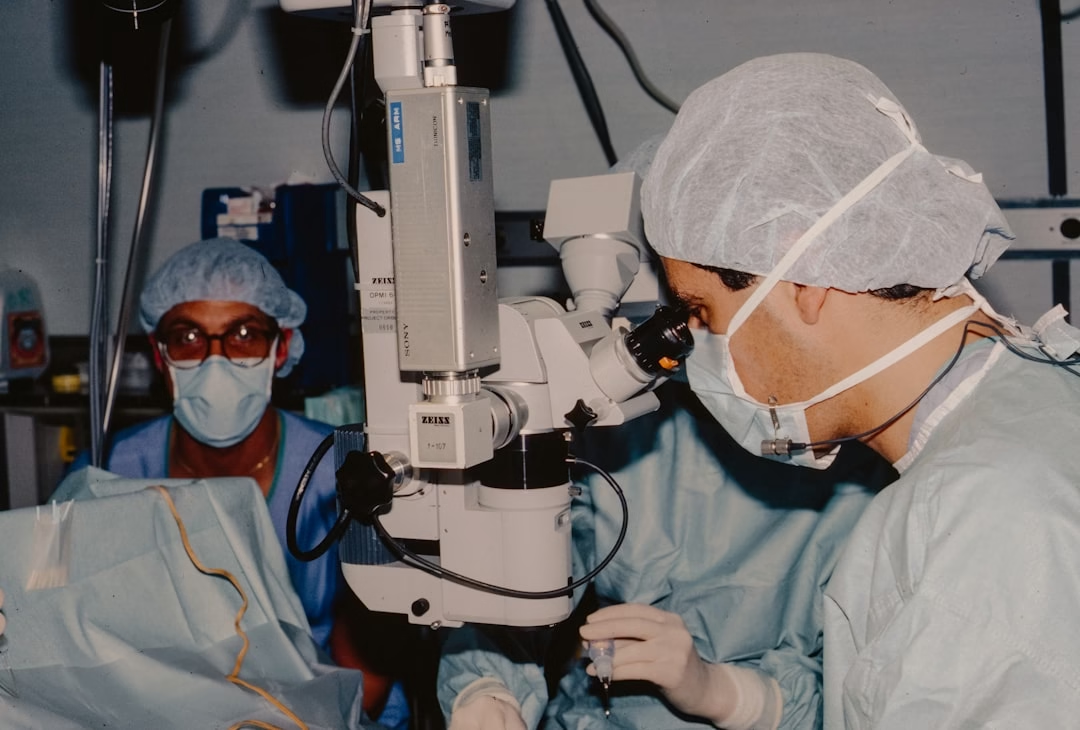
Emergency maintenance protocols are also in place. In the rare event of a central system failure, trained staff immediately switch to cylinder supplies. Regular drills ensure that every team member knows their role. This layered approach to setup and upkeep is what makes Dubai’s surgical environments exceptionally safe.
Oxygen During Eye Surgery Dubai Advantages
The systematic approach to oxygen during eye surgery Dubai offers clear advantages. Foremost is enhanced patient safety, reducing the incidence of anesthesia-related adverse events. This is the top priority for every surgical team. Another advantage is operational efficiency. Standardized protocols mean fewer delays and smoother workflow in the operating theater.
Furthermore, this focus supports Dubai’s reputation as a global medical tourism hub. International patients seek care here because they trust the integrated safety systems. The technology used, from advanced ventilators like the ResMed Astral 150 ventilator to precise monitoring, is world-class. This attracts leading surgical talent, creating a virtuous cycle of excellence.
Finally, there is an advantage in data and research. The consistent application of best practices generates valuable outcomes data. This information helps refine protocols further and contributes to global medical knowledge. It positions UAE institutions at the forefront of ophthalmic anesthesia research.
Common Questions on Surgical Oxygen
Patients often have questions about anesthesia and oxygen. A frequent one is: “Will I be breathing on my own during surgery?” Typically, yes. Most eye surgery uses sedation with a secured airway or monitored anesthesia care. You breathe spontaneously but receive supplemental oxygen via a small nasal cannula or mask. The anesthesiologist continuously assists and monitors your breathing.
Another common question concerns claustrophobia. “What if I feel anxious with the oxygen mask?” Teams are trained to manage this. They can use lighter, less intrusive interfaces. Options like the comfortable ResMed AirFit F30i mask illustrate how design minimizes contact with the face. Pre-operative discussions with your anesthetist can address all such concerns.
People also ask about risks. “Is too much oxygen harmful?” In standard surgical doses, it is extremely safe. Anesthesiologists carefully control the concentration. Their goal is to maintain normal physiological levels, avoiding both deficiency and excess. This balance is a fundamental part of their specialized training.
Expert Recommendations for Patients
Experts offer clear recommendations for patients undergoing eye surgery. First, provide a complete medical history, especially regarding lung conditions like asthma or sleep apnea. This allows the anesthesia team to tailor your oxygen and drug management plan. Secondly, ask questions during your pre-anesthesia assessment. Understanding the process reduces anxiety and improves cooperation.
For patients with known sleep apnea using CPAP at home, bring your device to the hospital. The team may use it post-operatively to ensure stable breathing. Choosing a portable, travel-friendly model like the ResMed AirMini can simplify this process. Moreover, follow all pre-operative fasting instructions strictly. This minimizes the risk of aspiration and respiratory complications during sedation.
Finally, choose a facility accredited by UAE health authorities. These centers adhere to the highest standards for equipment, staffing, and protocols regarding oxygen during eye surgery Dubai. For any concerns about respiratory equipment for pre- or post-operative care, you can always contact our respiratory specialists for guidance.
Frequently Asked Questions (FAQ)
Q1: Why is oxygen monitoring so critical during eye surgery?
Even minor fluctuations can affect eye pressure and brain function. Constant monitoring ensures immediate correction, protecting your vision and overall health.
Q2: Can I have eye surgery if I have COPD?
Yes, but it requires careful planning. Anesthesiologists will adjust oxygen levels and drug choices specifically for you, often in consultation with a pulmonologist.
Q3: What happens if the power fails during surgery?
Hospitals have extensive backup systems. Oxygen pipelines have manual override, and generators power monitors and lights instantly, ensuring no compromise in care.
Q4: How is oxygen delivered during “awake” cataract surgery?
You typically receive low-flow oxygen via a thin nasal cannula. This keeps you comfortable and safe while you are lightly sedated but breathing on your own.
Q5: What role does oxygen during eye surgery Dubai play in patient outcomes?
It is foundational. Stable oxygenation prevents complications, allows for smoother anesthesia, and contributes directly to successful surgical results and faster recovery.
Q6: Is portable oxygen needed after eye surgery?
Rarely for most patients. However, those with severe pre-existing lung conditions might need it temporarily. A thorough assessment will determine if a unit like the Inogen One G5 is recommended for your discharge plan.
Conclusion
In summary, the management of oxygen during eye surgery Dubai represents a critical fusion of technology, expertise, and rigorous protocol. It is a non-negotiable pillar of patient safety in ophthalmology. From the advanced anesthesia workstations in the OR to the personalized care plans for complex patients, every detail is optimized. This commitment aligns with the UAE’s vision for a world-leading healthcare sector.
As a patient, understanding this aspect of your care can provide significant reassurance. You can trust that Dubai’s surgical teams are equipped and trained to the highest global standards. Their vigilance ensures that your focus can remain on achieving the best possible visual outcome. The systems in place are designed for your safety and comfort at every stage.
For those managing respiratory health alongside surgical needs, expert support is available. Explore our range of premium respiratory equipment and products to support your journey toward better health and clear vision.