

Oxygen During Dialysis Treatment – Complete Guide
Managing respiratory conditions in UAE? For patients undergoing hemodialysis, maintaining optimal oxygen saturation is a critical component of care. Consequently, supplemental oxygen during dialysis treatment is often necessary to prevent hypoxemia, a common occurrence during the procedure. This therapy supports vital organ function, reduces cardiovascular strain, and enhances overall treatment tolerance. In the UAE’s advanced medical landscape, clinics like Renal Clinic Dubai prioritize integrated care protocols. Therefore, understanding the application and benefits of this intervention is essential for patient safety and comfort. At Oxydubai, trusted by 10,000+ UAE patients, we provide premium respiratory equipment and products to support such critical medical needs.
Need Respiratory Solutions?
Understanding Oxygen During Dialysis Treatment
Hemodialysis can sometimes lead to a drop in blood oxygen levels, a condition known as dialysis-induced hypoxemia. Several factors contribute to this. Primarily, the interaction of blood with the dialysis membrane can activate immune responses. Additionally, fluid removal may affect cardiopulmonary function. Therefore, administering oxygen during dialysis treatment is a proactive measure. It ensures patients maintain adequate saturation levels throughout their session. Modern clinics utilize precise protocols aligned with UAE Ministry of Health medical standards. This approach mitigates risks like shortness of breath or cardiac stress. Ultimately, it makes the procedure safer and more manageable for the patient.
Equipment selection is crucial for effective delivery. Stationary oxygen concentrators are common in clinics. However, for patient mobility or specific needs, portable units may be integrated. Devices like the Inogen One G5 portable oxygen concentrator offer flexibility. Proper monitoring with pulse oximeters is also standard. This allows clinicians to adjust flow rates in real-time. The goal is personalized care that addresses individual respiratory demands during treatment.
Benefits of Supplemental Oxygen Therapy
The advantages of using supplemental oxygen during renal dialysis are significant. First, it directly combats hypoxemia, preventing its uncomfortable and dangerous symptoms. Patients often experience less fatigue and dizziness. Furthermore, it supports cardiovascular stability, which is vital for individuals with compromised kidney function. Adequate oxygenation also improves cognitive function during treatment. Patients can remain more alert and comfortable. This contributes to a better overall dialysis experience and adherence to treatment schedules.
Moreover, consistent oxygen use can reduce long-term strain on the heart and lungs. This is particularly important for patients with co-existing conditions like COPD or heart failure. By following World Health Organization respiratory health guidelines, clinics ensure therapy is evidence-based. The integration of high-quality equipment, such as the ResMed Astral 150 ventilator for complex cases, enhances these benefits. Consequently, patient outcomes and quality of life see measurable improvement.
Oxygen During Dialysis Treatment Features
Effective oxygen during dialysis treatment relies on specific features in the delivery system. Key among these is precise flow rate control, allowing titration from low to high liters per minute. Integrated oxygen concentrators often feature quiet operation and high purity output (93% ± 3%). Additionally, built-in safety alarms for low oxygen concentration or power failure are mandatory. These features ensure uninterrupted therapy during the critical dialysis window. Compatibility with clinic infrastructure is also essential. Systems must seamlessly integrate with dialysis machines and patient monitoring networks.
Another important feature is patient comfort. For instance, using a comfortable interface like the ResMed AirFit F30i mask can improve compliance. Furthermore, equipment should adhere to Dubai Health Authority healthcare guidelines for medical devices. This includes robust construction and easy maintenance protocols. Ultimately, these features work together to deliver safe, effective, and comfortable oxygen supplementation throughout the dialysis procedure.
Therapy Specifications and Protocols
Clinical protocols for oxygen administration during dialysis are highly specific. Typically, flow rates are initiated based on baseline SpO2 and patient history. Rates commonly range from 2 to 5 liters per minute via nasal cannula. However, some patients may require higher flows or different interfaces. The therapy duration matches the dialysis session, usually 3 to 4 hours. Monitoring is continuous, with nurses checking saturation levels every 30 minutes. Adjustments are made accordingly to maintain SpO2 above 92%. This protocol is designed to meet Health Authority Abu Dhabi regulations for patient care standards.
Equipment specifications must match these protocols. Oxygen concentrators need sufficient capacity for continuous, daily use. Backup oxygen cylinders are always on standby as a safety measure. For home dialysis patients, training on portable devices is provided. This ensures therapy continuity and safety outside the clinic. Proper documentation of oxygen use is also part of the specification, forming a complete audit trail for quality care.
Expert Medical Advice?
Setup and Maintenance for Safety
Correct setup of oxygen delivery systems in a dialysis unit is fundamental. Initially, equipment must be placed in well-ventilated areas away from heat sources. Next, tubing should be routed safely to avoid tripping hazards. Connections to the oxygen source and patient interface must be secure to prevent leaks. Before each session, clinicians perform a functional check of the concentrator or tank. They also verify that backup systems are operational. This meticulous setup minimizes risks and ensures immediate readiness for patient care.
Routine maintenance is equally critical. According to UAE government healthcare regulations, medical equipment requires regular servicing. Filters in concentrators must be cleaned or replaced as per manufacturer guidelines. Flow meters and humidifiers need periodic calibration. Furthermore, staff must be trained in emergency procedures for equipment failure. This comprehensive approach to setup and maintenance guarantees that oxygen during dialysis treatment is delivered reliably and safely, session after session.
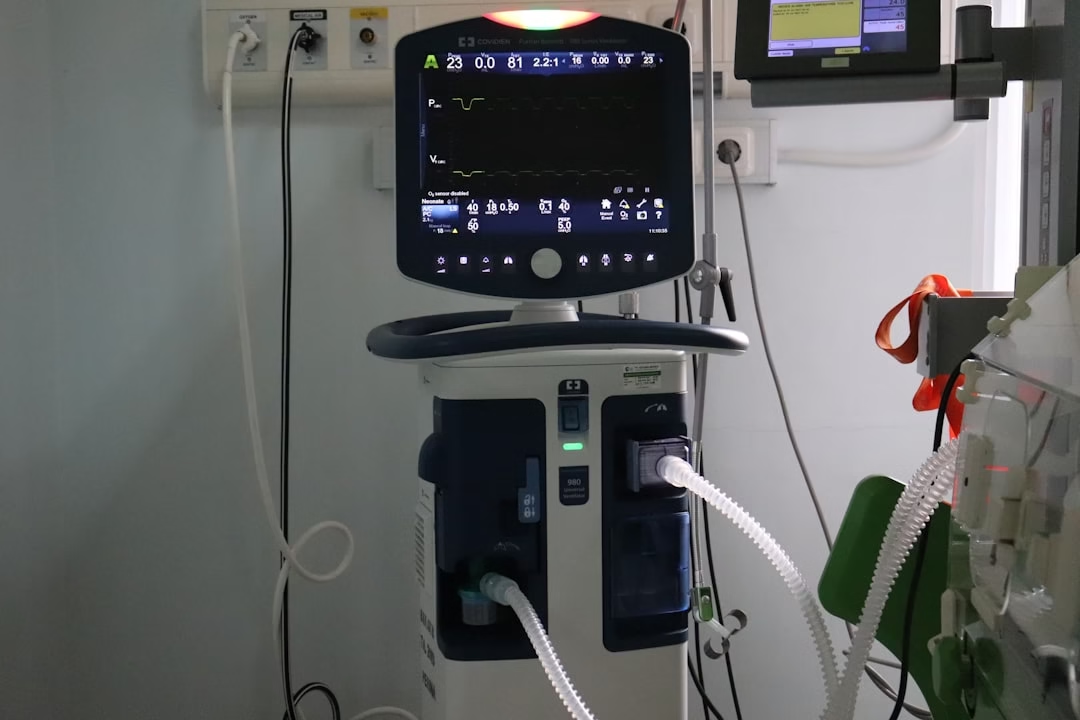
Oxygen During Dialysis Treatment Advantages
The strategic use of oxygen during dialysis treatment offers multifaceted advantages. Clinically, it stabilizes vital signs and reduces the incidence of dialysis-related complications. For the patient, it translates to a more tolerable procedure with less anxiety. From a care provider’s perspective, it simplifies patient management during sessions. Additionally, it can potentially shorten recovery time post-dialysis. This allows patients to resume their daily activities more quickly. These advantages underscore why it is a standard of care in modern renal units.
Another key advantage is the prevention of hospital admissions related to dialysis distress. Proactive oxygenation helps avoid severe hypoxemic events that could require emergency intervention. Investing in reliable equipment, such as the ResMed AirSense 11 CPAP machine for patients with co-morbid sleep apnea, creates a holistic respiratory support system. Therefore, the benefits extend beyond the dialysis chair, contributing to broader health stability and improved long-term prognosis for renal patients.
Common Questions Answered
Patients and caregivers often have questions about this therapy. A frequent query is whether oxygen is needed for every dialysis session. The answer is no; it is prescribed based on individual patient assessment. Another common question concerns the feeling of using oxygen. Most patients adapt quickly and feel relief from air hunger. People also ask about the safety of oxygen equipment. When maintained and used according to guidelines, it is extremely safe. Clinics follow strict protocols to ensure this.
Others wonder if they can become dependent on supplemental oxygen during dialysis. Importantly, this therapy does not cause dependency; it simply supports the body during a stressful procedure. Finally, many inquire about costs and insurance. In the UAE, coverage depends on the insurer and the clinical prescription. Reputable suppliers like Oxydubai can often assist with guidance on insurance claims for necessary respiratory equipment and products.
Expert Recommendations for Clinics
For renal clinics in Dubai aiming to optimize care, experts offer several recommendations. First, conduct regular audits of oxygen therapy protocols against international and local standards, including DHA guidelines. Second, invest in high-quality, reliable equipment from trusted brands. Devices should offer both stationary and portable options, like the compact ResMed AirMini compact CPAP for specific patient needs. Third, ensure continuous staff training on the latest equipment and emergency response.
Furthermore, experts recommend personalized patient assessments. Not every patient will require the same oxygen flow rate or delivery method. Finally, establishing a strong partnership with a specialized medical equipment provider is crucial. This ensures access to the latest technology, reliable maintenance, and professional support. Implementing these recommendations enhances patient safety, improves clinical outcomes, and solidifies the clinic’s reputation for excellence in integrated renal care.
Frequently Asked Questions
1. Why is oxygen during dialysis treatment sometimes necessary?
It counteracts dialysis-induced hypoxemia, ensuring vital organs receive enough oxygen during fluid removal and blood filtration.
2. How is the oxygen flow rate determined for a patient?
A healthcare professional sets the rate based on pre-dialysis blood oxygen saturation (SpO2), patient history, and real-time monitoring during the session.
3. Are there any risks to using oxygen during dialysis?
When administered correctly with monitored equipment, risks are minimal. The primary risk of not using it when indicated is hypoxia.
4. Can a patient receive too much oxygen during treatment?
Yes, excessive oxygen can be harmful. Therefore, clinics use pulse oximeters to titrate the flow to a precise, safe target range.
5. What type of equipment is best for providing oxygen during dialysis treatment?
Medical-grade oxygen concentrators are standard. For specific cases, portable units or integrated ventilator systems may be used based on the clinician’s prescription.
6. Who should I contact for more information on respiratory equipment for clinic use?
You can contact our respiratory specialists at Oxydubai for detailed product information and clinical support tailored to your needs.
Conclusion
In summary, the provision of supplemental oxygen during dialysis treatment is a cornerstone of modern, patient-centered renal care. It addresses a common physiological challenge, enhancing safety, comfort, and clinical outcomes. For clinics in Dubai and across the UAE, adhering to high medical standards and utilizing advanced, reliable equipment is non-negotiable. Consequently, partnering with an experienced supplier ensures access to the necessary technology and expertise. Ultimately, this integrated approach supports the well-being of dialysis patients. It empowers them to undergo their essential treatments with greater ease and confidence. For more information on implementing or optimizing this therapy, explore our range of respiratory equipment and products designed for clinical excellence.