

Oxygen During Dental Work Dubai – Complete Guide
Managing respiratory conditions in UAE? Navigating dental procedures while requiring supplemental oxygen can be a significant concern. Consequently, understanding the protocols for oxygen during dental work Dubai is crucial for patient safety and comfort. This medical support ensures stable oxygen saturation levels throughout treatments, from cleanings to complex oral surgery. Moreover, it provides peace of mind for patients with COPD, sleep apnea, or other respiratory challenges.
In the UAE’s advanced healthcare landscape, dental clinics adhere to strict safety standards. These standards are aligned with UAE Ministry of Health medical standards. Therefore, clear communication about your oxygen needs is not just recommended; it’s a vital part of pre-procedure planning. Ultimately, this proactive approach guarantees a smooth and secure dental experience.
At Oxydubai, trusted by 10,000+ UAE patients, we provide the premium respiratory equipment and products that support such medical scenarios. Our expertise helps bridge the gap between daily respiratory therapy and specialized medical care.
Need Respiratory Solutions?
Understanding Oxygen During Dental Work Dubai
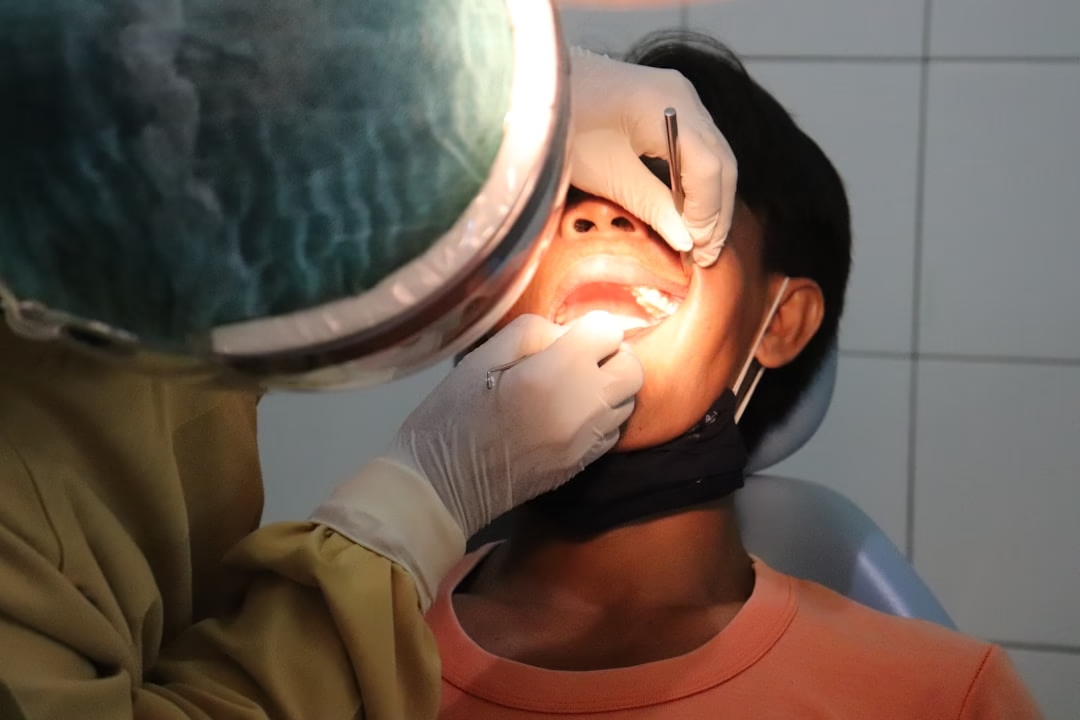
Firstly, the use of oxygen during dental work Dubai involves administering supplemental oxygen to patients before, during, or after a dental procedure. This practice is essential for individuals whose respiratory function may be compromised by stress, sedation, or pre-existing conditions. Typically, dental teams monitor blood oxygen levels with a pulse oximeter. If levels drop, they can promptly provide oxygen via a nasal cannula or mask.
Furthermore, the context is particularly important in a cosmopolitan hub like Dubai. Here, dental professionals regularly treat patients with diverse medical histories. As a result, clinics are equipped with appropriate emergency oxygen systems. These systems comply with Dubai Health Authority healthcare guidelines. For instance, patients using a ResMed AirSense 11 CPAP machine for sleep apnea should discuss their therapy with their dentist. This discussion ensures continuity of care.
Ultimately, the goal is to prevent hypoxia—a dangerous drop in blood oxygen. Therefore, this protocol is a standard of care for safety-conscious practices across the Emirates.
Benefits of Supplemental Oxygen in Dentistry
Utilizing supplemental oxygen during oral care offers multiple advantages. Primarily, it enhances patient safety by stabilizing vital signs. Dental anxiety is common; however, anxiety can lead to rapid, shallow breathing. This breathing pattern reduces oxygen intake. Supplemental oxygen counteracts this effect, promoting relaxation and stability.
Additionally, for patients with chronic lung diseases, it prevents acute exacerbations triggered by stress. Moreover, it allows for safer administration of sedation. Dentists can use lower doses of anxiolytics when they know oxygenation is supported. This support reduces procedural risks significantly.
Another key benefit is improved recovery. Afterward, patients wake up clearer from sedation and experience less fatigue. This process is facilitated by maintaining optimal oxygen saturation throughout. Consequently, the practice aligns with the World Health Organization respiratory health guidelines on patient-centered care. It’s a simple intervention with a profound impact on treatment outcomes and patient confidence.
Oxygen During Dental Work Dubai Features
The specific features of managing oxygen during dental work Dubai are defined by both technology and protocol. Firstly, dental chairs are often equipped with built-in medical gas outlets. These outlets deliver precise, clean oxygen. Secondly, portable units are available for clinics without built-in systems. For example, a compact device like the Inogen One G5 portable oxygen concentrator can be ideal for mobility.
Another critical feature is continuous monitoring. Dental teams use real-time pulse oximetry to track SpO2 levels. This monitoring allows for immediate intervention if levels fall below 92%. Furthermore, adjustable flow rates are essential. Different patients require different liter flows, from 2 to 15 liters per minute. Therefore, equipment must be versatile.
Finally, integration with other respiratory devices is a key feature. For instance, patients might need to switch from their CPAP to a dental-compatible oxygen delivery system. Understanding these features ensures that the provision of oxygen during dental work Dubai is seamless, safe, and effective for every individual.
Dental Oxygen Protocol Specifications
Technical specifications for dental oxygen protocols are rigorous. Firstly, the oxygen source must be medical-grade, with a purity of 99% or higher. Delivery systems, like nasal cannulas or face masks, must be single-use or sterilized. This practice prevents cross-contamination. Additionally, flow meters must be accurately calibrated. Regular maintenance checks are mandated by Health Authority Abu Dhabi regulations.
Moreover, backup systems are non-negotiable. Every clinic must have a primary and a secondary oxygen supply. This redundancy is crucial for emergency situations. The equipment should also be compatible with suction apparatus. During procedures, managing the airway is paramount. Consequently, simultaneous oxygen delivery and oral suction capability are standard specifications.
For patients bringing personal devices, like a ResMed AirMini compact CPAP, specifications include ensuring battery life and appropriate interfaces. Clear specifications create a fail-safe environment for all respiratory patients.
Expert Medical Advice?
Setup and Maintenance for Dental Safety
Proper setup begins with a pre-procedure consultation. Dentists must review the patient’s medical history and current oxygen requirements. Then, they position the oxygen source within easy reach. Tubing is routed to avoid tangling with dental equipment. Importantly, the setup allows the dentist unimpeded access to the oral cavity. For this reason, specialized dental nasal cannulas are often used.
Maintenance is equally critical. Oxygen cylinders and concentrators require regular inspection. Filters must be changed as per manufacturer guidelines. Flow meters and regulators should be tested for accuracy monthly. Additionally, all staff must be trained in emergency oxygen administration. This training includes recognizing signs of respiratory distress.
Furthermore, maintenance logs must be kept according to UAE government healthcare regulations. For clinics using advanced devices like the ResMed Astral 150 ventilator for complex cases, manufacturer-certified servicing is essential. Consistent maintenance ensures reliability when it matters most.
Oxygen During Dental Work Dubai Advantages
The advantages of standardized oxygen during dental work Dubai protocols extend to all stakeholders. For patients, the primary advantage is profound: reduced risk. This safety net allows individuals with severe respiratory issues to access essential dental care without fear. Furthermore, it minimizes complications, leading to smoother recoveries and better overall health outcomes.
For dental practitioners, it mitigates legal and clinical risks. Adhering to best practices protects the practice and enhances its reputation for comprehensive care. Another advantage is broader patient inclusivity. Clinics can confidently treat a wider demographic, including elderly patients and those with significant comorbidities.
Finally, for the healthcare system, it prevents avoidable hospitalizations. Dental emergencies due to respiratory distress are reduced. This efficiency aligns with the UAE’s vision for a proactive, integrated health ecosystem. Therefore, investing in proper protocols and equipment, like reliable masks such as the ResMed AirFit F30i mask, creates a virtuous cycle of safety and trust.
Common Questions on Dental Oxygen Use
Patients often have important questions about this process. A frequent query is: “Can I use my personal portable concentrator during the appointment?” Usually, yes. However, you must inform the clinic in advance for compatibility checks. Another common question concerns cost. Is there an extra charge? Often, basic emergency oxygen is included. Nevertheless, dedicated, prolonged supplementation might incur a fee.
Many ask, “Will the oxygen interfere with the dental procedure?” Typically, it does not. Modern delivery methods are designed to be unobtrusive. Others wonder about sedation. “Is oxygen used with sedation?” Yes, absolutely. In fact, it is a standard safety partner during intravenous or inhalation sedation.
Finally, patients inquire about preparation. “Do I need to bring my medical records?” Yes, bringing a summary from your pulmonologist is highly advised. This record should include your baseline oxygen flow rates and any ventilator settings. Clear communication answers these questions and builds essential pre-appointment confidence.
Expert Recommendations for UAE Patients
Experts offer clear recommendations for a safe dental visit. First, schedule a consultation with your dentist before any procedure. Discuss your full respiratory history and current equipment use. Secondly, obtain a medical clearance letter from your pulmonologist or respiratory specialist. This letter should outline your stable condition and specific needs.
Third, ensure your portable equipment is fully charged and functioning. If you use a device like the Inogen G5, bring it along with its accessories. Fourth, confirm the dental clinic’s capabilities. Ask directly if they have experience managing patients requiring oxygen during dental work Dubai. Additionally, verify they have emergency protocols aligned with DHA standards.
Finally, plan for recovery. Arrange for transportation home, as you may be fatigued. By following these expert recommendations, you transform potential anxiety into a well-managed, predictable healthcare experience. For personalized guidance, you can always contact our respiratory specialists.
Frequently Asked Questions (FAQ)
Q1: Is it common for dentists in Dubai to provide oxygen?
Yes, it is standard practice. Most modern clinics have emergency oxygen systems, and many are equipped to provide supplemental oxygen throughout procedures for at-risk patients.
Q2: What should I tell my dentist about my respiratory condition?
Disclose all diagnoses (e.g., COPD, sleep apnea), current equipment (CPAP, concentrator), prescribed oxygen flow rate, and your pulmonologist’s contact details.
Q3: Can I wear my CPAP mask during dental work?
Typically, no. The mask obstructs access to the mouth. However, your dentist can provide oxygen via a nasal cannula and discuss alternatives for extended procedures.
Q4: Are there risks to using oxygen in the dental chair?
When administered by trained professionals, risks are minimal. The main precaution is ensuring no open flames or sparks are nearby, as oxygen supports combustion.
Q5: How do I find a dentist in Dubai experienced with oxygen during dental work?
Look for clinics advertising “sedation dentistry” or “treatment for medically complex patients.” Directly call and ask about their protocols and staff training for respiratory support.
Q6: Does insurance cover the cost of oxygen administration during dental work Dubai?
Coverage varies. Basic emergency oxygen is often included. However, elective supplemental oxygen may require pre-approval. Always check with your insurance provider and the dental clinic beforehand.
Conclusion
In summary, managing the need for oxygen during dental work Dubai is a well-established and critical component of inclusive healthcare. By prioritizing clear communication, verified protocols, and the right equipment, patients with respiratory conditions can receive dental care safely and comfortably. The UAE’s robust regulatory framework ensures clinics meet high standards, giving patients additional reassurance.
Ultimately, your health journey should be seamless across different specialties. Therefore, proactive planning with both your respiratory therapist and dentist is key. For those seeking reliable, high-quality respiratory equipment that supports such integrated care, exploring the range of respiratory equipment and products is an excellent first step. Embrace informed communication and expert partnerships to maintain your oral health without compromising your respiratory well-being.

