

Oxygen During Blood Transfusion – Complete Guide
Managing respiratory conditions in UAE? Understanding the protocol for oxygen during blood transfusion is vital for patient safety. This hematology support measure ensures adequate tissue oxygenation, especially in anemic or critically ill patients. Consequently, it mitigates risks during this common medical procedure. In the UAE’s advanced healthcare landscape, integrating precise oxygen therapy with transfusion medicine is a standard of care. Therefore, medical professionals must grasp its indications and applications.
Administering supplemental oxygen can prevent transfusion-related complications. It supports respiratory function when the body is processing new blood volume and components. Moreover, it is crucial for patients with pre-existing cardiopulmonary issues. The World Health Organization respiratory health guidelines emphasize supportive care during medical procedures. Adhering to these protocols ensures optimal outcomes for patients across Dubai, Abu Dhabi, and the wider Emirates.
At Oxydubai, trusted by 10,000+ UAE patients, we provide the premium respiratory equipment and products needed to implement this support safely. From hospital-grade concentrators to monitoring devices, having the right tools is fundamental.
Need Respiratory Solutions?
Understanding Oxygen During Blood Transfusion
The use of oxygen during blood transfusion is a key hematology support strategy. Primarily, it addresses the increased oxygen demand and potential respiratory stress in vulnerable patients. For instance, those with severe anemia may have compromised oxygen delivery. Transfusion corrects anemia, but supplemental oxygen provides immediate support during the process.
This practice aligns with safety protocols from the UAE Ministry of Health medical standards. Furthermore, it is a precaution against transfusion-associated circulatory overload (TACO). By ensuring high arterial oxygen content, clinicians reduce cardiac workload. Equipment like the ResMed Astral 150 ventilator can be essential for critical cases. Ultimately, this understanding forms the bedrock of safe transfusion medicine.
Benefits of Transfusion Oxygen Support
Providing oxygen as hematology support offers multiple clinical benefits. First, it enhances the oxygen-carrying capacity of the transfused blood. This is because dissolved oxygen in plasma provides an immediate boost before red cells fully integrate. Additionally, it stabilizes patients with chronic obstructive pulmonary disease (COPD) or heart failure during volume changes.
Another significant advantage is risk reduction. Specifically, it lowers the incidence of hypoxemia-related adverse events. Transitioning smoothly, this support also aids in faster patient recovery post-transfusion. For reliable delivery, devices like the Inogen One G5 portable oxygen concentrator offer flexibility in clinical settings. Following Dubai Health Authority healthcare guidelines ensures these benefits are consistently realized.
Oxygen During Blood Transfusion Features
Effective implementation of oxygen during blood transfusion requires specific features in equipment. Key features include precise flow rate control, typically from 1 to 15 LPM, to meet patient-specific needs. Moreover, integrated oxygen concentration monitoring is crucial for ensuring delivered FiO2 remains constant.
Portability is another important feature for bedside use in wards or during patient transport. Furthermore, devices should have robust safety alarms for low oxygen purity or power failure. For example, the ResMed AirSense 11 CPAP machine, while primarily for sleep therapy, highlights the importance of reliable oxygen blending features in advanced devices. Compatibility with various delivery interfaces, from nasal cannulas to non-rebreather masks, is also essential for this hematology support role.
Transfusion Support Specifications
Medical-grade equipment for this purpose must meet stringent specifications. Typically, oxygen concentrators should deliver 90-96% pure oxygen consistently. Flow accuracy must be within ±10% of the set value to avoid under or over-administration. Noise levels should also be low, ideally under 45 decibels, for patient comfort.
Power specifications are vital, especially in the UAE, with compatibility for 220-240V. Additionally, backup battery options ensure uninterrupted support. Devices must comply with Health Authority Abu Dhabi regulations for medical devices. For instance, a compact device like the ResMed AirMini compact CPAP exemplifies the engineering standards required for reliable clinical use. These specs guarantee safe and effective adjunctive care.
Expert Medical Advice?
Setup and Maintenance Protocols
Correct setup is fundamental for safety. Initially, position the concentrator or oxygen source in a well-ventilated area, away from beds or curtains. Next, connect a clean, appropriate delivery device like the ResMed AirFit F30i mask if needed. Then, set the prescribed flow rate before applying it to the patient.
Routine maintenance is equally important. Daily checks should include inspecting tubing for kinks and ensuring filters are clean. Furthermore, perform regular output purity tests as per manufacturer guidelines. Adherence to UAE government healthcare regulations for medical device upkeep is mandatory. Consequently, scheduled professional servicing ensures long-term reliability and patient safety during critical transfusions.
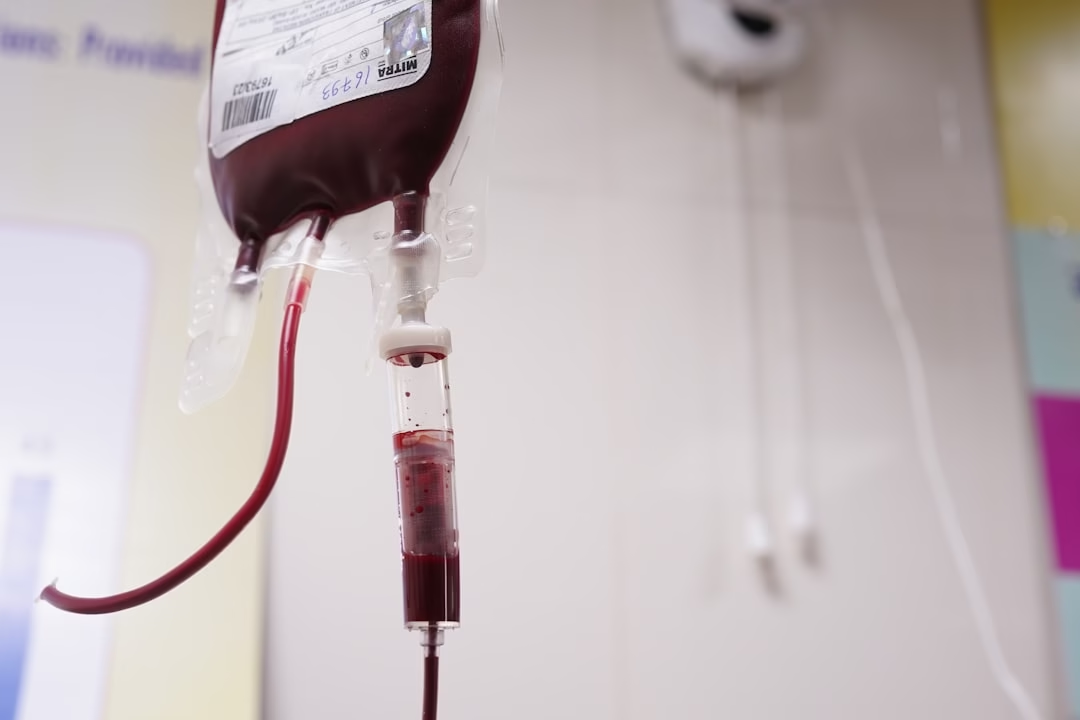
Oxygen During Blood Transfusion Advantages
The strategic advantages of using oxygen during blood transfusion are clear in clinical outcomes. Primarily, it provides a safety margin for patients with limited cardiopulmonary reserve. This proactive hematology support can prevent emergency situations, thereby streamlining nursing care and monitoring.
Another advantage is its role in facilitating smoother transfusions in high-risk settings like ICUs. It also allows for faster transfusion rates when clinically necessary, without compromising patient stability. Using validated equipment from a trusted supplier like Oxydubai ensures these advantages are fully realized. Therefore, this practice is a cornerstone of modern, patient-centered transfusion medicine in the UAE.
Common Questions on Transfusion Support
Many healthcare providers have questions about this practice. A frequent query is whether oxygen is needed for every transfusion. The answer is no; it is typically reserved for high-risk patients. Another common question concerns the optimal flow rate. Generally, 2-4 LPM via nasal cannula is standard, but it must be titrated to patient saturation and clinical condition.
People also ask about the duration of support. Usually, oxygen is administered throughout the transfusion and for a short period afterward. Questions about equipment can be directed by contacting our respiratory specialists. Understanding these nuances ensures protocol is applied judiciously and effectively.
Expert Recommendations for Safety
Experts emphasize a patient-tailored approach. First, always conduct a pre-transfusion assessment of cardiopulmonary status. Based on this, decide on the need for supplemental oxygen. Continuously monitor pulse oximetry throughout the procedure. Additionally, be prepared to adjust oxygen flow based on real-time feedback.
Experts also recommend using medical-grade equipment that meets GCC standards. Training for staff on the interplay between transfusion and oxygen therapy is crucial. Finally, document all parameters meticulously. Following these expert recommendations, grounded in global and local guidelines, maximizes safety and efficacy in hematology support.
FAQ: Oxygen During Blood Transfusion
Q1: Is oxygen always required during a blood transfusion?
No, it is not mandatory for all patients. However, it is strongly recommended for those with anemia, cardiac issues, or respiratory conditions.
Q2: What is the typical flow rate for oxygen during blood transfusion?
Flow rates vary. Often, 2-4 liters per minute via nasal cannula is sufficient. Nevertheless, always follow the prescribing physician’s orders.
Q3: Can portable oxygen concentrators be used for this purpose?
Yes, modern portable concentrators like the Inogen G5 are suitable for stable patients. Ensure the device can provide the required continuous flow rate.
Q4: How does oxygen act as hematology support during transfusion?
It increases oxygen dissolved in plasma. This provides immediate tissue oxygenation while waiting for transfused red cells to circulate effectively.
Q5: What are the signs that a patient needs oxygen during transfusion?
Signs include falling SpO2, shortness of breath, tachycardia, or increased work of breathing. Monitor patients closely for these indicators.
Q6: Where can I find reliable equipment for oxygen during blood transfusion support?
For reliable respiratory equipment and products, consult specialized providers like Oxydubai that comply with UAE regulations.
Conclusion
In summary, the adjunctive use of oxygen during blood transfusion is a critical component of comprehensive hematology support. It enhances patient safety, minimizes risks, and supports physiological stability during a potentially stressful procedure. For healthcare facilities in Dubai, Abu Dhabi, and across the UAE, integrating this practice with high-quality equipment is non-negotiable for excellent care.
By following established guidelines and utilizing reliable devices, medical teams can ensure optimal outcomes. Ultimately, this synergy between transfusion medicine and respiratory support exemplifies advanced patient care. For all your clinical needs, explore our curated range of medical equipment and consult with our experts to implement best practices safely and effectively.

