

Oxygen Device Travel Regulations – Complete Guide
Need respiratory equipment in Dubai? Navigating oxygen device travel regulations is crucial for a smooth journey. These rules ensure safety for all passengers while allowing vital medical equipment onboard. Consequently, understanding airline policies prevents last-minute stress. In the UAE, major carriers like Emirates and Etihad have specific procedures. Therefore, preparation is the key to hassle-free travel.
Flying with devices like a portable oxygen concentrator (POC) offers freedom. Patients maintain their therapy without interruption. However, airlines classify these as medical devices, not standard luggage. As a result, you must follow strict guidelines. At Oxydubai, trusted by 10,000+ UAE patients, we provide premium respiratory equipment and products and guide you through travel compliance. Our experts help you understand every step.
The UAE’s aviation authority sets clear standards. Airlines require advance notification and documentation. For instance, you must submit forms before your flight. Additionally, device specifications must meet airline criteria. This guide explains everything you need. We cover approvals, battery rules, and packing tips. Ultimately, our goal is your confidence and safety.
Need Respiratory Solutions?
Understanding Oxygen Device Travel Regulations
Oxygen device travel regulations are frameworks set by airlines and aviation bodies. They govern the carriage of medical oxygen. Primarily, these rules address safety concerns like battery fire risk. Each airline publishes its own policy document. Therefore, you must check your carrier’s website first.
Generally, regulations cover three areas: device approval, battery requirements, and passenger documentation. For example, most airlines only accept FAA-approved portable concentrators. Similarly, batteries must be of a certain type and capacity. Furthermore, you need a doctor’s letter and a completed MEDIF form. The UAE government healthcare regulations align with international standards, ensuring consistency.
Planning ahead is non-negotiable. Contact the airline’s medical desk at least 48 hours before your flight. Provide details about your device, like the Inogen One G5 portable oxygen concentrator. Then, carry all printed confirmations with you. This proactive approach avoids boarding denials. Remember, regulations exist for everyone’s safety.
Benefits of Flying with Approved Devices
Traveling with an approved respiratory device offers immense benefits. First, it provides continuous therapeutic care. You won’t miss vital oxygen sessions during long journeys. Moreover, it promotes independence and improves quality of life. Patients can visit family or pursue business trips confidently.
Using a compliant device ensures seamless airport security checks. Approved models are recognized by staff, speeding up the process. Additionally, you keep the device with you in the cabin. This allows for immediate use if needed. According to World Health Organization respiratory health guidelines, maintaining consistent oxygen levels is critical for managing conditions.
Another key advantage is peace of mind. Knowing you’ve followed all rules reduces travel anxiety. Airlines are more accommodating when procedures are followed. For instance, they may assign you a seat with easier access to power. Devices like the Philips Respironics DreamStation Auto CPAP are designed for travel-friendly use. Ultimately, compliance unlocks freedom.
Oxygen Device Travel Regulations Features
Key features define modern oxygen device travel regulations. Firstly, they specify approved device lists. Airlines often reference models from manufacturers like Inogen or Philips. Secondly, regulations detail battery specifications. Lithium-ion batteries are common but have watt-hour limits. Typically, spare batteries must be in carry-on baggage.
Another feature is the mandatory medical form requirement. This includes a physician’s statement of fitness to fly. Furthermore, the form outlines your oxygen flow rate needs. Airlines use this to ensure in-flight safety. The Dubai Health Authority healthcare guidelines emphasize proper documentation for medical travel.
Regulations also cover equipment usage during the flight. For example, devices can usually be used during cruising altitude but not during takeoff or landing. Additionally, you may need to bring enough batteries for 150% of the flight duration. Products like the BMC Resmart G2S A20 Auto CPAP machine often meet these stringent criteria. Understanding these features is essential for compliance.
Medical Equipment Specifications for Air Travel
Not all medical devices are cleared for air travel. Airlines enforce strict specifications. The device must be portable and powered by battery. It should not emit radio frequencies that interfere with avionics. Moreover, it must not contain compressed gas or liquid oxygen. These are typically prohibited in passenger cabins.
Size and weight matter too. The device must fit under the seat or in the overhead bin. It cannot obstruct aisles or exits. Additionally, the battery must be securely attached. Airlines often require a manufacturer’s label showing FAA approval. For complex needs, a Philips DreamStation Auto BiPAP machine might be necessary, and its travel suitability should be verified.
Always check the airline’s published list of accepted devices. The UAE Ministry of Health medical standards recommend using devices from reputable suppliers. Ensure your equipment, including masks like the ResMed AirFit F30i full face mask, is in perfect working order. Carry proof of purchase and manufacturer’s documentation. This demonstrates the device’s legitimacy and safety.
Expert Medical Advice?
Setup and Maintenance for Travel Compliance
Proper setup and maintenance are vital for travel. Before your trip, service your device. Check filters, alarms, and battery health. Then, pack all necessary accessories. This includes extra batteries, power cords, and charging adapters. Also, pack a copy of the device manual.
At the airport, be prepared for security screening. Inform officers you have a medical device. You may need to demonstrate it powers on. However, you are not required to turn on oxygen flow. Place the device in a separate bin for X-ray screening if requested. For ventilators like the BMC BPAP G2S B25VT/B30VT ventilator, coordinate with the airline’s special assistance team.
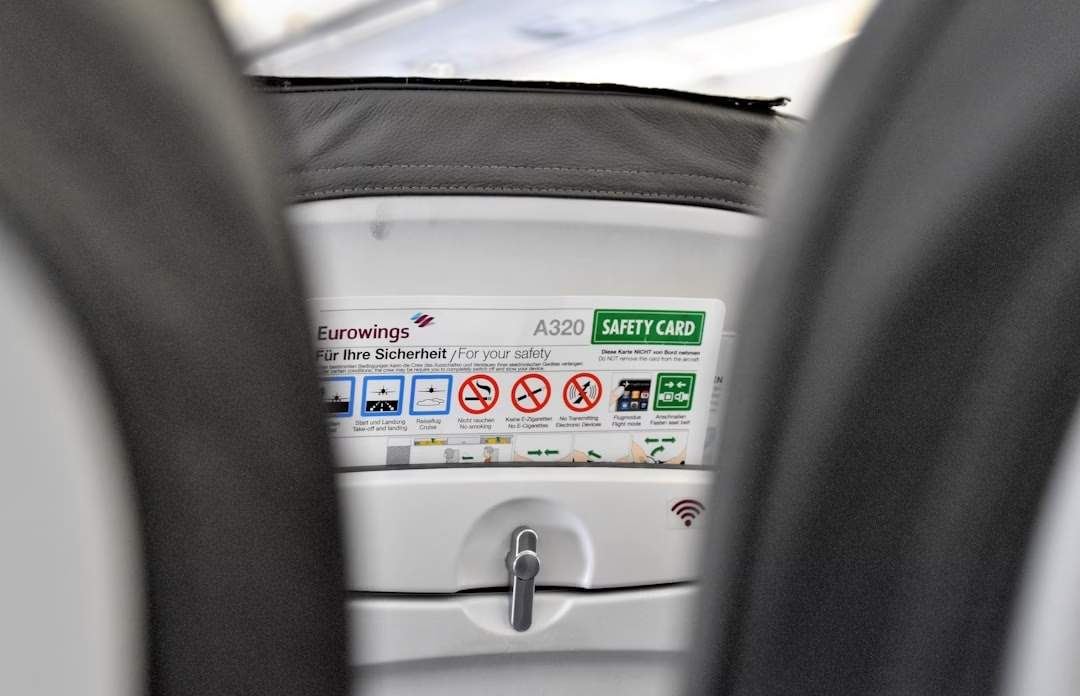
During the flight, use the device as permitted. Ensure your batteries are sufficiently charged for the journey. Furthermore, keep the device in its protective case when not in use. After travel, clean and inspect the equipment. Regular maintenance ensures it remains ready for your next adventure. Following these steps guarantees a smooth experience.
Oxygen Device Travel Regulations Advantages
Adhering to oxygen device travel regulations provides clear advantages. Firstly, it guarantees your right to travel with necessary medical equipment. Airlines cannot refuse compliant devices. Secondly, it ensures your safety and the safety of fellow passengers. Properly managed devices pose minimal risk.
Another advantage is access to airline assistance. When you follow procedures, ground staff and crew are trained to help you. They can provide priority boarding or seating near power outlets. Additionally, you avoid costly last-minute rentals or flight changes. The Health Authority Abu Dhabi regulations support patient mobility through clear protocols.
Ultimately, these regulations standardize the process globally. Whether flying from Dubai or abroad, the principles are similar. Using approved equipment like the Philips DreamStation BiPAP ST machine simplifies compliance. Therefore, you gain confidence and freedom to explore the world without compromising your health.
Common Questions on Airline Medical Travel
Travelers often have similar questions. Can I use my device during the entire flight? Usually, yes, except during takeoff and landing. Do I need to buy a seat for my device? Typically, no, if it fits under the seat. However, always confirm with your airline.
What if my flight is delayed? Carry extra battery power for at least 150% of the scheduled flight time. Are oxygen concentrators provided by airlines? Some offer them, but availability is limited and requires extensive pre-booking. Bringing your own, like a trusted model from our respiratory equipment and products range, is more reliable.
Who do I contact for help? Start with the airline’s medical assistance department. In the UAE, you can also contact our respiratory specialists for pre-travel advice. We help interpret airline policies and ensure your device meets all criteria. Preparation is the best answer to most common questions.
Expert Recommendations for Hassle-Free Travel
Experts recommend starting preparations at least two weeks before your flight. First, consult your doctor for a travel fitness assessment. Then, contact the airline to understand their specific oxygen device travel regulations. Next, gather all documents: doctor’s letter, prescription, and airline approval.
Invest in a travel-friendly device from a reputable supplier. Ensure it is on your airline’s approved list. Test the device with your travel accessories before the trip. Additionally, label your equipment with your name and contact information. Carry a portable power bank if allowed.
Finally, arrive at the airport early. This allows extra time for security and check-in procedures. Inform the check-in agent and gate crew about your medical device. By following these expert steps, you transform a potentially stressful process into a routine part of your journey. Safe travels begin with thorough planning.
Frequently Asked Questions (FAQ)
Q1: How far in advance must I notify the airline about my oxygen device?
A: Notify the airline at least 48-72 hours before departure. However, for complex cases, one week is safer.
Q2: Are all portable oxygen concentrators allowed on flights?
A: No. Only FAA-approved models are typically permitted. Check your airline’s specific list.
Q3: Can I use the aircraft’s power outlet for my device?
A: Sometimes, but not guaranteed. You must have enough battery power for the entire flight duration as a backup.
Q4: What is a MEDIF form, and do I always need it?
A: It’s a Medical Information Form. Most airlines require it for passengers traveling with medical oxygen devices.
Q5: What are the key oxygen device travel regulations for battery safety?
A: Batteries must be under a certain watt-hour rating (often 100-160 Wh). Spares must be in carry-on, protected from short circuits.
Q6: Where can I get my device checked for travel compliance in the UAE?
A: You can contact our respiratory specialists for a pre-travel device check and compliance consultation.
Conclusion
Understanding and following oxygen device travel regulations is essential for any respiratory patient wishing to fly. These rules, while detailed, are designed for universal safety and access. By planning ahead, securing the right documentation, and using airline-approved equipment, you can travel with confidence.
The UAE’s robust healthcare framework, aligned with international standards, supports patients in this process. Whether you use a simple CPAP or a sophisticated ventilator, the principles remain the same: early communication, proper equipment, and carrying correct paperwork. For personalized guidance and compliant respiratory equipment and products, our team is here to help.
Ultimately, the world remains accessible. With careful preparation, your medical needs will not ground your travel plans. Embrace the journey, knowing you are well-informed and well-equipped. Safe travels.

