

Oxygen Concentrator Flow Verification – Complete Guide
Searching for oxygen therapy equipment? Understanding oxygen concentrator flow verification is crucial for effective treatment. This process ensures your device delivers the precise oxygen concentration prescribed by your doctor. Consequently, accurate flow is vital for managing COPD, pulmonary fibrosis, and other respiratory conditions. In the UAE’s diverse climate, from Dubai’s humidity to Abu Dhabi’s heat, device performance can vary. Therefore, regular verification becomes a non-negotiable aspect of care. At Oxydubai, trusted by 10,000+ UAE patients, we provide premium respiratory equipment and products alongside expert guidance on maintaining their clinical accuracy.
Need Respiratory Solutions?
Understanding Oxygen Concentrator Flow Verification
Oxygen concentrator flow verification is a clinical testing procedure. It measures the actual oxygen output against the device’s set flow rate. Essentially, it confirms the machine delivers 90-96% pure oxygen as intended. This process involves specialized tools like oxygen analyzers or flow meters. For instance, a device set at 2 LPM should deliver exactly that. However, factors like filter clogging or aging sieve beds can cause drift. Regular checks, therefore, prevent under-dosing or over-dosing. The World Health Organization respiratory health guidelines emphasize the importance of reliable medical equipment. In the UAE, adhering to UAE Ministry of Health medical standards for device calibration is essential for patient safety.
Benefits of Accurate Flow Rate Testing
Verifying your concentrator’s flow offers immense clinical benefits. First, it ensures therapeutic efficacy, allowing patients to achieve target blood oxygen saturation. Second, it enhances safety by preventing the delivery of hypoxic or hyperoxic gas mixtures. Moreover, it extends device lifespan by identifying maintenance needs early. Patients gain confidence knowing their therapy is working correctly. This is particularly important for active individuals using portable units like the Inogen One G5 portable oxygen concentrator. Furthermore, accurate data helps clinicians make informed prescription adjustments. Ultimately, consistent verification translates to fewer hospital readmissions and better quality of life. It is a cornerstone of responsible respiratory disease management.
Oxygen Concentrator Flow Verification Features
Modern oxygen concentrator flow verification incorporates several key features. Professional-grade analyzers provide digital readouts with high precision. Many devices now feature built-in compliance tracking and data logging. Additionally, some systems offer Bluetooth connectivity for remote monitoring. These features align with the Dubai Health Authority healthcare guidelines for telehealth. For example, verifying a ResMed Astral 150 ventilator integrated with a concentrator requires advanced features. The process also checks for consistency across different flow settings, from 0.5 to 5 LPM or higher. Importantly, it assesses performance under simulated load, mimicking actual patient use. These comprehensive checks ensure every component of your respiratory equipment and products ecosystem functions harmoniously.
Clinical Testing Specifications and Standards
Clinical testing follows rigorous specifications. The primary standard requires oxygen purity ≥82% at the prescribed flow rate. However, high-quality concentrators typically deliver 90-96%. Testing must occur in an environment similar to where the device is used. Ambient temperature and humidity, as per UAE conditions, are recorded. The equipment used must itself be calibrated annually against national standards. Specifications also dictate testing at multiple points in the device’s lifecycle: post-manufacturing, after repair, and at regular service intervals. Adherence to Health Authority Abu Dhabi regulations ensures these standards are met locally. This rigorous framework protects patients relying on devices for critical therapy.
Expert Medical Advice?
Setup and Maintenance for Accurate Flow
Proper setup and maintenance are vital for sustained accuracy. Always place the concentrator in a well-ventilated area, away from walls and heat sources. Subsequently, check and clean the intake filter weekly, especially in dusty UAE environments. Use the manufacturer-specified tubing and accessories, like the ResMed AirFit F30i mask, to ensure compatibility. Schedule professional servicing every 6-12 months for internal filter changes and sieve bed inspection. Importantly, keep a usage log to track performance trends. Following the UAE government healthcare regulations for medical device maintenance is recommended. This proactive approach prevents sudden failures and ensures your device passes oxygen concentrator flow verification every time.
Oxygen Concentrator Flow Verification Advantages
The advantages of consistent oxygen concentrator flow verification are multifaceted. Clinically, it guarantees the prescribed medical dose is delivered, optimizing treatment outcomes. Financially, it prevents waste from using an ineffective device. From a safety perspective, it mitigates risks associated with incorrect oxygen levels. For peace of mind, patients and caregivers gain confidence in the therapy. Verified devices also maintain higher resale value. Furthermore, this practice supports compliance with insurance and regulatory requirements in the UAE. Whether for a stationary home unit or a compact device like the ResMed AirMini compact CPAP used with oxygen, verification is indispensable. It transforms a medical device from a simple machine into a reliable partner in health.
Common Questions on Flow Rate Testing
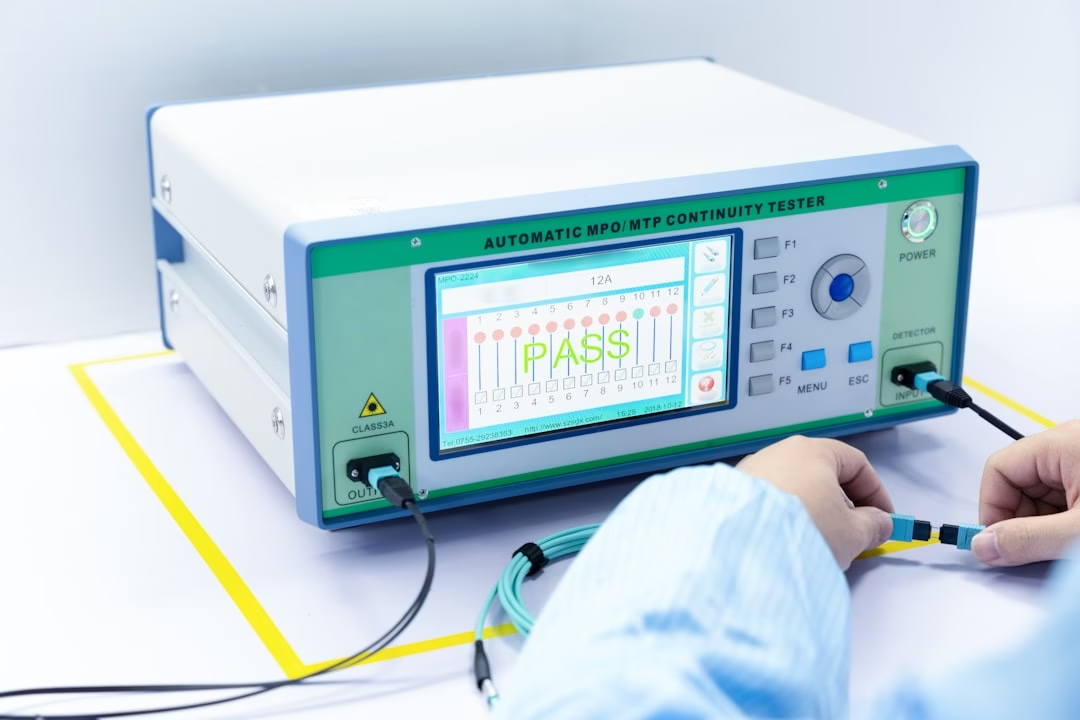
Patients often have questions about flow rate testing. How often should verification be done? We recommend a professional check every 6 months. Can I test it myself? While basic pulse oximetry gives indirect feedback, professional analyzer testing is irreplaceable. Does new equipment need verification? Yes, a pre-use check confirms it meets specifications. What causes flow rate inaccuracy? Typically, clogged filters, compressor issues, or faulty valves are culprits. Does altitude in the UAE affect flow? Yes, devices may need adjustment for high-altitude areas. Where can I get my device tested? Authorized service centers like Oxydubai’s partners offer this service. For all queries, you can always contact our respiratory specialists for personalized advice.
Expert Recommendations for UAE Patients
Experts offer clear recommendations for UAE-based oxygen users. First, purchase devices from accredited suppliers who provide after-sales service and verification. Second, integrate flow checks into your routine care plan, just like doctor visits. Third, choose devices known for reliability and ease of service, such as the ResMed AirSense 11 CPAP machine when used in conjunction with oxygen. Fourth, maintain a relationship with a clinical provider who understands local environmental challenges. Finally, educate yourself on the signs of potential flow issues, like increased breathlessness or device alarm triggers. Following these steps, backed by robust UAE Ministry of Health medical standards, ensures your oxygen therapy remains a pillar of support, not a source of uncertainty.
FAQ: Oxygen Concentrator Flow Verification
Q1: What is oxygen concentrator flow verification?
A: It’s a clinical test to ensure your device delivers the exact oxygen percentage and flow rate prescribed.
Q2: How often should I verify my concentrator’s flow rate?
A: Every six months for routine checks, and immediately if you notice any changes in performance or comfort.
Q3: Can humidity in Dubai affect my oxygen concentrator?
A: Yes, high humidity can affect sieve bed performance. Using a dehumidifier and checking filters more often is advised.
Q4: Is verification different for portable vs. home concentrators?
A: The principle is the same, but portable units like the Inogen One G5 are also tested on battery power.
Q5: Does a normal pulse oximeter reading mean my flow is correct?
A: Not necessarily. A good SpO2 reading is positive, but it doesn’t confirm the concentrator’s output accuracy.
Q6: Where in the UAE can I get professional oxygen concentrator flow verification?
A: Accredited medical equipment service centers, including those recommended by Oxydubai, offer this essential service.
Conclusion
In summary, oxygen concentrator flow verification is a critical, non-negotiable practice for safe and effective oxygen therapy. It bridges the gap between a physician’s prescription and the actual treatment received by the patient. For residents across the UAE, from Dubai to Abu Dhabi, incorporating regular clinical testing into your healthcare regimen ensures your device performs optimally in local conditions. Ultimately, this proactive approach safeguards your health, maximizes your investment in equipment like the ResMed Astral 150 ventilator, and provides invaluable peace of mind. We encourage you to prioritize this aspect of your care and to contact our respiratory specialists for support in maintaining the highest standards of respiratory health.