

Nocturnal Asthma – Complete Guide
According to the World Health Organization respiratory health guidelines, asthma affects millions globally with significant nighttime manifestations. In the UAE’s unique climate, factors like air conditioning and desert dust can exacerbate symptoms. Therefore, a comprehensive approach is essential for local residents.
At Oxydubai, trusted by 10,000+ UAE patients with premium respiratory equipment and products. Our medical team specializes in solutions for nighttime breathing difficulties. We provide expert guidance and advanced equipment tailored to individual needs.
Need Respiratory Solutions?
Understanding Nocturnal Asthma
Nocturnal asthma refers to the worsening of asthma symptoms during sleep. Typically, symptoms peak between 2 AM and 4 AM due to natural bodily rhythms. Patients often wake up gasping for air or with persistent coughing. This pattern significantly impacts sleep quality and daytime functioning.
Several physiological factors contribute to this nighttime worsening. Firstly, the body’s natural cortisol levels drop during nighttime hours. Cortisol helps reduce inflammation in the airways. Additionally, melatonin levels rise, potentially increasing airway inflammation. These hormonal shifts create a perfect storm for asthma symptoms.
Furthermore, cooler nighttime air and reclining positions can trigger bronchoconstriction. The UAE Ministry of Health medical standards emphasize proper diagnosis and treatment. Using devices like the ResMed AirSense 11 CPAP machine can help manage coexisting sleep apnea that often accompanies nocturnal asthma.
Benefits of Nighttime Symptom Control
Effective management of nighttime asthma symptoms offers numerous benefits. Primarily, it leads to improved sleep quality and duration. Consequently, patients experience better daytime energy levels and cognitive function. Moreover, consistent symptom control reduces the risk of severe asthma attacks.
Proper management also decreases emergency room visits and hospitalizations. According to Dubai Health Authority healthcare guidelines, comprehensive asthma management should address both daytime and nighttime symptoms. Additionally, better control improves overall quality of life and productivity.
Furthermore, effective nighttime control prevents the progression of airway remodeling. This long-term benefit helps maintain lung function over time. Using appropriate respiratory equipment and products ensures consistent therapy delivery during vulnerable nighttime hours.
Nocturnal Asthma Features
Nocturnal asthma presents distinct clinical features that differentiate it from daytime asthma. Characteristically, patients experience increased airway resistance and decreased lung function during sleep. These changes occur even in patients with well-controlled daytime symptoms.
Common features include nighttime coughing spells that disrupt sleep. Patients also report chest tightness and wheezing upon waking. Additionally, increased mucus production and difficulty breathing while lying down are frequent complaints. These symptoms often lead to fatigue and daytime sleepiness.
According to Health Authority Abu Dhabi regulations, proper monitoring is essential for effective management. The Inogen One G5 portable oxygen concentrator provides mobility for patients who require supplemental oxygen during nighttime symptoms.
Symptom Management Specifications
Effective nocturnal asthma management requires specific approaches and equipment specifications. Medical devices must meet precise technical standards for reliable nighttime use. For instance, nebulizers should operate quietly to avoid sleep disruption. Similarly, battery backup systems ensure continuous therapy during power interruptions.
Medication delivery systems need specific features for nighttime administration. Dose counters and reminder alarms help ensure proper timing. Additionally, humidification systems prevent airway drying from all-night oxygen therapy. These specifications are particularly important in the UAE’s air-conditioned environments.
The ResMed AirMini compact CPAP offers travel-friendly features for business travelers and vacationers. Meanwhile, the UAE government healthcare regulations ensure all medical devices meet safety and efficacy standards.
Expert Medical Advice?
Setup and Maintenance Protocols
Proper setup and maintenance of respiratory equipment is crucial for nocturnal asthma management. Initially, devices should be positioned for easy nighttime access. Bedside tables should accommodate machines while allowing proper ventilation. Additionally, extension cords should be secured to prevent tripping hazards.
Regular maintenance ensures optimal performance and safety. Daily cleaning of masks and tubing prevents bacterial growth. Furthermore, monthly filter changes are essential, particularly in dusty UAE environments. Proper maintenance also extends equipment lifespan and ensures consistent therapy delivery.
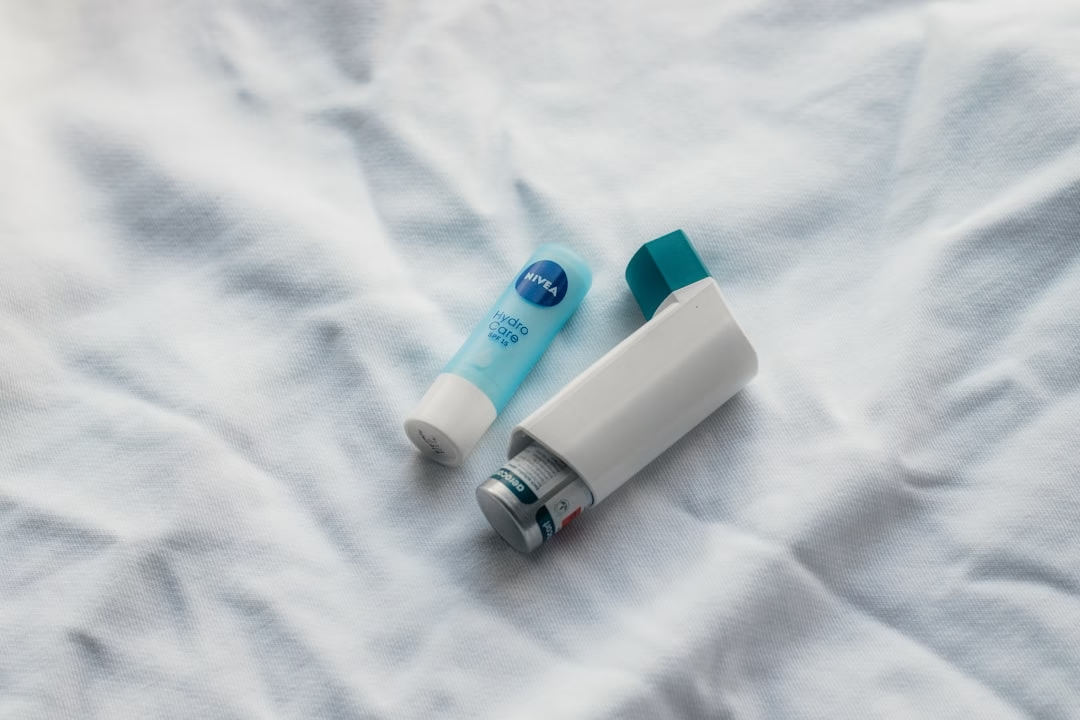
The ResMed Astral 150 ventilator requires specific maintenance protocols for reliable nighttime operation. Similarly, the ResMed AirFit F30i mask needs regular cushion replacement to maintain proper seal and comfort.
Nocturnal Asthma Advantages
Understanding and managing nocturnal asthma provides significant advantages for patients. Primarily, it enables proactive rather than reactive treatment approaches. Consequently, patients can prevent symptoms before they disrupt sleep. This proactive management reduces emergency medication use and healthcare costs.
Additionally, proper management improves long-term respiratory health. Consistent nighttime control prevents the downward spiral of worsening daytime symptoms. Moreover, patients gain better understanding of their personal triggers and patterns. This knowledge empowers them to make informed decisions about their care.
According to international guidelines referenced by the World Health Organization respiratory health guidelines, comprehensive asthma management must address nighttime symptoms. Using appropriate respiratory equipment and products ensures optimal therapeutic outcomes.
Common Management Questions
Patients frequently have questions about managing their nighttime asthma symptoms. Many wonder about the best sleeping positions to reduce symptoms. Typically, elevated head positions help reduce airway pressure and improve breathing. Additionally, side sleeping may be beneficial compared to back sleeping.
Another common question involves medication timing for optimal nighttime coverage. Healthcare providers often recommend taking long-acting medications in the evening. Furthermore, patients ask about environmental controls for bedroom air quality. Air purifiers and humidity control can significantly reduce nighttime triggers.
Many patients inquire about travel considerations with respiratory equipment. The ResMed AirMini compact CPAP addresses these concerns with its portable design. For specific medical advice, patients should contact our respiratory specialists.
Expert Recommendations and Strategies
Medical experts recommend comprehensive strategies for nocturnal asthma management. Firstly, consistent peak flow monitoring helps identify nighttime patterns. Patients should measure levels before bed and upon waking. This data helps healthcare providers adjust medication timing and dosages.
Environmental control is another crucial recommendation. Bedrooms should be maintained as allergen-free zones. Using mattress and pillow covers reduces exposure to dust mites. Additionally, maintaining ideal humidity levels (40-50%) prevents both dry air and mold growth triggers.
The UAE Ministry of Health medical standards emphasize multidisciplinary approaches to asthma care. For severe cases, the ResMed Astral 150 ventilator provides advanced support. Regular follow-ups ensure treatment plans remain effective.
Frequently Asked Questions
What causes nocturnal asthma to worsen at night? Multiple factors contribute, including natural circadian rhythm changes in hormone levels, cooler air temperatures, reclining position, and increased exposure to bedroom allergens.
How can I optimize my bedroom for nocturnal asthma? Use allergen-proof bedding covers, maintain ideal humidity levels, eliminate carpeting if possible, and use HEPA air purifiers to reduce airborne triggers.
When should I take my asthma medications for nighttime coverage? Consult your doctor about timing long-acting bronchodilators and controllers in the evening. Quick-relief inhalers should always be within reach at bedtime.
Can sleep position affect nocturnal asthma? Yes, elevating the head with pillows or a wedge can reduce pressure on the diaphragm and improve breathing. Side sleeping may be better than back sleeping.
Is using a nebulizer before bed helpful for nocturnal asthma? Nebulizers can deliver medication effectively before sleep, but timing should be discussed with your doctor to ensure optimal coverage throughout the night.
What equipment helps manage severe nocturnal asthma? For complex cases, devices like the Inogen One G5 portable oxygen concentrator provide supplemental oxygen, while advanced monitoring systems track nighttime oxygen levels.
Conclusion
Nocturnal asthma presents unique challenges that require specialized management approaches. Understanding the circadian influences on respiratory function helps develop effective treatment strategies. Additionally, optimizing the sleep environment and medication timing significantly improves symptom control.
Proper use of medical equipment enhances nighttime management and sleep quality. From portable concentrators to advanced ventilators, appropriate technology supports comprehensive care. Furthermore, regular monitoring and professional guidance ensure treatments remain effective over time.
For residents in the UAE managing nocturnal asthma, Oxydubai provides expert solutions and support. Our team helps select appropriate respiratory equipment and products for individual needs. Consequently, patients achieve better sleep and improved quality of life through effective symptom management.