

Medical Oxygen Supply Dubai: Reliable Home Healthcare Solutions
Medical Oxygen Supply
Access to reliable medical oxygen is a cornerstone of modern healthcare. This is especially true for individuals managing chronic respiratory conditions at home. A consistent and high-quality Medical Oxygen Supply in Dubai provides patients with the freedom and safety to manage their health outside clinical settings. However, navigating the options for home oxygen therapy requires careful consideration. Additionally, understanding the equipment and regulatory landscape is crucial. Furthermore, choosing the right provider ensures not just equipment quality but also comprehensive support. This guide explores the world of reliable home healthcare solutions centered on medical oxygen.
Understanding Medical Oxygen Supply
Medical-grade oxygen is a prescribed gas used to treat various health conditions. It is essential for patients with low blood oxygen levels. Therefore, a dependable Medical Oxygen Supply becomes a lifeline. Systems range from large stationary concentrators to portable units. Each type serves a specific patient need and lifestyle. For example, stationary concentrators provide high-flow oxygen at home. Meanwhile, portable devices enable mobility and social engagement.
Understanding the technology behind oxygen concentrators is key. These devices draw in ambient air. They then filter out nitrogen to deliver purified oxygen. This process requires reliable equipment and electrical power. Consequently, having a backup plan is a critical part of any oxygen therapy strategy. Patients can explore various respiratory equipment and products to find their ideal setup.
Medical Oxygen Supply Benefits
The primary benefit of a home-based Medical Oxygen Supply is improved quality of life. Patients experience reduced breathlessness and increased energy levels. This allows for better sleep and enhanced physical activity. Moreover, it can significantly reduce hospital readmission rates. Patients gain independence and the comfort of recovering in their own homes.
Another significant advantage is psychological well-being. Knowing that a reliable oxygen source is available reduces anxiety. Family members also gain peace of mind. Specifically, portable systems like the Inogen One G5 portable oxygen concentrator empower users. They can travel, work, and participate in daily life without interruption.
How Medical Oxygen Supply Works
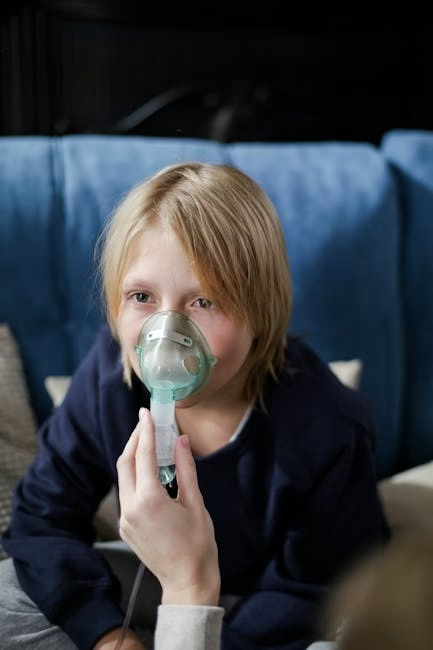
Home oxygen therapy typically utilizes an oxygen concentrator. This device plugs into a standard electrical outlet. It intakes room air and separates the oxygen. Then, it delivers the concentrated gas to the patient via a nasal cannula or mask. The process is continuous and automated for user convenience.
Setup involves more than just the machine. Proper tubing and a comfortable interface are vital. For instance, the ResMed AirFit F30i mask offers a secure seal for effective therapy. Additionally, flow rates must be precisely set as per a physician’s prescription. Regular maintenance ensures consistent performance and safety. Adherence to World Health Organization respiratory health guidelines is recommended for best practices.
Best Medical Oxygen Supply Practices
Adhering to best practices ensures the efficacy and safety of oxygen therapy. First, always follow the prescribed flow rate exactly. Never adjust it without consulting your doctor. Second, maintain a safe environment. Oxygen supports combustion, so keep tanks and concentrators away from open flames and heat sources.
Routine equipment cleaning is non-negotiable. This prevents infections and ensures optimal function. Specifically, nasal cannulas should be replaced regularly. Furthermore, having a backup power solution, like a battery or generator, is a critical best practice. This prepares you for unexpected power outages. You can find reliable backup equipment among our respiratory equipment and products.
Medical Oxygen Supply Implementation
Implementing a home oxygen system starts with a medical assessment. A doctor will determine if you need oxygen therapy and prescribe the correct flow. Next, you select a reputable provider. The provider will then help you choose the right equipment, such as a stationary concentrator or a portable unit like the Inogen One G5.
Professional installation and patient education are the final steps. A technician will set up the equipment and demonstrate its use. They will also explain safety procedures. Moreover, they will guide you on how to use complementary devices, such as a ResMed AirSense 11 CPAP machine if needed for sleep apnea. Compliance with Dubai Health Authority healthcare guidelines is ensured throughout this process.
Advanced Medical Oxygen Supply Strategies
Advanced strategies involve integrating oxygen therapy with other respiratory care. For patients with complex needs, devices like the ResMed Astral 150 ventilator offer life-sustaining support. These systems provide more sophisticated modes of ventilation alongside oxygen delivery. They are designed for seamless use in a home environment.
Another advanced strategy is the use of portable, ultra-lightweight concentrators. These devices support an active lifestyle without compromising therapy. For frequent travelers, a compact device like the ResMed AirMini compact CPAP can be part of a comprehensive travel kit. Telehealth monitoring is also an emerging advanced strategy. It allows remote tracking of patient usage and oxygen saturation levels.
Medical Oxygen Supply Success Tips
Success in long-term oxygen therapy hinges on consistency and support. First, use your oxygen for the recommended number of hours per day. Do not skip sessions, even if you feel well. Second, keep your equipment well-maintained. Schedule regular servicing as recommended by the manufacturer or your provider.
Stay connected with your healthcare team. Report any changes in your condition promptly. Additionally, join a support group if possible. Sharing experiences with others can be incredibly motivating. Finally, always have a plan for emergencies. This includes knowing who to contact our respiratory specialists for immediate assistance. Understanding UAE Ministry of Health medical standards can also empower you as a patient.
Future of Medical Oxygen Supply
The future of home oxygen therapy is bright with technological innovation. We can expect even smaller, quieter, and more efficient concentrators. Battery technology will improve, offering longer life and faster charging. Furthermore, integration with smart home systems and IoT devices will allow for better monitoring and automated alerts.
Telemedicine will play a larger role in managing respiratory patients at home. Consequently, real-time data transmission to clinicians will become standard. This will enable proactive adjustments to therapy. Regulatory frameworks, guided by bodies like the Health Authority Abu Dhabi regulations and UAE government healthcare regulations, will evolve to support these advancements, ensuring patient safety and care quality.
Frequently Asked Questions
How do I know if I need a Medical Oxygen Supply at home?
A doctor will diagnose the need based on tests measuring your blood oxygen levels, especially if you have a chronic condition like COPD. They will then prescribe the specific flow rate for your home Medical Oxygen Supply.
What is the difference between an oxygen concentrator and an oxygen tank?
Concentrators electronically filter oxygen from the air and require electricity, while tanks contain a finite amount of compressed oxygen gas. Concentrators provide an unlimited supply as long as power is available, making them a core part of a continuous home Medical Oxygen Supply.
Can I travel with my oxygen equipment?
Yes, with portable oxygen concentrators (POCs) like the Inogen One G5. These are FAA-approved for air travel and are battery-operated, allowing you to maintain your Medical Oxygen Supply while on the move. Always check with your airline and destination regulations beforehand.
How often does the equipment need maintenance?
Daily cleaning of nasal cannulas and weekly filter checks are essential. Professional servicing for your Medical Oxygen Supply equipment, like concentrators, is typically recommended every 6-12 months, depending on usage and the manufacturer’s guidelines.
What safety precautions are necessary with home oxygen?
The most critical rule is to keep oxygen away from open flames and sparks. Do not smoke near oxygen equipment. Ensure good ventilation and post “Oxygen in Use” signs. These precautions are vital for the safe operation of any Medical Oxygen Supply in your home.
Is a prescription required for medical oxygen?
Yes, absolutely. Medical oxygen is a prescribed drug. A valid prescription from a licensed physician is mandatory to set up a home Medical Oxygen Supply. This ensures you receive the correct dosage and equipment for your specific medical condition.
Conclusion
A reliable Medical Oxygen Supply is transformative for patients with respiratory challenges. It empowers individuals to live fuller, more active lives from the comfort of their homes. By understanding the systems, adhering to best practices, and partnering with a dedicated provider, you can ensure a safe and effective therapy journey. The future promises even greater integration and convenience for home healthcare. Therefore, taking the step towards a managed home oxygen solution is an investment in long-term well-being and independence. Do not hesitate to contact our respiratory specialists today to discuss your needs and explore the best options for your health.

